DJs work in some of the loudest environments in music. From crowded clubs and festivals to weddings, bars, and live events, DJs need to hear their music clearly while competing with powerful speakers and surrounding crowd noise. This raises an important question: Do DJs need noise-cancelling headphones?
The short answer is not necessarily. Noise-cancelling headphones can be useful in certain situations, but traditional DJ headphones are often a better choice for live mixing. DJs typically need headphones that provide strong passive isolation, accurate sound reproduction, high volume capability and a secure fit rather than relying primarily on active noise cancellation (ANC).
Understanding the difference between noise-cancelling headphones and professional DJ headphones can help you choose the right equipment for your setup.
What Are Noise-Cancelling Headphones?
Noise-cancelling headphones use technology designed to reduce unwanted ambient sounds. Active noise cancellation uses microphones to detect external noise and generates an opposing signal to reduce certain sounds reaching your ears.
ANC is particularly effective against consistent, low-frequency sounds such as:
- Air-conditioning systems
- Aircraft engines
- Train and road noise
- Office equipment
- Background hum
However, DJ environments are different. Clubs and events contain unpredictable sounds, including music, voices, crowd noise and sudden changes in volume. ANC technology may not eliminate these sounds as effectively as it reduces continuous background noise.
For DJs, the design and acoustic isolation of the headphones can therefore be more important than ANC alone.
Do DJs Need Noise-Cancelling Headphones?
Most DJs do not need active noise-cancelling headphones for live DJing.
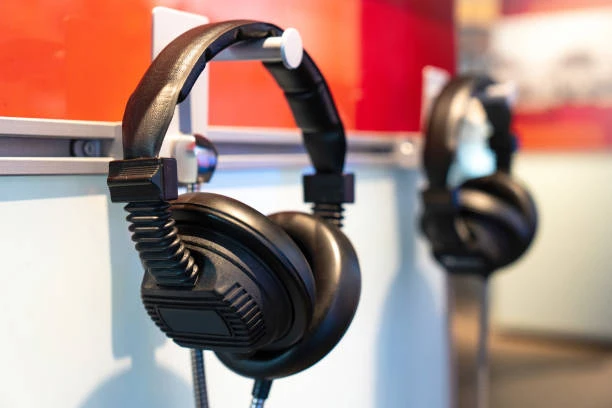
Professional DJs generally use closed-back headphones that provide passive noise isolation. The closed ear cups help block some external sound naturally while allowing the DJ to monitor the music through the headphones.
This is important when cueing a track. A DJ may need to listen to a track in their headphones while the audience hears another track through the main sound system.
Rather than completely eliminating the surrounding sound, good DJ headphones should allow the DJ to maintain awareness of the environment while providing enough isolation to hear the cue track clearly.
Passive Noise Isolation vs Active Noise Cancellation
The two technologies are often confused, but they work differently.
Passive Noise Isolation
Passive isolation comes from the physical construction of the headphones. Closed ear cups and cushioning create a barrier between the listener's ears and the surrounding environment.
This is particularly useful for DJs because it works continuously without electronic processing.
Active Noise Cancellation
ANC uses microphones and electronic processing to reduce external noise. It can be useful when travelling or working in quieter environments, but it is not necessarily essential for mixing music in a loud club.
For live DJing, strong passive isolation is usually more important than ANC.
Why DJ Headphones Are Different
DJ headphones are designed specifically for monitoring and cueing music. They need to perform under conditions that are very different from ordinary listening.
A good pair of DJ headphones should offer:
Strong Sound Isolation
DJs need to hear their cue track despite the sound coming from the venue's speakers. Closed-back headphones with good ear-cup seals can help reduce external noise.
Powerful and Clear Audio
A DJ needs to distinguish basslines, vocals, percussion, and transitions quickly. Headphones should provide enough output and clarity to make these elements easy to identify.
Secure Fit
DJs move around while working. Headphones that slip off or become uncomfortable can interrupt a performance.
Durable Construction
DJ equipment is frequently transported between venues. Hinges, cables, ear cups, and headbands can experience considerable wear, so durability is an important consideration.
Comfortable Ear Pads
A DJ may wear headphones for several hours. Comfortable padding can reduce pressure and fatigue during long sets.
Are Noise-Cancelling Headphones Good for DJing?
Noise-cancelling headphones can be used for DJing, but there are some limitations.
Many consumer ANC headphones are designed primarily for listening rather than professional DJ monitoring. Their sound profile may be tuned for general music enjoyment rather than accurate cueing and mixing.
Some ANC headphones also introduce electronic processing that can affect how the audio sounds. Depending on the model, latency or changes in sound reproduction may also be undesirable in a professional DJ environment.
This doesn't mean ANC headphones are unsuitable for every DJ. They can be useful for DJs who travel frequently, produce music, or want one pair of headphones for both professional and everyday use.
However, if your primary purpose is live DJing, dedicated DJ headphones are generally the better starting point.
When Can DJs Benefit From Noise-Cancelling Headphones?
There are several situations where ANC can be particularly useful.
Travelling to Gigs
DJs who frequently travel by plane, train or bus can benefit from ANC headphones because they can reduce continuous travel noise.
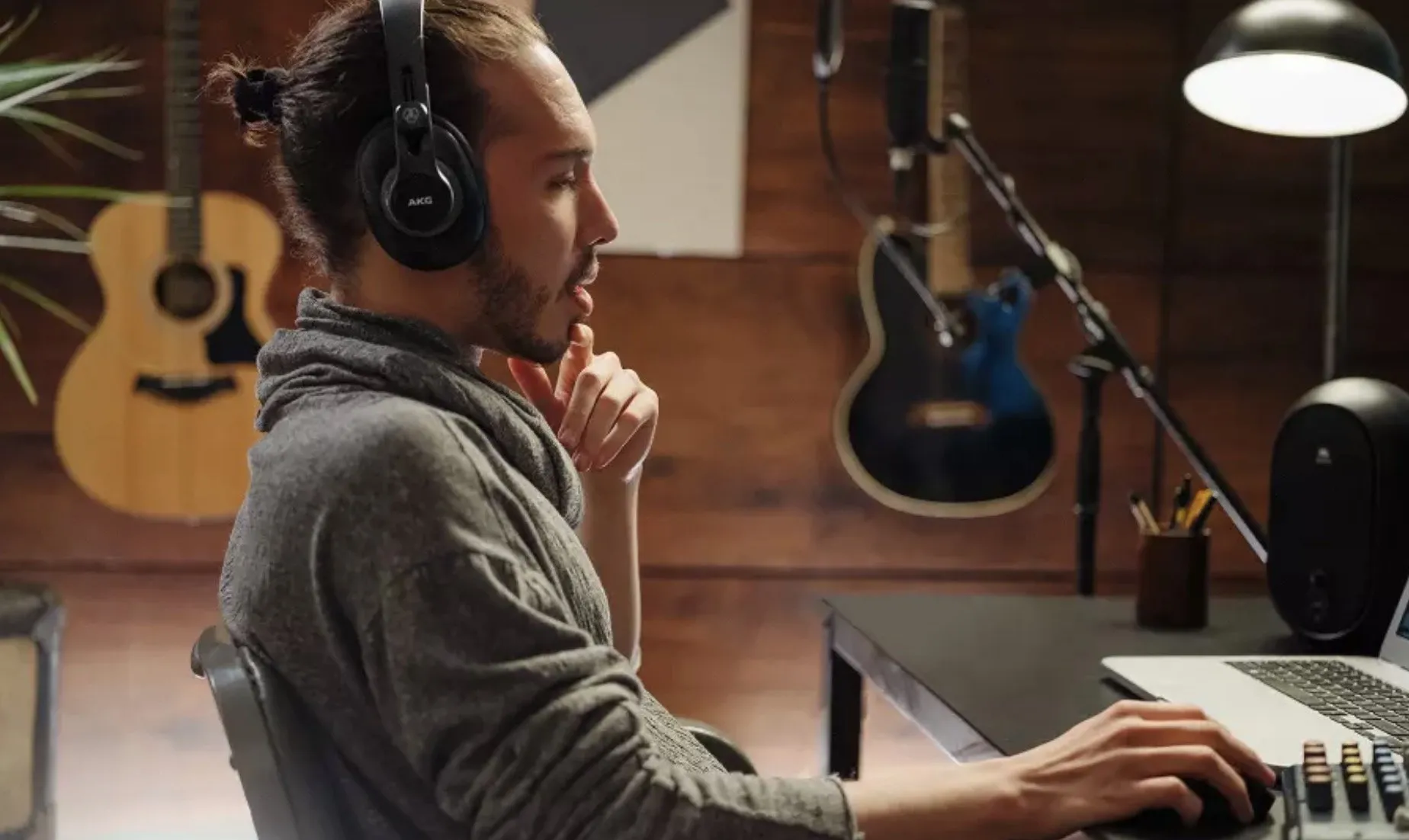
Music Production
When producing music away from a studio, ANC headphones may help reduce environmental distractions. However, producers should still consider whether the headphones provide an accurate enough sound profile for mixing.
Working in Noisy Environments
If you're preparing playlists, organising music libraries or practising in a noisy environment, ANC can make it easier to concentrate.
General Everyday Listening
If you want headphones that can be used for DJing, travel and casual listening, an ANC model may provide greater versatility.
When Should DJs Avoid Noise-Cancelling Headphones?
ANC may not be the best choice when you're performing live and need immediate, predictable monitoring.
For example, a DJ may need to hear subtle timing differences between tracks, monitor the beat or quickly identify a cue point. Dedicated wired DJ headphones are designed around these requirements.
Another consideration is battery life. Many ANC headphones rely on batteries for their noise-cancelling functionality. A dead battery can become an unnecessary problem during a performance.
For professional gigs, many DJs therefore prefer simple, robust wired headphones that do not depend on battery-powered ANC.
What Should DJs Look for Instead?
If you're buying headphones specifically for DJing, consider these features before focusing on noise cancellation:
Closed-back construction: Helps provide passive isolation in loud environments.
Accurate sound: Allows you to hear vocals, bass, beats and transitions clearly.
High power handling: Useful when monitoring in loud environments.
Swivel or rotating ear cups: Can make one-ear monitoring easier.
Replaceable cable: Useful for DJs who frequently travel between venues.
Comfortable padding: Important for extended sets.
Durability: Essential for regular professional use.
Secure fit: Prevents headphones from moving while performing.
Do DJs Need Noise-Cancelling Headphones for Clubs?
For club DJs, dedicated closed-back DJ headphones are generally more appropriate than consumer ANC headphones.
Clubs can produce very high sound levels, and DJs need to monitor tracks accurately while working close to powerful speakers. Passive isolation helps reduce external sound without depending on electronic noise cancellation.
Some professional headphones combine excellent passive isolation with advanced acoustic engineering, providing the DJ with a clear monitoring signal without requiring ANC.
Can Noise-Cancelling Headphones Protect a DJ's Hearing?
It's important not to confuse noise cancellation with hearing protection.
ANC can reduce some environmental sounds, but noise-cancelling headphones should not automatically be considered hearing protection. DJs working around high sound levels should follow appropriate hearing-safety practices and consider professionally designed hearing protection where necessary.
Turning up headphone volume to overcome loud surroundings can also increase the risk of hearing damage. Good isolation can help a DJ monitor audio without needing unnecessarily high headphone levels.
Final Verdict: Do DJs Need Noise-Cancelling Headphones?
So, do DJs need noise-cancelling headphones?
For most DJs, the answer is no—not for live DJing. Strong passive isolation, accurate sound, durability, comfort and a secure fit are usually more important than active noise cancellation.
Noise-cancelling headphones can still be valuable for DJs who travel frequently, produce music, practise in noisy environments or want versatile everyday headphones.
If your main goal is performing in clubs, festivals, weddings or other live environments, start by looking for professional closed-back DJ headphones with strong passive isolation. ANC can be an additional feature, but it shouldn't be the deciding factor.
Ultimately, the best headphones for a DJ are the ones that allow you to hear your cue track clearly, monitor your mix accurately and work comfortably throughout your entire set.
Frequently Asked Questions
Are noise-cancelling headphones good for DJs?
They can be useful, particularly for travel and general listening, but dedicated DJ headphones with strong passive isolation are usually better suited to live mixing.
Should DJ headphones be noise cancelling?
They don't need to have active noise cancellation. Closed-back headphones with good passive isolation are generally sufficient for most DJ environments.
Are wired or wireless headphones better for DJs?
Wired headphones are generally preferred for live DJing because they provide a direct connection and avoid battery-related problems. Wireless headphones can be useful for casual listening and travel.
Why do DJs use closed-back headphones?
Closed-back headphones help isolate the DJ from surrounding sound and reduce sound leakage, making it easier to monitor and cue tracks in loud environments.
Can DJs use regular headphones?
Yes, but regular consumer headphones may not provide the isolation, durability, sound characteristics or secure fit needed for professional DJing. Dedicated DJ headphones are generally designed specifically for live monitoring.
What is more important than noise cancellation for DJ headphones?
Prioritise passive isolation, sound clarity, comfort, durability, secure fit and reliable connectivity. These features are usually more relevant to live DJ performance than ANC.
























Sign in to leave a comment.