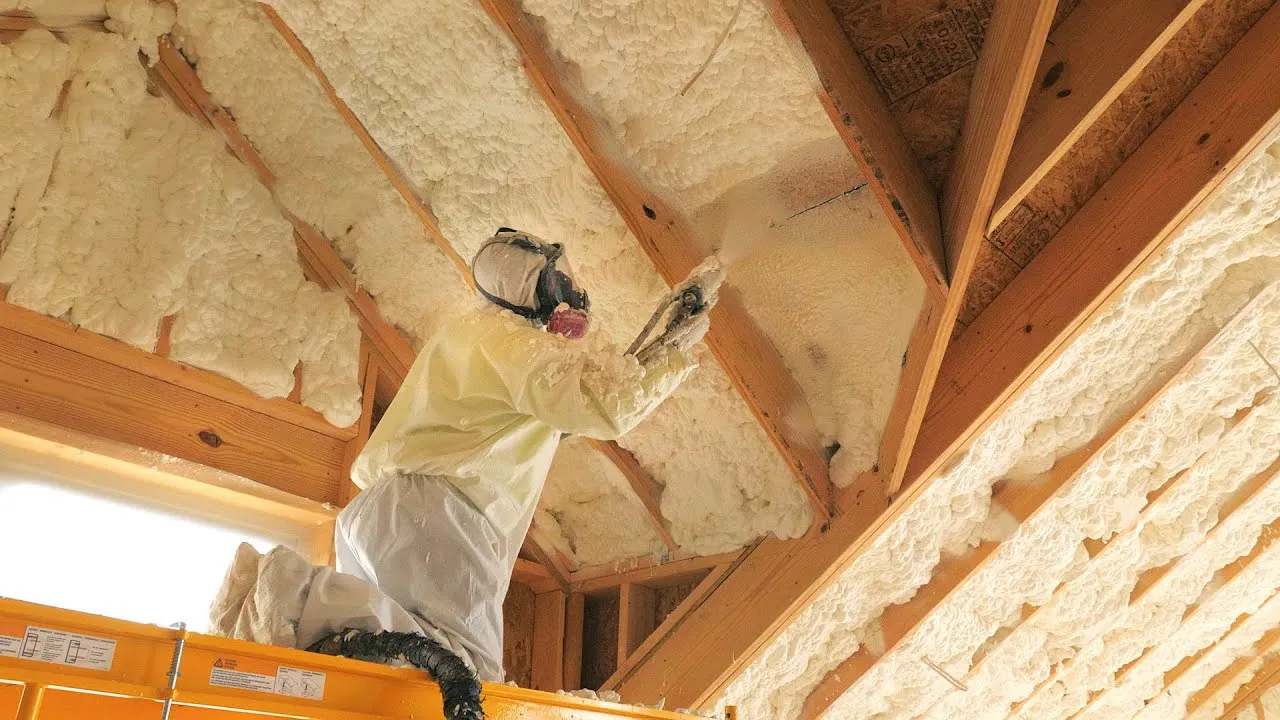

High-performance building insulation requires a material that acts as a thermal, air, and moisture barrier simultaneously. Selecting a professional closed-cell spray foam contractor ensures that a structure meets these rigorous standards. Unlike traditional fiberglass or cellulose, this specialized foam expands into a dense, rigid plastic that seals every gap and crack. This process creates an airtight envelope that significantly reduces energy loss and prevents moisture infiltration, making it the preferred choice for modern construction projects that prioritize efficiency and longevity.
Achieving these results depends on the precision of the application and the quality of the chemical mixture. Industry experts note that properly installed high-density foam can increase the structural strength of a wall by up to 300 percent. This article provides a detailed look at why this material is the gold standard for insulation and how to identify a provider capable of delivering top-tier results for residential and commercial projects.
Performance Characteristics of High-Density Insulation
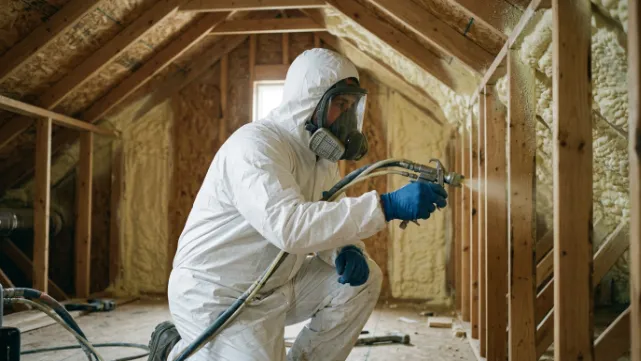
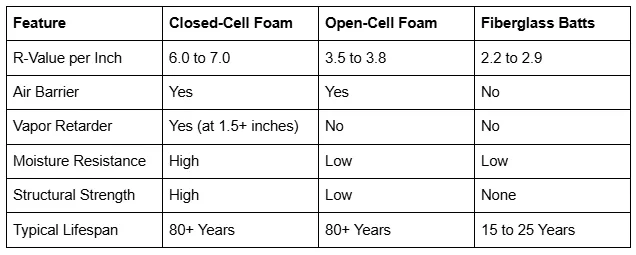
The primary reason builders and property owners seek out closed-cell spray foam services is the high R-value per inch. While open-cell foam offers an R-value of roughly 3.5 to 3.8 per inch, closed-cell versions typically provide between 6.0 and 7.0 per inch. This density allows for maximum thermal resistance in thinner wall cavities, which is particularly useful in areas with limited space or where high-performance energy codes are strictly enforced.
Because the cells in this foam are closed and packed tightly together, they are filled with a gas that helps the foam act as a highly efficient insulator. This structure also prevents water from soaking into the material. In flood-prone areas or regions with high humidity, this moisture resistance is a major advantage. It does not support mold growth and acts as a secondary layer of protection against driving rain or plumbing leaks.
Economic and Structural Impact of Professional Installation
Property owners often see a significant return on their investment through reduced monthly utility bills. Data from energy audits suggests that structures using an airtight seal can save between 15% and 20% on heating and cooling costs compared to buildings using traditional insulation methods. These savings continue for the life of the building because the material does not sag, settle, or degrade over time.
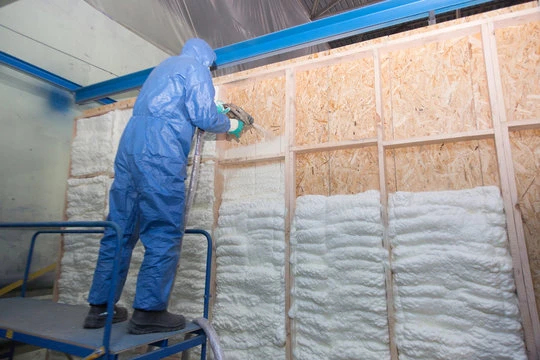
Beyond energy, the structural benefits are substantial. When a closed-cell spray foam company applies the product to the wall or roof cavities, the foam adheres to the studs and sheathing. Once it hardens, it creates a monolithic bond that helps the building resist "racking" or shearing forces during high winds or seismic events.
Bonus Tip: When evaluating a site, check the substrate temperature. Professional teams use infrared thermometers to ensure the surface is within the correct range for the foam to bond properly. If the surface is too cold or too damp, the foam might peel away later.
Comparison of Common Insulation Materials
The following table highlights the technical differences between the most common insulation types used in modern construction.
Regional and Climate Considerations
Climate plays a massive role in choosing the right insulation strategy. In northern regions where winters are harsh, the high R-value of closed-cell foam prevents heat from escaping through the roof and walls. It also helps prevent ice dams by keeping the roof deck at a consistent temperature. In coastal or humid southern regions, the vapor-retardant properties are even more important.
A qualified closed-cell spray foam contractor understands that in humid climates, the "dew point" can occur within the wall assembly. By using a closed-cell product, they move that dew point to the exterior of the foam, which keeps the interior wall components dry. This prevents the wood rot and indoor air quality issues that often plague buildings in the Southeast.
Things to Consider Before Making a Decision
Before hiring a team for a project, several factors must be weighed to ensure the building receives the best possible treatment.
- Ventilation Requirements: Because this material creates an airtight seal, the building will no longer "breathe" through leaks in the walls. Owners must ensure their HVAC system includes mechanical ventilation to bring in fresh air.
- Curing Times: The chemicals used in the process require time to off-gas. Most teams recommend staying out of the building for 24 hours after the application is finished.
- Access and Preparation: The area must be clear of debris, and any surfaces that should not be coated (like windows or finished floors) need to be covered in plastic.
- Substrate Compatibility: While foam sticks to most building materials, it does not adhere well to oily surfaces or certain types of plastic. A site inspection is necessary to confirm the foam will bond correctly.
The Role of Expert Knowledge in Application
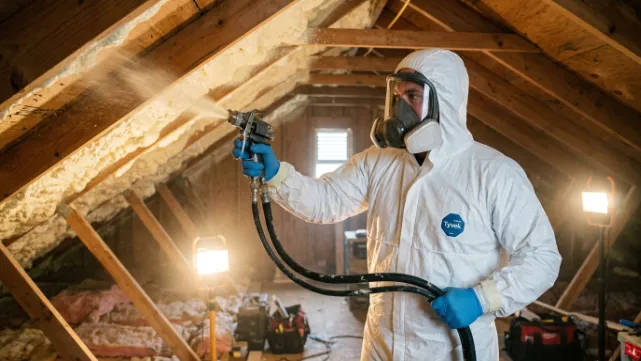
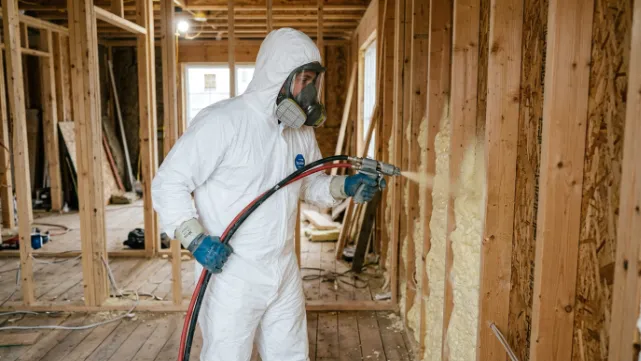
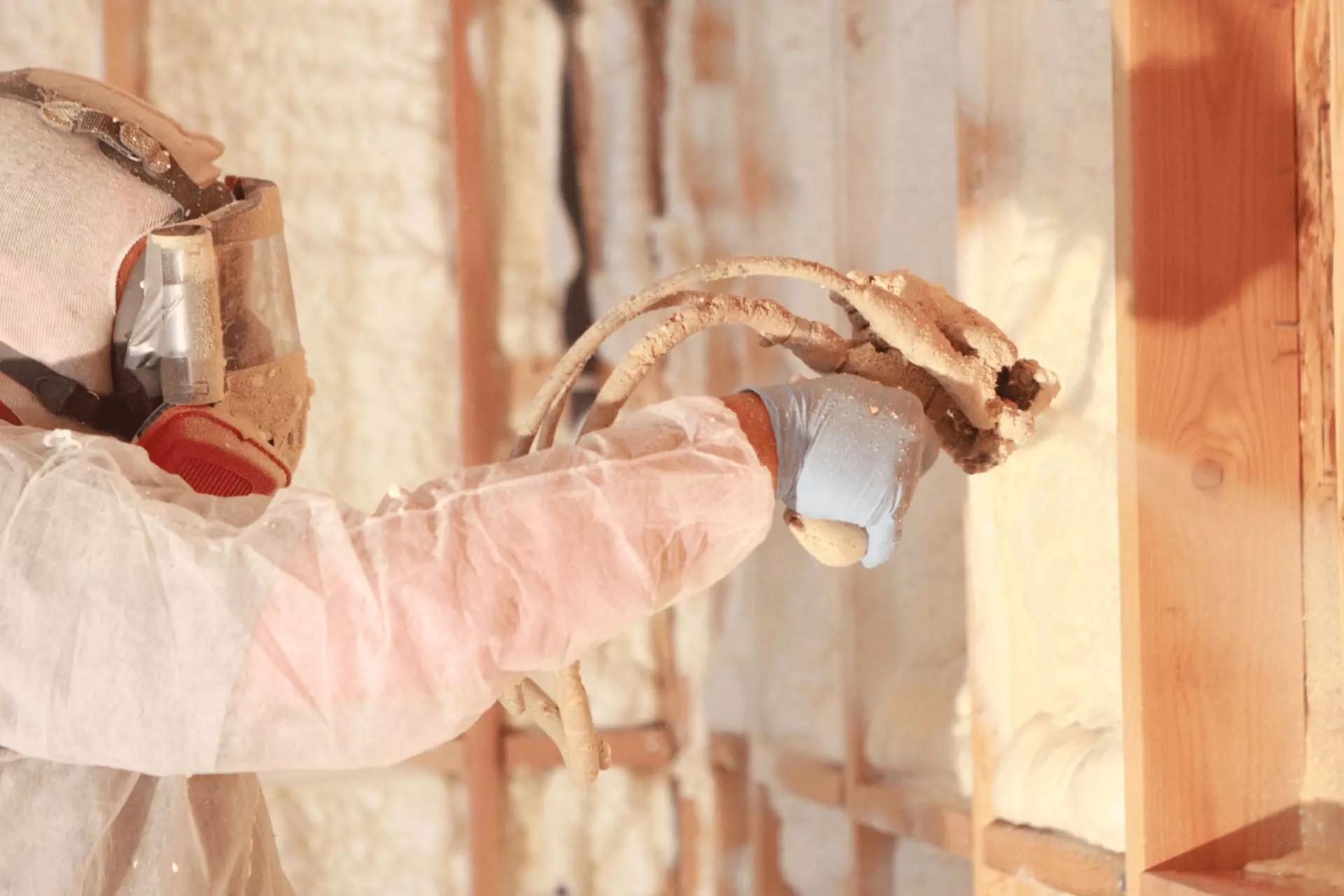
Applying spray foam is a chemical process that happens in real-time on the job site. The two parts of the foam (A-side and B-side) must be heated to specific temperatures and pressurized equally to create the right reaction. If the mix is slightly off, the foam may not reach its full R-value or could have an unpleasant odor.
This is why working with closed-cell spray foam experts is necessary. These professionals monitor their gauges constantly and adjust their spray technique based on the humidity and wind speed of the day. They also understand the "lift" thickness. Spraying too much foam in a single pass can cause it to overheat, which can lead to fires or charred foam that lacks insulating properties.
Bonus Tip: Ask to see the "daily logs" or "temperature logs" from previous jobs. Reliable providers keep meticulous records of chemical temperatures and pressures to ensure every square inch of foam meets the manufacturer's specifications.
Common Myths About Spray Foam
There are several misconceptions about this technology that can lead to confusion during the planning phase. One common myth is that spray foam traps moisture and causes roof rot. In reality, roof rot is caused by existing leaks or poor ventilation in buildings using permeable insulation. Since closed-cell foam is a vapor retarder, it actually prevents warm, moist air from reaching the cold roof deck, which stops condensation before it can start.
Another myth is that the foam is toxic once it has cured. Modern foam formulations have evolved significantly. Once the initial 24-hour curing period is over, the foam is inert and does not release harmful chemicals into the living space. In many cases, it actually improves indoor air quality by blocking outdoor pollutants, dust, and pollen from entering through gaps in the building envelope.
Questions People Often Ask
Does closed-cell spray foam increase the resale value of a home?
Yes, many buyers view high-performance insulation as a premium feature. Reduced energy costs and a more comfortable interior environment are strong selling points. Documentation of the installation and energy savings can be a helpful asset during a home sale.
Can this foam be used in a basement or crawlspace?
It is an excellent choice for these areas. Since it is water-resistant, it can be applied directly to concrete or masonry walls to prevent moisture from seeping into the basement. It also helps keep these lower levels of the home much warmer during the winter months.
Is the installation process noisy?
The equipment used, such as the air compressors and the generator in the spray rig, does produce some noise. However, the actual application inside the house is relatively quiet. The most significant disruption is usually the presence of the large truck and the hoses running into the building.
How long does the insulation last?
When applied correctly by a professional closed cell spray foam company, the material is designed to last the entire lifespan of the building. It does not settle like blown-in insulation or sag like fiberglass batts, meaning the R-value remains consistent for decades.
Will the foam damage electrical wiring?
No, the foam is safe to use around standard electrical wiring. However, if a homeowner plans to add more wiring later, it is much harder to "fish" wires through rigid foam than through soft fiberglass. It is best to have all electrical and plumbing work finished before the foam is applied.
Final Thoughts for Property Owners
Investing in high-performance insulation is a long-term strategy that pays off in comfort, durability, and energy savings. While the initial cost of closed-cell foam is higher than that of other options, the multi-layered benefits of air sealing and moisture protection make it the most effective solution for modern building standards. Property owners should focus on the quality of the application and the experience of the crew to ensure the building envelope is truly airtight. By evaluating the specific needs of the local climate and the structural goals of the project, owners can make an informed choice that protects their investment for years to come.
Professional Insulation Solutions
For those looking to improve their property's energy efficiency, Raleigh Excel Spray Foam Insulation provides specialized services tailored to high-performance building needs. They offer expert installation of both residential and commercial insulation, ensuring every project meets strict quality standards. Their team can be reached at (919) 301-9435 or via email at [email protected] to discuss specific project requirements. Contacting them is an excellent first step for anyone seeking a reliable closed cell spray foam contractor to handle complex insulation challenges.




























Sign in to leave a comment.