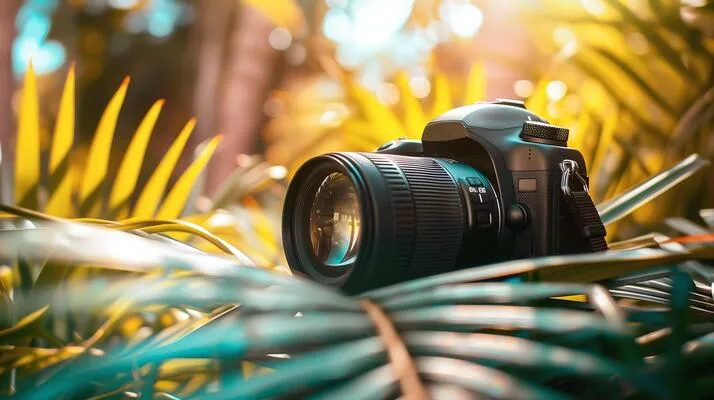

Best DSLR Cameras for Professional Photography: Feature Comparison
Professional photography demands equipment that delivers exceptional image quality, reliability, and versatility across diverse shooting scenarios. While mirrorless cameras have gained significant market share, DSLR cameras remain the preferred choice for many professional photographers who value their robust build quality, extensive lens ecosystems, and proven track record in demanding environments. This comprehensive guide examines the leading DSLR cameras that continue to set industry standards for professional work, including studio services and soona alternatives.
Understanding What Makes a DSLR Professional-Grade
The distinction between consumer and professional DSLR cameras extends far beyond megapixel counts. Professional-grade DSLRs incorporate weather-sealed magnesium alloy bodies that withstand harsh shooting conditions, from dusty deserts to humid rainforests. These cameras feature larger sensors that capture more light and detail, advanced autofocus systems with numerous focus points for tracking fast-moving subjects, and higher continuous shooting speeds essential for capturing decisive moments in sports, wildlife, and event photography.
Professional DSLRs also offer dual memory card slots for backup security, extended battery life that supports full-day shoots, and customizable controls that allow photographers to adjust settings without removing their eye from the viewfinder. The optical viewfinder in DSLRs provides a direct, lag-free view through the lens, which many professionals prefer for its natural viewing experience and ability to conserve battery power during extended shooting sessions.
Top DSLR Cameras for Professional Photography
Canon EOS 5D Mark IV: The Industry Workhorse
The Canon EOS 5D Mark IV has established itself as a reliable choice for wedding photographers, commercial shooters, and photojournalists worldwide. This full-frame DSLR houses a 30.4-megapixel sensor that balances resolution with low-light performance, making it versatile enough for both studio portraits and challenging available-light situations.
The 5D Mark IV's 61-point autofocus system, with 41 cross-type sensors, provides accurate subject tracking across the frame. Its Dual Pixel CMOS AF technology enhances live view shooting and video recording, delivering smooth focus transitions that rival dedicated video cameras. The camera captures up to seven frames per second in continuous shooting mode, adequate for most professional applications except extreme action photography.
Canon's extensive EF lens ecosystem gives 5D Mark IV users access to over 70 native lenses, ranging from ultra-wide angles to super-telephoto options. This vast selection includes specialized tilt-shift lenses for architectural photography and macro lenses for close-up work. The camera's built-in GPS and WiFi facilitate location tagging and wireless image transfer, streamlining workflow for photographers working on tight deadlines.
Nikon D850: Resolution Meets Speed
The Nikon D850 represents a masterful balance between high resolution and fast performance. Its 45.7-megapixel backside-illuminated sensor captures extraordinary detail while maintaining impressive ISO performance up to 25,600, expandable to 102,400 for extreme low-light situations. This resolution advantage makes the D850 particularly appealing for landscape photographers, fashion shooters, and anyone requiring large-format prints or extensive cropping flexibility.
Despite its high megapixel count, the D850 achieves seven frames per second in continuous shooting mode, increasing to nine frames per second with the optional battery grip. This speed, combined with Nikon's sophisticated 153-point autofocus system, makes the camera surprisingly capable for wildlife and sports photography where such high resolution cameras typically struggle.
The D850's battery life exceeds 1,840 shots per charge, significantly outperforming most competitors and reducing the need to carry multiple batteries during extended shoots. Its tilting touchscreen LCD enhances usability when shooting from unusual angles, while focus stacking and focus shift shooting modes cater to specialized technical photography applications.
Canon EOS-1D X Mark III: Built for Action
For photographers who prioritize speed and reliability above all else, the Canon EOS-1D X Mark III delivers uncompromising performance. This flagship DSLR features a 20.1-megapixel full-frame sensor optimized for speed rather than resolution, enabling continuous shooting at 16 frames per second with the mechanical shutter and up to 20 frames per second in live view mode.
The camera's 191-point autofocus system includes 155 cross-type sensors that provide exceptional subject tracking, even for erratically moving subjects like footballers or birds in flight. Deep learning technology enhances the camera's ability to recognize and track human subjects, maintaining focus on faces and eyes even when subjects turn away from the camera.
Professional sports and wildlife photographers appreciate the 1D X Mark III's robust build quality, which undergoes rigorous testing to ensure reliability in extreme conditions. The camera's intelligent viewfinder displays autofocus information without obscuring the scene, allowing photographers to maintain awareness of their subjects while monitoring focus performance. Its dual CFexpress card slots provide fast write speeds essential for handling the camera's high-speed continuous shooting bursts.
Nikon D6: The Ultimate Sports Photography Tool
Nikon's flagship D6 targets professional sports photographers and photojournalists who demand absolute reliability and cutting-edge autofocus performance. The camera features a 20.8-megapixel sensor that prioritizes low-light performance and processing speed over raw resolution, ensuring clean images even in poorly lit indoor sports arenas.
The D6's autofocus system represents the pinnacle of DSLR focusing technology, with 105 selectable focus points that all function as cross-type sensors. This comprehensive coverage extends across the frame, providing consistent focusing performance regardless of subject position. The camera's subject-tracking algorithms have been refined through years of professional feedback, resulting in tenacious focus that rarely loses subjects even in complex scenes with multiple moving elements.
Battery life in the D6 exceeds 3,580 shots per charge, effectively eliminating battery anxiety during marathon shooting sessions typical of sporting events or news coverage. The camera's network connectivity features include built-in GPS, WiFi, and wired LAN connection options that facilitate rapid image transmission to editors and clients from the sidelines or press box.
Essential Features to Consider
Sensor Size and Resolution
Full-frame sensors measuring 36mm x 24mm provide superior low-light performance, shallower depth of field control, and better dynamic range compared to smaller APS-C sensors. Professional photographers typically prefer full-frame cameras for their versatility across different genres, though APS-C cameras can offer advantages in wildlife and sports photography where the crop factor effectively extends telephoto reach.
Resolution requirements vary significantly by application. Wedding and event photographers generally find 24 to 30 megapixels sufficient for their needs, while commercial and landscape photographers often benefit from 40 megapixels or higher for maximum detail and cropping flexibility. Higher resolution sensors demand more from lenses, storage, and computer systems, so professionals must balance resolution desires with practical workflow considerations.
Autofocus Performance
Professional autofocus systems must track subjects accurately across various scenarios, from predictable movements to chaotic action. The number of focus points matters less than their coverage area and sensitivity in low light. Cross-type sensors, which detect contrast in both horizontal and vertical directions, provide more reliable focusing than single-line sensors.
Modern professional DSLRs employ sophisticated tracking algorithms that predict subject movement and maintain focus even when subjects briefly leave the selected focus point. Some systems incorporate color and pattern recognition to distinguish the intended subject from distracting background elements. Photographers should evaluate autofocus performance under conditions similar to their typical shooting scenarios, as performance can vary significantly between well-lit studios and dim concert halls.
Build Quality and Weather Sealing
Professional photographers cannot allow equipment failure to prevent them from completing assignments. Weather-sealed construction with gaskets around buttons, dials, and ports protects internal components from moisture and dust infiltration. Magnesium alloy chassis provides strength without excessive weight, while shutter mechanisms rated for hundreds of thousands of actuations ensure longevity under intensive use.
The physical layout of controls affects shooting efficiency, particularly during fast-paced assignments. Professional DSLRs position frequently used controls within easy reach, allowing photographers to adjust exposure parameters without moving their eye from the viewfinder. Customizable buttons enable photographers to configure cameras according to their specific working methods, increasing operational speed.
Lens Ecosystem Considerations
A camera body represents just one component of a comprehensive imaging system. The available lens selection often proves more important than camera specifications for achieving specific creative goals. Canon and Nikon offer the most extensive native DSLR lens catalogs, including specialized optics that address niche applications.
Third-party manufacturers like Sigma, Tamron, and Tokina provide high-quality alternatives that often deliver comparable optical performance at lower prices. For instance, photographers researching options might discover competitive pricing when checking the sigma 16mm 1.4 price in pakistan for ultra-wide photography needs. The used lens market also offers substantial value, as professional-grade lenses retain their optical quality for decades with proper care.
Making the Right Choice for Your Photography
Selecting a professional DSLR requires honest assessment of your actual shooting requirements rather than pursuing specifications that sound impressive but offer little practical benefit. Portrait photographers who work primarily in controlled studio environments have vastly different needs than wildlife photographers stalking subjects in unpredictable conditions.
Consider creating a prioritized list of must-have features based on your most common assignments. If you photograph fast-moving sports, autofocus performance and continuous shooting speed should rank higher than resolution. Landscape photographers might prioritize dynamic range and resolution over autofocus speed. Wedding photographers often value reliable low-light performance and dual card slots above maximum resolution or shooting speed.
Budget considerations extend beyond the initial camera purchase to include lenses, lighting equipment, memory cards, batteries, and computer upgrades necessary to process larger image files. Starting with a slightly less expensive camera body while investing in superior lenses often produces better results than pairing a flagship camera with mediocre optics.
Where to Find Professional Photography Equipment
Purchasing professional camera equipment represents a significant investment that demands careful consideration of both product specifications and retailer reputation. Photographers benefit from establishing relationships with knowledgeable dealers who can provide expert advice, demonstration opportunities, and reliable after-sales support.
Many professionals prefer visiting established retailers where they can physically handle equipment before purchase, examining build quality and evaluating ergonomics with their own hands. For those seeking comprehensive selections and competitive pricing, exploring options through a reputable camera shop online can provide access to professional equipment with convenient delivery options. Local photography communities in major cities often develop around trusted equipment suppliers, such as those found in the camera market lahore Hope Enterprises, where photographers can compare equipment and consult with experienced staff who understand professional requirements.
Authorized dealers provide warranty coverage and access to manufacturer service networks, ensuring proper support if equipment requires repair or replacement. While gray market imports may offer lower prices, they typically lack manufacturer warranties and can create complications when seeking professional service. Professional photographers cannot afford extended equipment downtime, making authorized dealer support a valuable consideration beyond initial purchase price.
Maximizing Your DSLR Investment
Professional cameras deliver their full potential only when paired with proper technique and workflow optimization. Investing time in mastering your camera's autofocus system, custom settings, and advanced features pays dividends through improved image quality and increased shooting efficiency. Many professionals fail to utilize sophisticated features like autofocus fine-tuning, custom shooting modes, and button customization that could significantly enhance their workflow.
Regular equipment maintenance extends camera life and ensures consistent performance. Sensor cleaning prevents dust spots that require time-consuming post-processing removal. Firmware updates address bugs and sometimes add new features to existing cameras. Backing up camera settings prevents frustration when resetting cameras after battery changes or accidental setting modifications.
Developing a comprehensive backup strategy protects against catastrophic equipment failure during important assignments. Many professionals carry duplicate camera bodies to critical shoots, ensuring they can continue photographing even if their primary camera malfunctions. Maintaining spare batteries, memory cards, and essential accessories prevents minor equipment issues from derailing entire shoots.
The Future of Professional DSLRs
While camera manufacturers have shifted their development focus toward mirrorless systems, professional DSLRs continue serving photographers who value their specific advantages. The extensive existing DSLR lens infrastructure ensures these cameras remain viable for years to come, particularly as professional-grade used equipment becomes increasingly available at attractive prices.
Many professional photographers employ hybrid workflows that incorporate both DSLR and mirrorless cameras, selecting the most appropriate tool for each assignment. DSLRs excel in situations requiring exceptional battery life, such as wedding photography where photographers may shoot thousands of images over extended periods. The optical viewfinder's lag-free performance remains advantageous for certain sports and action photography applications where split-second timing proves critical.
Understanding your equipment thoroughly and developing strong photographic fundamentals matters far more than owning the latest camera technology. Professional success stems from vision, technical skill, and business acumen rather than equipment specifications. A skilled photographer with a several-generation-old DSLR will consistently produce superior work compared to a novice wielding the latest flagship model.
Conclusion
Choosing the best DSLR camera for professional photography demands careful consideration of your specific shooting requirements, budget constraints, and long-term career goals. The Canon EOS 5D Mark IV and Nikon D850 offer exceptional versatility for photographers working across multiple genres, while the Canon EOS-1D X Mark III and Nikon D6 deliver uncompromising performance for specialized action photography applications.
Success in professional photography depends less on equipment specifications than on developing strong creative vision, technical expertise, and business skills. The camera serves as a tool that enables your artistic expression rather than an end in itself. By thoroughly understanding your chosen equipment's capabilities and limitations, you can consistently produce outstanding work that satisfies clients and advances your career.
Investing in professional-grade equipment represents just one component of building a sustainable photography business. Continual learning, networking with other professionals, and delivering exceptional client service ultimately determine long-term success more than any camera specification. Choose equipment that supports your current needs while providing room for growth, then focus your energy on creating compelling images that showcase your unique photographic vision.

























Sign in to leave a comment.