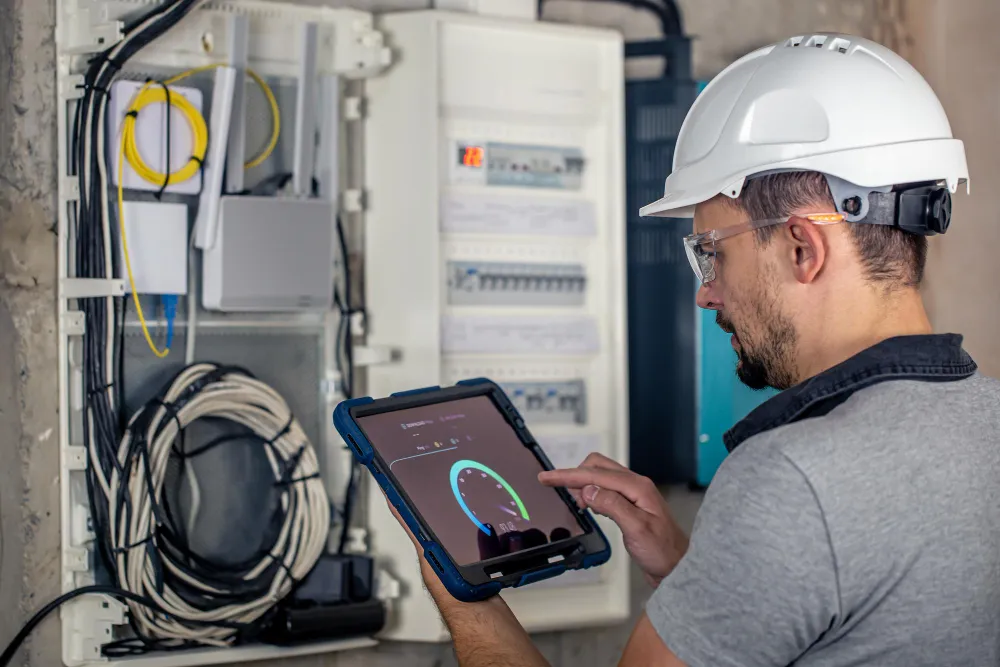

Choosing the best HVAC management software is not about picking the most popular tool—it’s about finding something that actually works when your schedule is packed, jobs are changing, and technicians are out in the field.
Most HVAC businesses don’t struggle because they lack software. They struggle because the software they use doesn’t match how their operations run daily.
Let’s break this down in a realistic way.
What HVAC Software Is Supposed to Fix
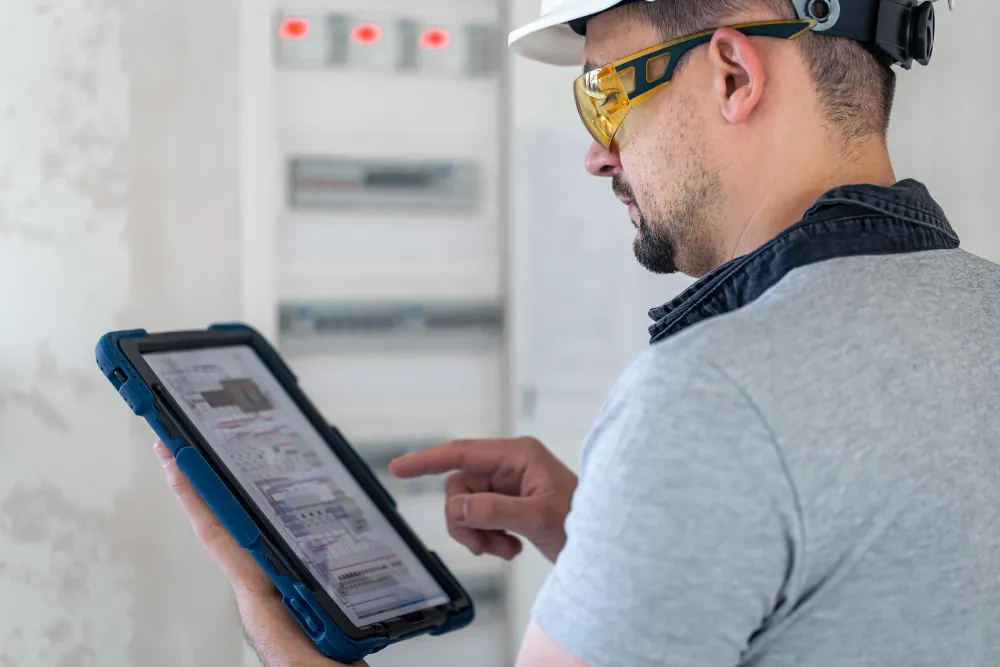
HVAC businesses deal with constant movement—emergency calls, maintenance jobs, installations, and seasonal spikes. Without a proper system, things quickly become unmanageable.
Common challenges include:
- Last-minute scheduling changes
- Poor coordination between office and technicians
- Lack of real-time job updates
- Delayed invoicing and cash flow issues
- Too much manual communication
Modern HVAC software is designed to streamline scheduling, dispatching, customer management, and payments—helping businesses stay organized and efficient.
Revofield: Built Around Real HVAC Workflows
Most software focuses on features. Revofield focuses on workflow—how your business actually runs every day.
Where It Feels Different
- Dynamic Scheduling (Not Fixed Calendars)
HVAC work changes constantly. Revofield allows real-time adjustments without disrupting your entire schedule. - Smart Dispatching Based on Location & Availability
Assign the nearest available technician automatically, reducing travel time and improving response speed. - Live Job Visibility
Know exactly what’s happening—who’s on-site, what’s delayed, and what’s completed. - Technician-Friendly Mobile App
Field teams can easily access job details, update progress, and communicate without friction. - Connected Workflow (End-to-End)
From booking → job → invoice → payment, everything works in one system instead of separate tools.
This approach matters because HVAC businesses don’t just need data—they need control and flexibility.
How Other HVAC Management Software Compares
To get a clear picture, let’s compare how other well-known tools handle similar challenges.
ServiceTitan
ServiceTitan is one of the most powerful HVAC platforms, offering advanced reporting, automation, and integrations.
Where it works well:
- Deep analytics and reporting
- Strong dispatching and scheduling
- Designed for large, scaling businesses
Where it struggles:
- Expensive for small teams
- Requires time and training to implement
👉 Best for large HVAC companies with complex operations.
Housecall Pro
Housecall Pro focuses on simplicity and customer experience, including booking and payment features.
Where it works well:
- Easy to use
- Strong online booking and reminders
- Good for small to mid-sized teams
Where it struggles:
- Limited flexibility for complex workflows
- Less control in fast-changing situations
👉 Good for getting started, but may feel restrictive over time.
FieldPulse
FieldPulse is known for its user-friendly interface and integration with tools like QuickBooks. It simplifies scheduling and customer communication.
Where it works well:
- Clean interface
- Easy job scheduling
- Good integration options
Where it struggles:
- Some features may be unnecessary for smaller teams
- Less focus on real-time adaptability
👉 A balanced option, but not always optimized for dynamic operations.
Workiz
Workiz takes an automation-focused approach, helping reduce manual work in dispatching and invoicing.
Where it works well:
- Automation saves time
- Streamlined workflows
Where it struggles:
- Can feel less flexible in real-time changes
- Automation doesn’t always handle exceptions well
👉 Useful for efficiency, but not always for unpredictable scenarios.
GorillaDesk
GorillaDesk focuses on communication and scheduling with features like notifications and route planning.
Where it works well:
- Strong communication tools
- Good scheduling interface
Where it struggles:
- May rely on additional tools for full functionality
- Feature-heavy for smaller businesses
👉 Strong in communication, but not fully workflow-focused.
The Real Trade-Off Most Businesses Face
From industry insights and real user experiences, one pattern is clear:
You usually end up choosing between powerful but complex or simple but limited
- ServiceTitan → powerful but heavy and expensive
- Housecall Pro / Jobber → simple but limited
- Automation tools → efficient but sometimes rigid
Few tools focus on balancing flexibility, usability, and real-time control.
What Actually Makes HVAC Software “The Best”
Instead of focusing on long feature lists, focus on what improves daily operations.
The best HVAC management software should:
- Handle real-time scheduling changes
- Provide live visibility into technician activity
- Reduce communication gaps
- Be easy for technicians to use in the field
- Combine scheduling, dispatching, and invoicing in one system
Because in HVAC, speed and coordination matter more than advanced features.
Final Thoughts
Most HVAC software can manage your business on paper—but not all can handle real-world situations where plans change constantly.
Tools like ServiceTitan, Housecall Pro, FieldPulse, and Workiz each offer valuable features, but they often lean toward either complexity or simplicity.
A solution like Revofield focuses on how HVAC businesses actually operate daily, offering a balance between flexibility, ease of use, and real-time control.
👉 In the end, the best HVAC management software is not the one with the most features—it’s the one that helps your team stay organized and efficient when the day doesn’t go as planned.


























Sign in to leave a comment.