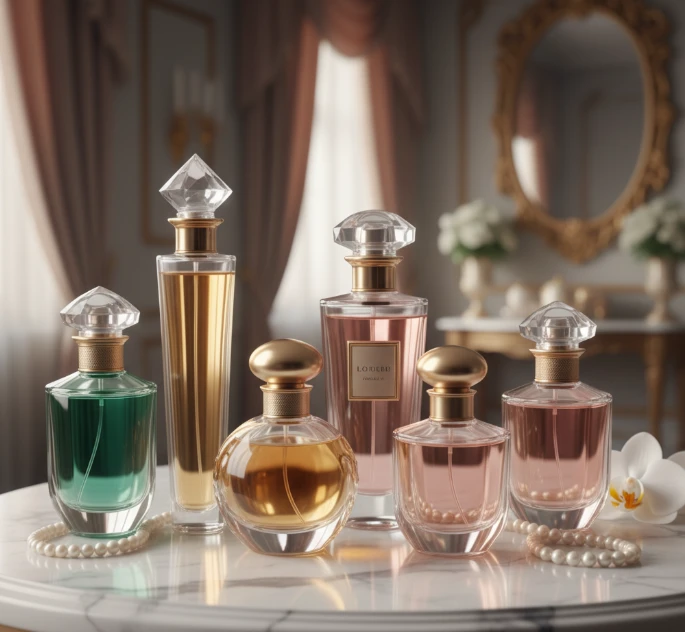

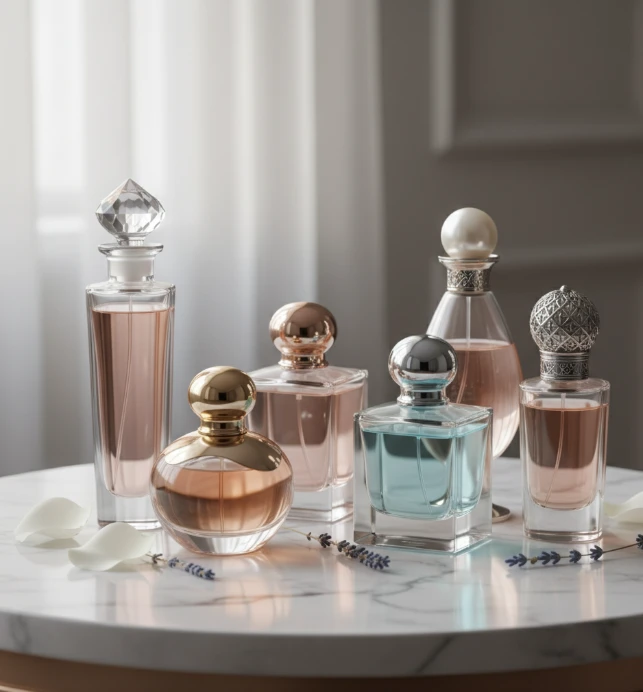
Women who invest in luxury perfume face an interesting dilemma. Should they choose fragrances that have been around for fifty years or more, or should they look at what contemporary perfume houses are creating today?
The answer isn’t straightforward, and both options have genuine advantages worth considering.
Luxury perfume has changed quite a bit over the decades. What was considered sophisticated in the 1950s might smell heavy or dated now. At the same time, some vintage formulations had access to ingredients that are no longer available or allowed. This creates a complex situation where neither old nor new automatically means better.
Understanding Luxury in Perfume
Real luxury in fragrance goes beyond the price tag. Plenty of expensive perfumes exist, but not all of them deserve the premium they charge. Several factors separate genuinely luxurious options from overpriced disappointments.
The raw materials make the biggest difference. Natural jasmine absolute costs exponentially more than synthetic jasmine. Real oud from agarwood trees costs more per ounce than gold. These ingredients create depth and richness that cheaper alternatives can’t match.
Concentration levels affect both performance and perceived luxury. Parfum contains 20–30% fragrance oils, while eau de parfum typically sits around 15–20%. Lower concentrations like eau de toilette might smell pleasant but won’t perform like true luxury fragrances.
The perfumer’s skill matters too. Creating a balanced, long-lasting fragrance that develops beautifully on skin requires years of training and experience. Master perfumers command high fees because their expertise produces consistently excellent results.
What Makes Classic Perfumes Endure
Fragrances that have survived for generations didn’t last by accident. These perfumes earned their place through quality and broad appeal:
- Complex compositions that reveal different facets throughout the day
- High-quality ingredients that were more readily available in past decades
- Careful reformulation to maintain character despite ingredient restrictions
- Strong emotional associations passed down through families
- Recognition factor that signals sophistication and refined taste
The Appeal of Timeless Fragrances
Classic luxury perfumes carry weight that new releases simply can’t replicate yet. A fragrance that has been loved for seventy years has proven its worth across different cultures, climates, and fashion eras.
These older perfumes often smell richer and more complex than modern releases. Perfumers in previous decades weren’t as constrained by regulations or market research.
They could create bold, distinctive fragrances that took risks. Some of these compositions would probably never get approved by a modern marketing department.
Vintage perfumes also connect wearers to history. Knowing that women wore the same fragrance during different historical periods adds meaning beyond just the scent itself. There’s something powerful about wearing a perfume that someone’s grandmother considered special.
However, reformulation presents a real problem with older fragrances. Most classic perfumes have been reformulated multiple times over the decades.
Ingredient restrictions, cost considerations, and ownership changes all contribute to alterations. Today’s version of a classic might smell noticeably different from the original formula.
When Classics Work Best
Older luxury fragrances tend to excel in specific situations. Their richer compositions suit cooler weather better than hot summer days. They work well for evening events and formal occasions where stronger presence is appropriate.
These perfumes also appeal to women who don’t want to smell like everyone else in their age group. While younger demographics often prefer contemporary releases, classic perfumes offer a way to stand apart from current trends.
What Modern Luxury Brings
Contemporary perfume houses have advantages that didn’t exist decades ago. Technology has advanced significantly. Perfumers can now analyze and recreate scent molecules with precision that wasn’t possible before.
New ingredients keep appearing. Some are synthetic molecules designed specifically for perfumery. Others are natural materials that weren’t traditionally used in fragrance. This expanded palette gives modern perfumers more creative options.
The best luxurious perfume for women today might come from a niche house that didn’t exist five years ago. Small independent perfumers have grown significantly in recent years. These brands often prioritize quality and creativity over mass appeal.
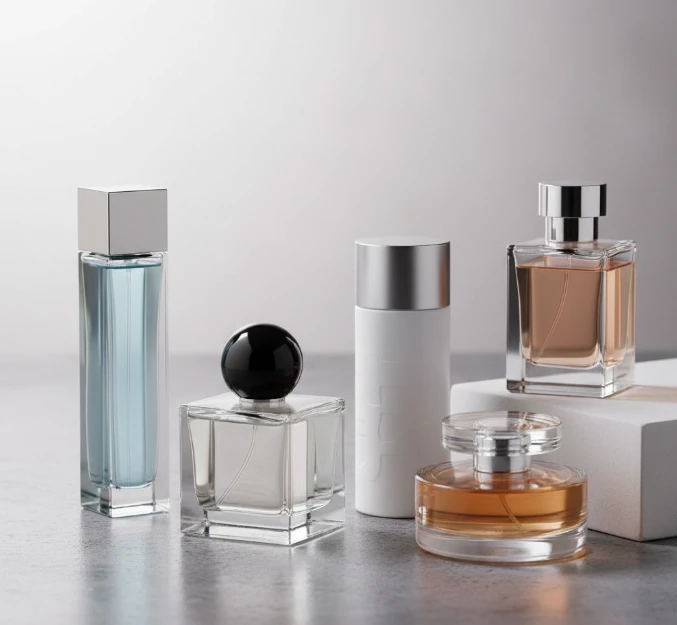
Contemporary Advantages
Modern luxury perfumes benefit from current priorities around transparency and sustainability. Many newer brands openly list ingredients and explain their sourcing practices. This appeals to consumers who want to know exactly what they’re buying.
Performance has improved in some ways too. Modern fixatives and base notes can extend longevity without making fragrances smell heavy or dated. Clean musks and woods create presence without the intensity of older animal-derived ingredients.
The aesthetic preferences have shifted as well. Many women now prefer fragrances that sit closer to the skin rather than announcing their presence across a room. Modern perfumes often cater to this preference with careful projection management.
Performance Comparison Worth Noting
Longevity varies wildly in both categories. Some vintage perfumes last twelve hours or more, while others fade within a few hours. The same holds true for contemporary releases. The idea that older automatically means longer-lasting doesn’t hold up under scrutiny.
Projection differs too. Classic perfumes were often designed for stronger sillage. They were created when perfume was meant to be noticed. Modern fragrances tend toward more intimate projection, matching current social norms around personal space.
Skin chemistry affects all perfumes regardless of age. What lasts all day on one person might disappear in three hours on someone else. This makes testing on individual skin absolutely necessary before any significant purchase.
Key Factors in Modern Luxury
Several elements define quality in contemporary luxury perfumes:
- Innovation in composition using newly available ingredients
- Transparency about sourcing and production methods
- Attention to sustainability without compromising quality
- Unique concepts that differentiate from mass-market releases
- Performance that justifies premium pricing in practical terms
Making an Informed Choice
The best luxurious perfume for women depends heavily on personal priorities. Women who value heritage and proven longevity might lean toward classics. Those who want something less common might prefer exploring contemporary options.
Budget considerations matter too. Some classic perfumes cost less than newer niche releases. However, price per milliliter varies significantly across both categories. Testing multiple options within any budget level makes sense before deciding.
The occasion influences choice as well. A classic might suit a wedding or formal dinner perfectly, while a modern fragrance could work better for professional environments. Many women end up owning options from both categories for different situations.
Seasonal factors play a role. Heavier classic perfumes often perform better in fall and winter. Lighter modern compositions might suit spring and summer more effectively. Climate and personal body temperature affect how different fragrances develop.
Testing Before Buying
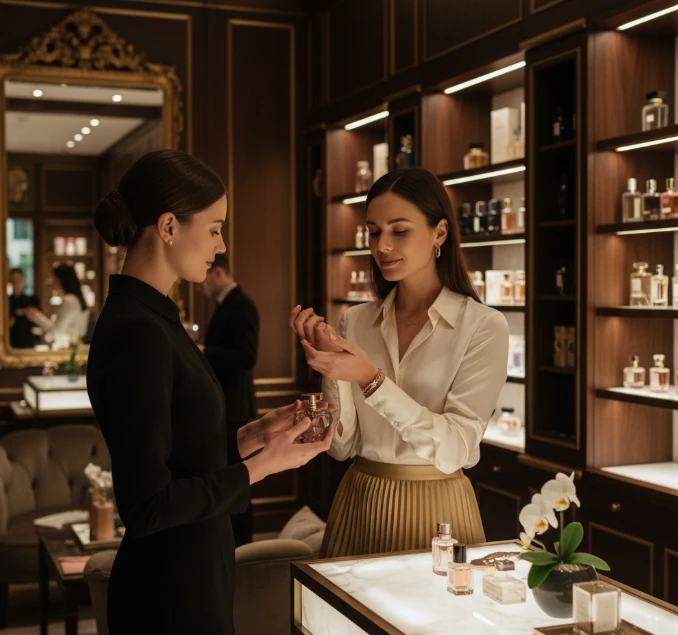
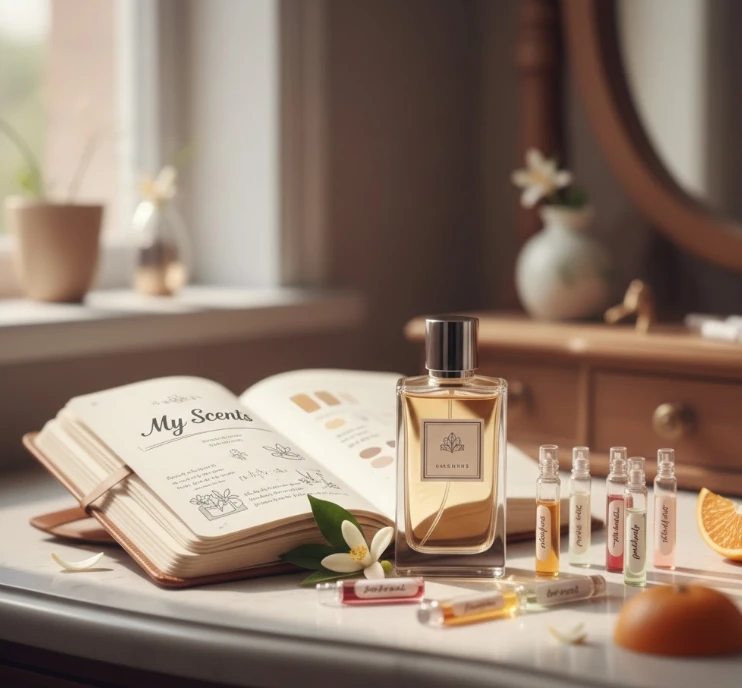
Luxury perfume represents a significant investment. Whether choosing classic or modern options, proper testing prevents expensive mistakes. Samples allow testing on skin for a full day to see how the fragrance develops and lasts.
Department stores typically stock classic luxury perfumes. Niche boutiques and online retailers offer better access to contemporary releases. Many brands now sell discovery sets with small samples of multiple fragrances.
Wearing a perfume for at least six hours reveals its true character. Some fragrances smell amazing initially but fade quickly. Others start subtle and become more interesting over time. Paper strips can’t show this development.
Final Thoughts
Neither timeless classics nor modern masterpieces claim superiority across the board. Both categories include excellent options and disappointing releases. The best luxurious perfume for women comes down to individual preference rather than age of the formula.
Quality exists in both worlds. A well-made classic offers sophistication and proven appeal. An excellent modern release provides innovation and contemporary sensibility. Personal taste determines which qualities matter most to each woman.
























Sign in to leave a comment.