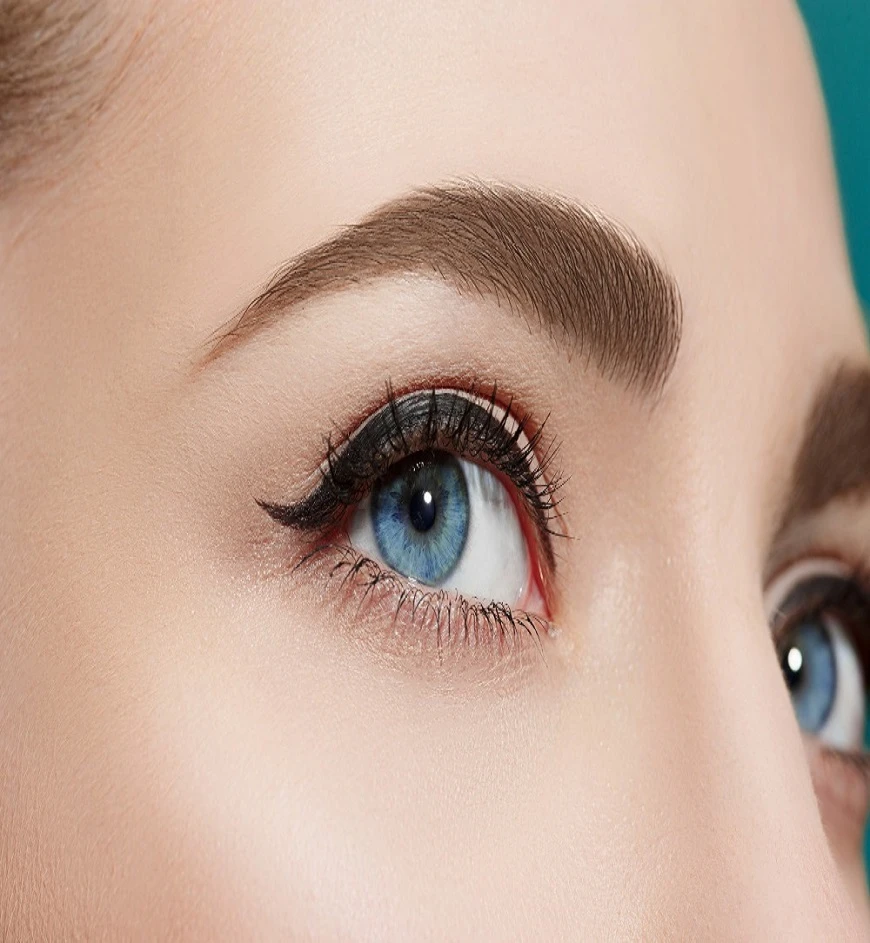

Microblading is a semi-permanent makeup technique that is in vogue. This method involves using a technical hand-held tool to create pleasing, hair-like strokes on the skin's surface, imitating the look of naturalistic eyebrows. While it is a go-to solution for creating beautifully shaped brows, it's essential to understand the science behind the method and its safety concerns. In this blog, we will delve into the science of the best microblading, how it works, and its safety measures.
The Fundamentals of Microblading
Microblading is a detailed process that needs skill, accuracy, and an in-depth knowledge of the skin's structure, composition, and components. It is a form of tattooing at its heart, but it differs from traditional tattoos in several ways.
Pigment Depth: Unlike regular tattoos, which pierce profoundly into the dermis layer of the skin, microblading reaches the epidermis, the outermost layer. This shallower depth ensures that the pigment doesn't last as long as traditional tattoos, making it semi-permanent.
Pigment Type: The pigment used in microblading is specifically designed for this procedure. It is not the same as tattoo ink and is formulated to fade naturally over time, reducing the risk of unwanted color changes.
Technique: Microblading is a manual technique that involves creating small incisions with a fine blade and depositing pigment into these tiny strokes. The strokes mimic the natural direction of hair growth, resulting in a more realistic appearance.
How Microblading Works?
Microblading is a multi-step process involving consultation, design, numbing, and the procedure. Here's a closer look at how it works:
Consultation: The process begins with a consultation with a trained and certified microblading artist. During this session, the client discussed their desired eyebrow shape, color, and overall look. To create a customized plan, the artist assesses the client's natural brow shape, facial features, and skin tone.
Design: Based on the consultation, the best microblading artists design the eyebrow shape, considering the client's preferences and natural features. This design is then discussed and adjusted until the artist and client are satisfied.
Numbing: To ensure a comfortable experience, a topical numbing cream is applied to the brow area. It helps minimize discomfort during the procedure.
Microblading: Using a sterile, disposable hand tool with a microblade, the artist carefully creates small, superficial incisions in the epidermis.
The pigment is applied to these incisions, resulting in fine, hair-like strokes that blend seamlessly with the natural brows. The strokes are built up gradually to achieve the desired fullness and shape.
Touch-ups: Microblading typically requires two sessions. The initial session establishes the basic shape and color, while a follow-up appointment, usually 4-6 weeks later, allows for any necessary adjustments and ensures the longevity of the results.
Safety Considerations
While the best microblading technique can yield stunning results when performed by a skilled professional, it's essential to prioritize safety. Here are some key safety considerations:
Training and Certification: Always choose a certified microblading artist with proper training and certification. It ensures the artist is well-versed in the technique, hygiene protocols, and safety measures.
Sanitization: Best microblading tools tend to be sterile and disposable to prevent the risk of infections. Ensure your chosen artist follows strict sanitation practices and uses disposable blades and needles.
Allergies and Sensitivities: Before the procedure, inform your artist about any allergies or sensitivities you may have before the process. It includes allergies to numbing creams or known skin conditions that could affect the procedure's outcome.
Aftercare: Following the microblading procedure, proper aftercare is essential. The best microblading aftercare tips include avoiding excessive sweating, sun exposure, and swimming for a few weeks. Your artist will provide detailed instructions on how to care for your newly microbladed eyebrows.Patch Testing: Some individuals may experience allergic reactions to the pigments used in microblading. A patch test can help identify any potential allergies before the full procedure. Discuss this with your artist to ensure your safety.
Licensing and Regulations: Verify that your microblading artist operates in a regulated facility. Best microblading technicians ensure they comply with local regulations.
Conclusion
The science behind microblading involves a meticulous process that combines artistry and technical skill to create natural-looking, semi-permanent eyebrows. When performed by a certified and trained professional, microblading is generally safe and can dramatically enhance one's facial features. However, it's essential to prioritize safety by choosing a reputable artist, following aftercare instructions, and considering any allergies or sensitivities you may have. Understanding the science behind microblading and making informed choices allows you to enjoy beautiful, long-lasting results while minimizing potential risks. Visit Pretty In Ink By Lorie for microblading, eyebrow shading, lip lining, microblading removal and other permanent makeup treatments.
























Sign in to leave a comment.