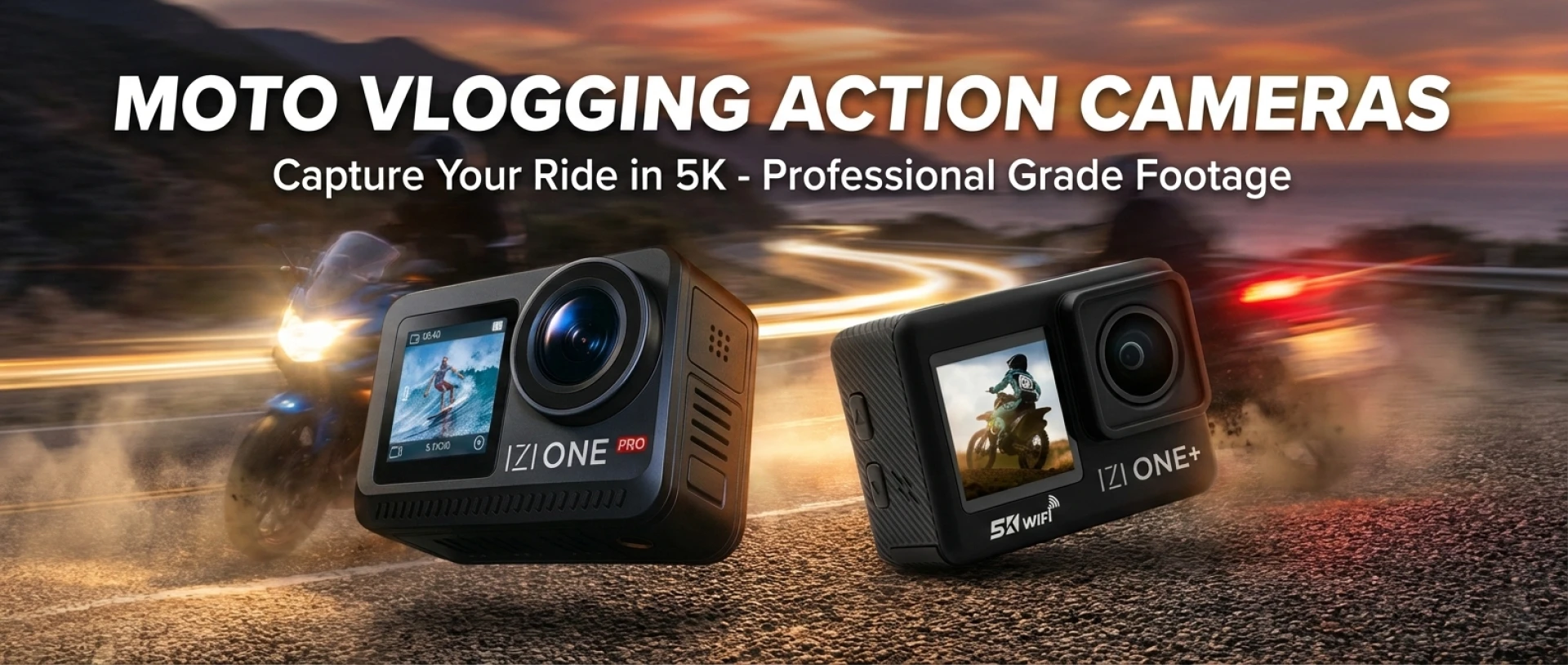

Moto vlogging is no longer a niche corner of YouTube. It has become a global movement. Riders document weekend highway runs, cross-country expeditions, city traffic experiences, and raw unfiltered conversations from behind the visor. The format feels authentic because it is immersive. The audience sees exactly what the rider sees.
But capturing that perspective properly requires the right action camera.
In 2026, the market is crowded with options that promise 4K, ultra stabilization, and cinematic quality. Yet not every action camera is suitable for helmet-mounted riding. Wind noise, vibration, weather exposure, battery endurance, and low-light conditions all test performance differently than typical travel filming.
This guide breaks down what truly matters when choosing the best moto vlogging action camera for riders in 2026. We will examine real-world riding scenarios, critical technical considerations, and standout models like the IZI One Pro and One Plus action cameras, which exemplify crisp clarity and reliable stabilization for creators.
Why Moto Vlogging Demands More from an Action Camera
Shooting while riding a motorcycle introduces unique challenges that ordinary content creation does not.
The camera is constantly exposed to vibration from the engine, wind pressure at high speeds, unpredictable lighting transitions, and road bumps. Audio is dominated by wind turbulence. Lighting changes rapidly when moving from open highways to shaded streets.
Unlike handheld travel filming, riders cannot frequently adjust settings mid-ride. The camera must deliver consistent results automatically.
For these reasons, the best moto vlogging action camera is not just about resolution. It is about stabilization strength, durability, battery reliability, and usable audio performance.
Stabilization: The Foundation of Watchable Riding Footage
If there is one feature that defines a moto vlogging camera, it is stabilization.
Helmet mounts amplify vibration. Even minor road texture becomes visible shake if the camera’s stabilization system is weak. In 2026, advanced electronic image stabilization has improved dramatically, and some systems rival mechanical stabilization for compact devices.
Strong stabilization transforms chaotic raw footage into smooth cinematic rides. It keeps horizon levels steady and reduces micro-jitters caused by wind and engine vibration.
When evaluating action cameras, always look for real-world riding footage rather than promotional demo clips. Stabilization quality becomes obvious in highway speed scenarios.
Video Quality: More Than Just 4K
Most action cameras now shoot 4K, but not all 4K is equal.
Moto vlogging requires strong dynamic range. Riding often involves harsh sunlight, deep shadows, reflective surfaces, and sudden light shifts when passing under bridges.
A camera that preserves detail in bright skies while maintaining clarity on road surfaces creates more professional-looking content.
Color science also matters. Natural tones reduce editing workload and make skin tones appear realistic during helmet-face shots.
IZI One Pro: Crisp Clarity with Confident Stabilization
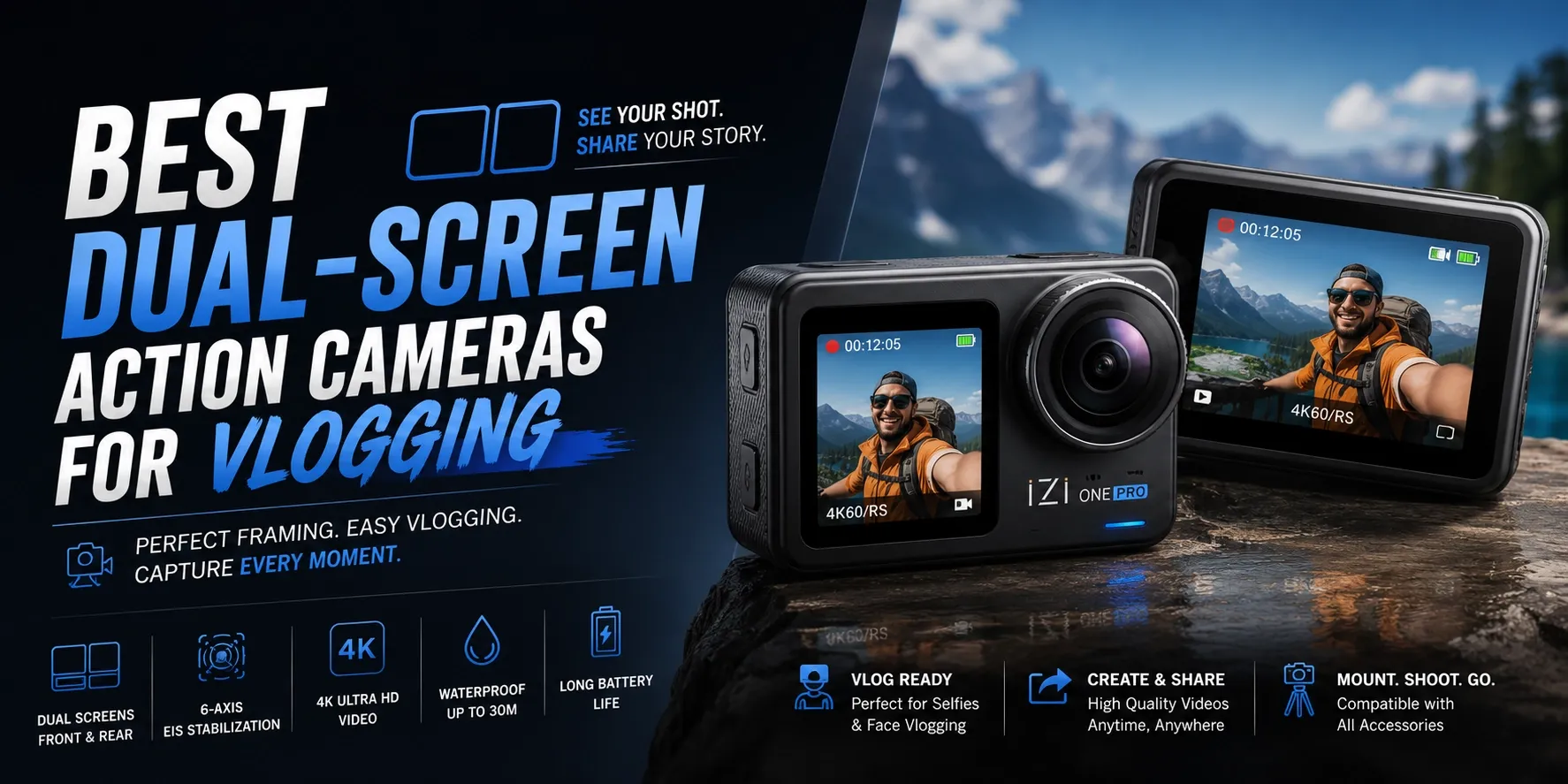
The IZI One Pro has become a compelling option for moto vloggers who prioritize both clarity and stabilization.
Designed with creators in mind, the One Pro action cam delivers sharp 4K recording paired with strong electronic stabilization capable of smoothing out helmet-mounted vibration. For highway cruising and city commuting alike, the footage remains steady and immersive.
Color output feels balanced and clean, which helps reduce grading effort in post-production. For riders who publish consistently, workflow efficiency matters as much as raw performance.
Durability is another strength. Moto cameras must handle wind pressure and outdoor exposure confidently. The One Pro’s build quality supports extended riding sessions without feeling fragile.
One Plus Action Camera: Balanced Performance for Riders
The OnePlus One Plus action camera has emerged as another reliable choice for creators in 2026.
It emphasizes sharp detail and responsive stabilization, making it suitable for riders who want clear road visuals without investing in ultra-premium pricing tiers.
For daily commute vloggers and touring enthusiasts, this balance of clarity and affordability makes it attractive. Integration with mobile ecosystems also simplifies footage transfer and quick edits for social platforms.
While it may not target extreme cinematic professionals, it meets the needs of the majority of moto vloggers producing regular content.
Mounting Considerations: Helmet vs Handlebar
Choosing the right camera is only half the decision. Mounting position affects final output significantly.
Helmet-mounted cameras provide immersive POV footage aligned with rider vision. However, they experience more vibration.
Handlebar mounts are easier to adjust but can amplify engine vibration depending on bike type.
Chin mounts often offer the most balanced perspective and stable horizon line for vlog-style storytelling.
Before investing heavily in camera specs, consider how you plan to mount and use it.
Audio: The Most Overlooked Factor
Wind noise is the enemy of moto vloggers.
Even the best cameras struggle against high-speed wind. Some models include built-in wind reduction systems, but external microphone solutions often improve clarity dramatically.
When selecting a camera, confirm microphone compatibility if you plan to use external audio gear.
Clear voice audio enhances engagement far more than marginal resolution differences.
Battery Life for Long Rides
Moto vlogging often involves extended highway journeys. A camera that overheats or drains quickly disrupts content capture.
Look for cameras that provide at least 70 to 90 minutes of real recording time per battery. Carrying spare batteries is essential for touring creators.
Thermal management also matters. Continuous 4K recording generates heat. Reliable cameras handle extended recording without shutting down.
Low-Light Riding
Evening city rides and sunset highways create beautiful visuals but challenge camera sensors.
A camera with decent low-light handling ensures usable footage when natural light fades. Noise control and balanced exposure become important here.
For riders who frequently vlog at night, prioritize sensors known for cleaner shadow retention.
Durability and Weather Resistance
Moto cameras must withstand dust, rain, and vibration. Waterproof housings or built-in water resistance protect against sudden weather changes.
Build quality influences longevity. A rugged camera survives accidental drops during mounting adjustments.
Workflow and Editing
Ease of file transfer impacts publishing consistency.
Cameras that connect quickly to smartphones or laptops simplify editing. For daily vloggers, fast workflow equals higher output.
Look for stable companion apps and accessible file formats compatible with standard editing software.
Comparing Budget vs Premium Action Cameras
Premium brands like GoPro and DJI continue to dominate the action camera landscape.
They offer refined stabilization systems, advanced color profiles, and strong durability.
However, mid-tier cameras such as the IZI One Pro and One Plus now deliver performance levels suitable for most moto vloggers without requiring flagship budgets.
The key is identifying what level of performance you genuinely need.
Who Should Buy a High-End Moto Vlogging Camera?
Professional riders producing cinematic documentaries may benefit from flagship models.
Daily riders, travel vloggers, and content creators building their channels often find mid-tier cameras sufficient.
Your audience cares more about storytelling and personality than ultra-premium gear.
Final Thoughts
The best moto vlogging action camera for riders in 2026 balances stabilization, clarity, durability, and workflow efficiency.
The IZI One Pro stands out for its crisp 4K output and reliable stabilization tailored for riding conditions. The One Plus action camera offers balanced performance and user-friendly integration for creators who value practicality.
Premium brands still lead in extreme scenarios, but for most riders, modern mid-tier cameras deliver exceptional results.
Choose a camera that fits your riding style, your publishing frequency, and your creative ambition.
Smooth footage, clear audio, and consistent reliability matter more than brand hype.
Frequently Asked Questions
1. Is 4K necessary for moto vlogging?
4K is recommended for clarity and editing flexibility, though strong stabilization is even more important.
2. Can I mount any action camera on a helmet?
Most action cameras support helmet mounts, but always use secure, quality mounting accessories.
3. How do I reduce wind noise?
Use windproof foam covers or external microphones designed for moto vlogging.
4. Are mid-tier cameras good enough for YouTube?
Yes. Many mid-tier models now offer stabilization and clarity sufficient for professional-looking content.
5. How many batteries should I carry?
For long rides, at least two to three spare batteries are recommended.
6. Do I need waterproof housing?
If you ride in unpredictable weather, waterproof protection adds safety and durability.























Sign in to leave a comment.