


Most people think about protecting their hair during the day. They use heat protectants, detangle carefully, and avoid tight styles when they can. But for six to eight hours every night, hair is left completely unprotected against a source of friction few people think about — their bed.
The pillowcase, the tossing and turning, and the unconscious ways the hair is positioned during sleep all contribute to a kind of nightly wear and tear that adds up over months. The solution does not require any extra time in the morning. It just requires a few intentional changes before you go to sleep.
The Problem With Sleeping on Cotton Pillowcases
Cotton is a wonderful fabric for many things, but it is too rough for hair. The surface texture of a standard cotton pillowcase creates significant friction as hair moves across it during the night. This friction roughs up the hair cuticle, causes tangling, and contributes to frizz and breakage that appears by morning.
The fix is simple and one-time: switch to a silk or satin pillowcase. These fabrics allow hair to glide instead of catching, which dramatically reduces the mechanical stress your hair experiences overnight. The difference in texture and frizz level is often noticeable within the first week.
How to Position Hair Before Bed
How you style your hair before sleeping matters just as much as what your pillowcase is made of. Sleeping with hair completely loose allows all of it to tangle freely throughout the night. Going to sleep with soaking wet hair is even worse — wet hair is at its most fragile, and hours of friction in that state can cause significant damage.
Loosely braiding long hair or gathering it into a very loose bun at the top of the head reduces tangling and friction without pulling on the scalp. The keyword is loose. A tight bun or braid at night creates its own tension-related problems.
The Role of Leave-In Products at Night
Dry ends benefit from a small amount of lightweight hair oil or leave-in conditioner applied before bed. This adds a layer of moisture that works overnight and also reduces friction on whatever fabric you are sleeping on. Focus the product on the ends and avoid applying it close to the scalp, where it can contribute to buildup.
Managing Wet Hair at Night
If you prefer washing your hair at night or after an evening workout, giving it time to air dry before sleeping is important. Even 30 to 60 minutes of air drying before bed significantly reduces the vulnerability of hair during the night. If that is not possible, use a microfiber towel to remove as much excess water as possible and apply a leave-in before gathering hair loosely.
Connecting Nighttime Habits to Daytime Hair Health
The daily habits that prevent hair damage do not stop when the sun goes down. Nighttime care is a genuine and often overlooked part of a complete hair care routine. Protecting your strands while you sleep means your morning starts from a better baseline — less frizz, fewer tangles, less breakage during styling.
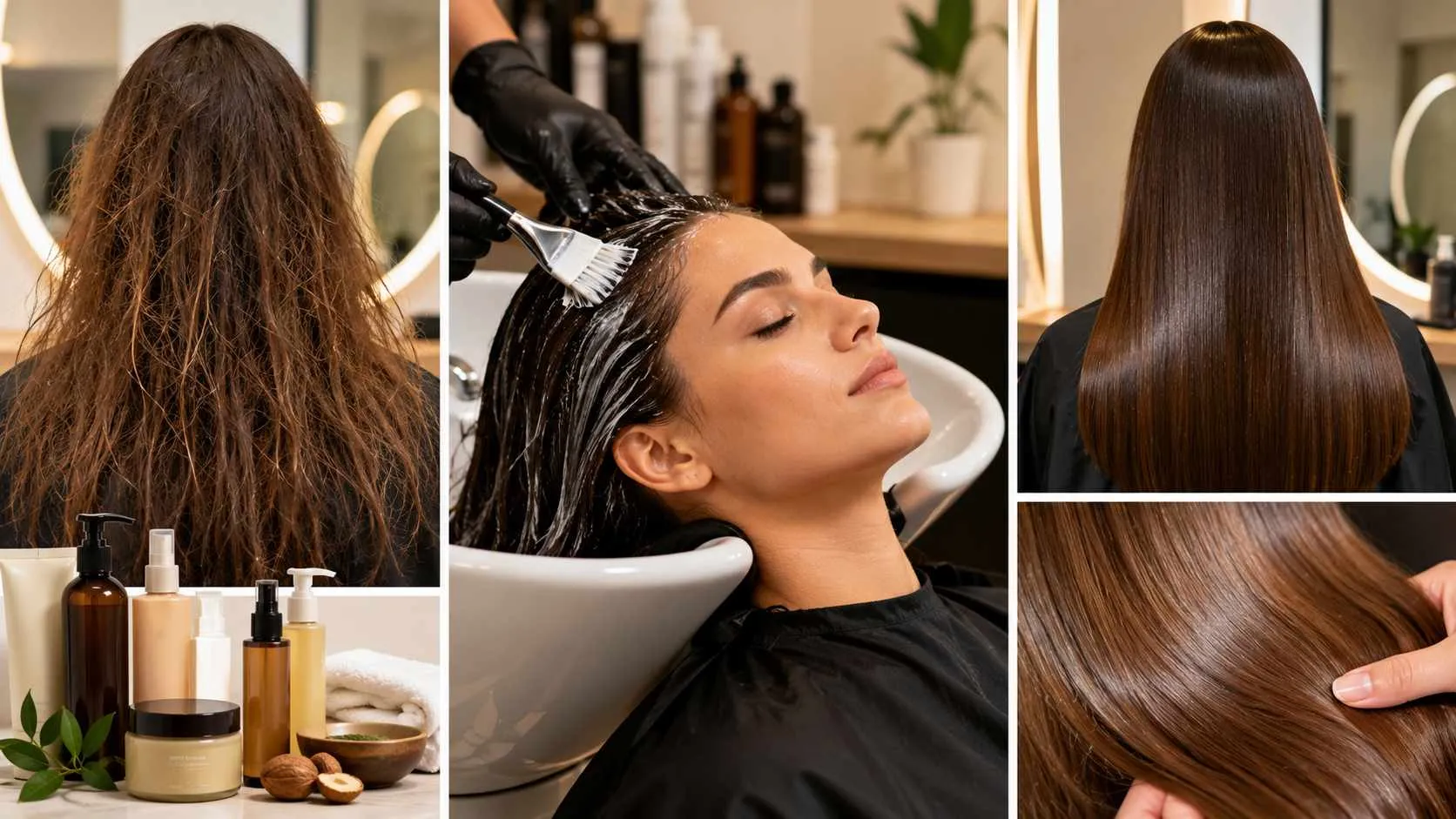
If your hair still feels rough or dry despite making these nighttime changes, it may be time to consider whether a professional treatment could help reset the condition of your hair. Deep hydration and smoothing services can complement your nighttime routine by improving the hair's ability to retain moisture and resist friction-related stress.
Developing a Simple Pre-Bed Hair Ritual
The goal is not to add complexity to your bedtime routine. It is to add protection. A two-minute habit — applying a small amount of oil to dry ends, loosely braiding hair, and sleeping on a smooth surface — is all it takes to significantly reduce nighttime damage.
Incorporating nighttime habits to prevent hair damage into your existing routine is one of the highest-return investments you can make in the long-term health of your hair.
Conclusion
You spend nearly a third of your life asleep. Making sure your hair is protected during that time is one of the easiest and most impactful changes you can make to your hair care routine. A silk pillowcase, a loose braid, and a little moisture go a long way in keeping your hair healthy through every night.


























Sign in to leave a comment.