

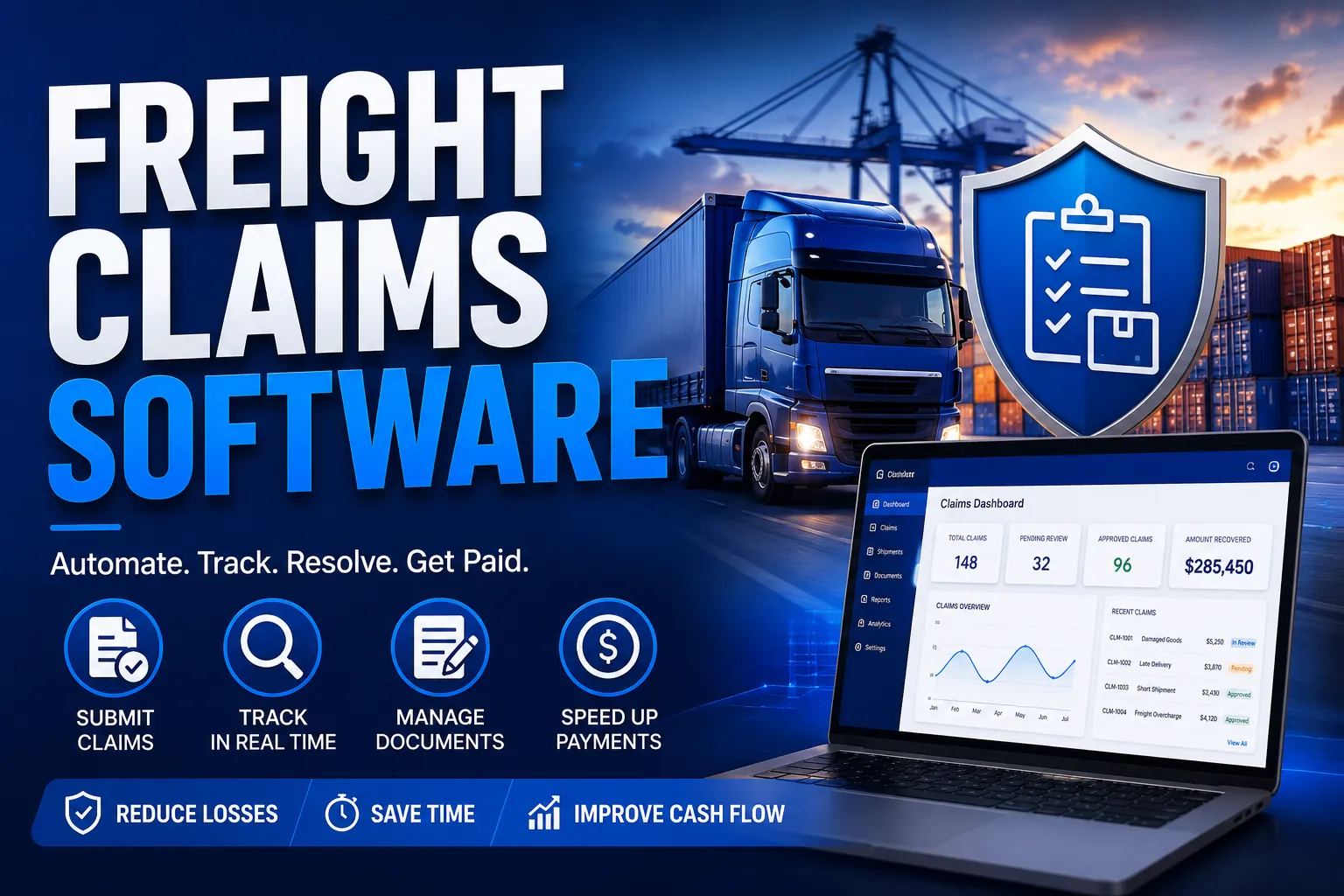
Freight Claims Software has become an essential tool for logistics teams that want to reduce revenue leakage and speed up claim resolution. Every year, businesses lose significant amounts of money to damaged, lost, or delayed shipments, and manually tracking these claims across spreadsheets or emails only adds to the chaos. Choosing the right platform can mean the difference between recovering what you're owed and writing off losses that could have been avoided.
Understand Your Claims Volume and Complexity
Before selecting a solution, take stock of how many claims your business handles each month and how complicated they tend to be. A small operation with occasional disputes has very different needs than an enterprise managing thousands of shipments across multiple carriers. The right software should scale with your operations rather than forcing you into a rigid workflow that doesn't match your reality.
Look for Seamless Integration
A strong platform should connect easily with your existing transportation management system, ERP, and accounting tools. This is where a reliable freight payment system becomes just as important as the claims tool itself. When payment data, invoices, and claims information flow together automatically, your team spends less time reconciling numbers and more time resolving disputes.
Prioritize Automation and Visibility
Manual claim filing is slow and prone to errors. Look for software that automates documentation gathering, deadline tracking, and status updates. Real time dashboards give your team full visibility into every open claim, so nothing slips through the cracks. Automated alerts for filing deadlines can also protect you from missing critical windows that carriers use to deny claims.
Evaluate Reporting and Analytics Capabilities
Data should do more than sit in a database. The best platforms turn claims history into actionable insights, helping you identify recurring carrier issues, packaging problems, or routes that generate the most disputes. These insights allow procurement and operations teams to make smarter decisions and negotiate better terms with carriers going forward.
Check for Compliance and Security Standards
Freight claims often involve sensitive financial and shipment data. Make sure any software you consider follows strong data security protocols and complies with relevant industry regulations. This protects your business and builds trust with the carriers and partners you work with daily.
Consider Customer Support and Implementation
Even the most powerful software is only useful if your team can actually use it. Look for vendors that offer hands-on onboarding, responsive customer support, and training resources. A smooth implementation process reduces downtime and gets your team up and running faster.
Make the Right Choice for Long Term Growth
Selecting freight claims software isn't just about solving today's problems. It's about building a foundation that supports your business as shipment volumes grow and carrier relationships evolve. The right partner will offer flexibility, transparency, and measurable results over time.
If you're ready to simplify claims management and strengthen your freight payment system, nVision Global offers proven solutions built for logistics teams that demand accuracy, efficiency, and results. Reach out today to see how nVision Global can help you recover more, resolve faster, and take control of your freight claims process.

























Sign in to leave a comment.