
Introduction
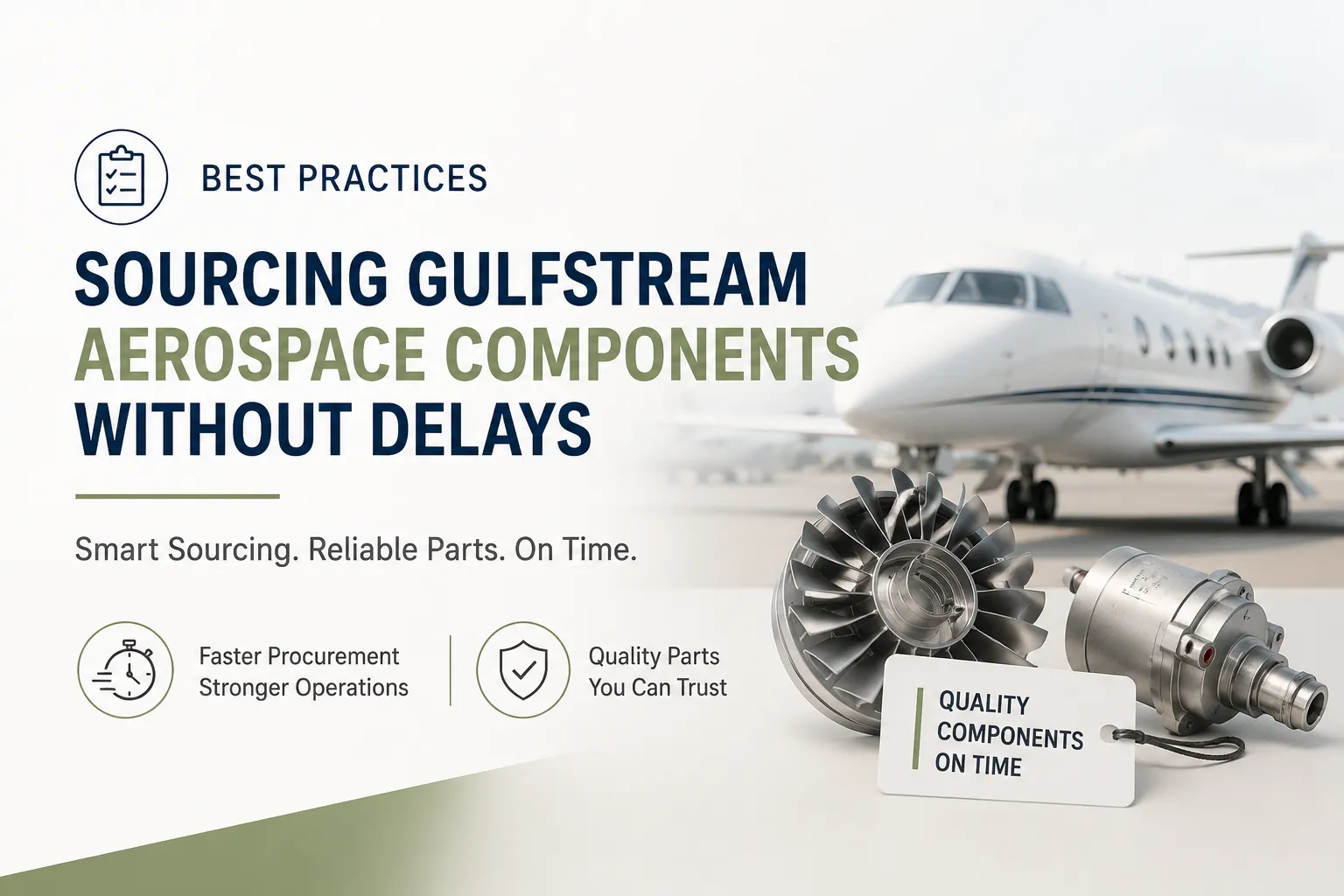
In the aviation industry, timely access to quality components is essential for maintaining operational efficiency and aircraft safety. Delays in sourcing replacement parts can lead to extended downtime, disrupted maintenance schedules, and increased costs. Whether procuring routine replacement items or hard-to-find components, following proven sourcing strategies can help buyers secure Gulfstream aircraft parts quickly and efficiently.
Partner with a Trusted Civil Aviation Parts Supplier
One of the most effective ways to avoid procurement delays is to work with a reliable civil aviation parts supplier. Established suppliers typically maintain extensive inventories and sourcing networks that enable them to locate components faster than independent buyers. They also have experience navigating the complexities of aviation procurement, helping customers obtain the parts they need while meeting industry quality requirements.
By choosing a trusted sourcing partner, buyers gain access to a broader range of Gulfstream aerospace components, including new, obsolete, and hard-to-find parts that may not be readily available through standard distribution channels.
Plan Procurement Activities in Advance
Proactive planning is critical when sourcing aviation components. Waiting until a part becomes urgently needed can limit sourcing options and increase lead times. Maintenance teams should regularly review upcoming service schedules and identify components that may require replacement.
Forecasting future requirements allows procurement professionals to begin sourcing activities early, reducing the risk of delays caused by supply shortages or unexpected demand. This approach is especially beneficial when sourcing specialized Gulfstream parts that may have limited availability in the market.
Verify Part Information Before Submitting Requests
Accurate part identification plays a major role in efficient procurement. Even minor errors in a part number or manufacturer reference can delay the quotation and sourcing process.
Before submitting an RFQ, buyers should confirm:
- Part number
- Manufacturer name
- Aircraft applicability
- Required quantity
- Any alternate or superseded references
For example, when sourcing a specific Gulfstream component such as GAC860N08, providing complete and accurate information enables procurement specialists to locate inventory more quickly and provide precise quotations without unnecessary back-and-forth communication.
Use RFQ-Based Procurement for Faster Results
Benefits of a Streamlined RFQ Process
An efficient RFQ (Request for Quote) process helps aviation buyers compare sourcing options and receive pricing information faster. Rather than contacting multiple suppliers individually, buyers can submit a single RFQ detailing their requirements.
RFQ-based procurement offers several advantages:
- Faster response times
- Improved inventory visibility
- Competitive pricing options
- Reduced administrative workload
- Access to procurement specialists
By utilizing dedicated RFQ services, buyers can accelerate the sourcing process and identify suitable solutions for Gulfstream aerospace components without unnecessary delays.
Prioritize Quality and Traceability
Speed Should Never Compromise Compliance
While fast delivery is important, quality assurance remains a top priority in aviation procurement. Every sourced component should meet applicable industry standards and traceability requirements.
Working with reputable suppliers helps ensure that parts are obtained from trusted sources and undergo appropriate quality-control procedures. This reduces the risk of receiving non-compliant or unverified components that could create operational or regulatory challenges.
Balancing procurement speed with quality verification is essential for maintaining both aircraft safety and long-term operational reliability.
Build Strong Supplier Relationships
Long-term supplier relationships often lead to more efficient procurement outcomes. Suppliers who understand a customer's operational needs can frequently provide faster support, recommend alternative solutions, and prioritize urgent requests.
Strong partnerships also improve communication, making it easier to resolve sourcing challenges when specific Gulfstream parts become difficult to locate. Over time, these relationships contribute to a more responsive and dependable procurement process.
Leverage Digital Procurement Tools
Technology Helps Reduce Sourcing Delays
Modern procurement platforms provide powerful search capabilities that allow buyers to locate aviation components by manufacturer, category, aircraft model, or part number.
These digital tools offer several benefits:
- Faster inventory searches
- Improved sourcing accuracy
- Simplified RFQ submission
- Enhanced procurement visibility
- Quicker access to supplier support
Using online procurement resources can significantly reduce the time required to identify and source Gulfstream aerospace components.
Consider Logistics and Delivery Requirements
Even after a component has been sourced, delivery speed remains an important factor. Buyers should evaluate shipping options, warehouse locations, and fulfilment capabilities before finalizing a purchase.
Suppliers with established logistics networks are often better equipped to support urgent maintenance requirements and minimize transit-related delays. Ensuring efficient delivery helps keep aircraft maintenance projects on schedule and reduces costly downtime.
Conclusion
Sourcing Gulfstream aircraft parts without delays requires a combination of proactive planning, accurate part identification, efficient RFQ processes, and trusted supplier relationships. By working with a dependable civil aviation parts supplier, leveraging digital procurement tools, and maintaining a strong focus on quality and traceability, aviation buyers can streamline procurement activities and reduce operational disruptions.
Whether searching for common replacement components or specific part numbers such as GAC860N08, following these best practices can help organizations secure the aerospace components they need quickly, efficiently, and with confidence.























Sign in to leave a comment.