

Infrastructure Manufacturing in a Multi-Sector Landscape
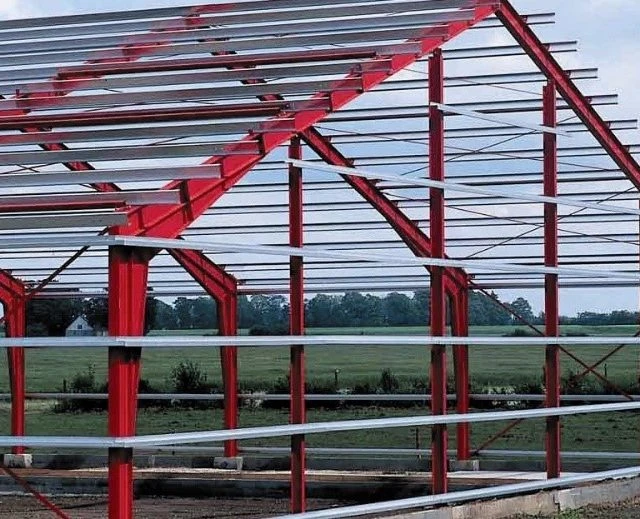
Modern infrastructure development often involves overlapping manufacturing ecosystems, where firms diversify across sectors to balance demand cycles. For example, some solar module mounting structure manufacturers also operate in heavy fabrication, producing steel components for transport and industrial infrastructure. This crossover highlights how fabrication expertise, galvanization capabilities, and structural engineering knowledge are transferable across renewable energy and road safety applications. Within this broader industrial context, crash barriers represent a critical safety component that requires precision manufacturing and strict adherence to standards.
Role of Crash Barriers Manufacturers in Road Safety
Crash barriers manufacturers play a vital role in reducing fatalities and minimizing damage during road accidents. These barriers are designed to absorb kinetic energy, redirect vehicles, and prevent them from veering into opposing traffic or hazardous zones such as bridges and embankments. Their performance is not only a function of design but also of material quality, manufacturing accuracy, and installation practices. National highway authorities across countries mandate rigorous testing before approving barrier systems for deployment, underscoring the safety-critical nature of these products.
Manufacturing Processes and Quality Control
The manufacturing of crash barriers typically involves roll forming or pressing steel sheets into W-beam, Thrie-beam, or box-beam profiles. Precision forming is essential to ensure consistent geometry, as even minor deviations can affect impact performance. Post-forming, components undergo hot-dip galvanization to protect against corrosion, especially in coastal or high-humidity environments. Quality control measures such as thickness verification, coating adhesion tests, and dimensional checks are integral to ensuring long-term durability and compliance with standards like EN 1317 or MASH.
Materials and Performance Characteristics
Most crash barriers are made from high-strength structural steel due to its predictable deformation behavior under impact. The steel grade is selected to balance tensile strength and ductility, allowing the barrier to absorb energy without catastrophic failure. In some regions, concrete barriers are preferred for urban expressways with limited space, while steel barriers dominate highways due to easier repair and replacement. Real-world crash data has shown that properly designed steel barriers significantly reduce the severity of accidents by controlling vehicle deceleration and trajectory.
Real-World Implementation Examples
Countries investing heavily in expressway networks, such as India and parts of Southeast Asia, have seen measurable safety improvements after upgrading outdated roadside protection systems. Retrofitting projects on high-accident corridors demonstrate how compliant crash barriers reduce cross-median collisions and vehicle rollovers. These outcomes reinforce the importance of aligning manufacturing quality with site-specific performance requirements.
Future Outlook
The future of crash barrier manufacturing is likely to be shaped by advanced materials, digital design tools, and performance-based specifications. High-performance steels, modular barrier systems, and enhanced simulation testing are expected to improve safety outcomes while reducing lifecycle costs. As transport infrastructure expands and safety regulations evolve, crash barriers will remain a foundational element of road design, supported by increasingly sophisticated manufacturing practices.




























Sign in to leave a comment.