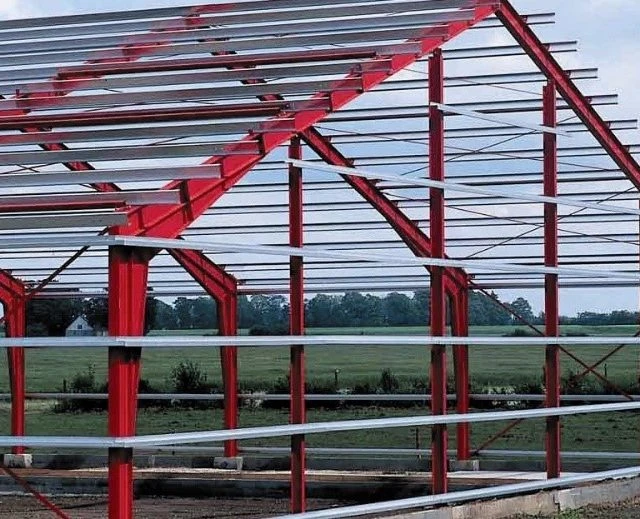

Pre-engineered buildings, or PEBs, were once seen as second-rate construction. People thought of them as cheap sheds. That has changed. Airports, logistics parks, and industrial plants now rely on PEB manufacturers for faster and smarter delivery.
This shift is not just about swapping concrete for steel. It is about how PEB manufacturers are helping infrastructure companies plan, budget, and complete projects with less waste and better outcomes.
Efficiency doesn’t just mean speed
The first thing people say about PEBs is that they save time. That is true, but efficiency is more than meeting deadlines. It also means predictable costs, smart use of resources, and long-term durability. A warehouse that goes up quickly but needs constant repair is not efficient.
Manufacturers now use high-tensile steel to balance weight and strength. They design modular systems that can expand without tearing down the original structure. Some are even adding monitoring tools that track corrosion and structural health. These steps are already in use across several industrial projects in India.
The economics of waste reduction
Every infrastructure company struggles with waste. Extra steel, unused concrete, downtime for workers. It all adds cost. PEBs help cut this waste by moving most of the fabrication to factories.
In a plant, precision is higher and errors are fewer. That means less scrap and less rework. Components are tested before they leave the factory, so site teams face fewer surprises. Less cutting and welding at the site means smoother progress and lower costs.
Customization isn’t a luxury anymore
Another old belief is that PEBs are cookie-cutter sheds. That is no longer the case. Today manufacturers deliver projects that are highly specific to the client’s needs.
Airports want wide spans. Data centers need precise climate control. Metro depots need flexible layouts. These are not standard designs. The fact that PEB manufacturers can provide this level of customization at scale is one reason infrastructure companies prefer them.
Energy efficiency and sustainability
Sustainability is often treated as an afterthought in large projects. Yet buildings lock in energy use and carbon emissions for decades. Small design choices make a big difference.
PEB manufacturers now integrate features like reflective roof coatings, insulation, solar-ready rooftops, and rainwater harvesting. These reduce operating costs and improve environmental performance. Because designs are digital, scaling these features across multiple projects is straightforward.
Digital design tools—more than just BIM hype
Digital design is more than just 3D models. Leading manufacturers use it in practical ways.
They run simulations to test how structures perform under site-specific wind loads. They connect design tools to procurement systems so a change in size reflects in orders right away. They let infrastructure companies review virtual builds before fabrication starts.
These tools improve transparency and speed up decisions. That is what matters in practice.
The overlooked advantage—scalability
Infrastructure projects often expand. Airports add terminals. Logistics hubs grow when demand rises. Plants add new lines. Traditional concrete construction is expensive and awkward to change.
PEBs are easier to scale. Bolted connections and modular layouts allow extensions without dismantling the old structure. For infrastructure companies facing uncertain demand, this flexibility is a major advantage.
A few doubts worth keeping
PEBs are not perfect. Corrosion near coastal areas is still a concern. Skilled crews are not always available, which affects quality. And some projects like bridges or underground stations need traditional construction.
But dismissing PEBs because of these limits ignores how far the technology has come. For many projects, they are now the smarter choice.
Final thought
Efficiency today is more than speed or cost. It also includes adaptability, sustainability, and long-term performance. Modern PEB manufacturers give infrastructure companies tools to build with foresight.
That is the real shift. Pre-engineered buildings are not just quicker or cheaper. They make it possible to design projects that last and adjust to change.


























Sign in to leave a comment.