
Maize, or corn, is a staple crop cultivated widely for food, fodder, and industrial applications. Its productivity, however, is often threatened by aggressive weed competition, especially during the early growth stages. Weeds not only reduce nutrient availability and water absorption for maize plants but also create a hostile environment for optimal crop growth. This is where the proper use of maize herbicide becomes essential.
By using the right herbicide at the right time and following best agricultural practices, farmers can significantly increase maize yield, reduce crop losses, and ensure a cleaner field environment. This article explores the most effective practices for using maize herbicide while promoting both productivity and sustainability.
Why Herbicides Are Crucial in Maize Cultivation
In the absence of timely weed control, maize yield can drop by as much as 40% or more. This is particularly true in the first 30–45 days after sowing, a period when maize plants are most vulnerable to weed competition.
Manual weeding is labor-intensive and costly, especially for large-scale farms. Hence, chemical weed control through the use of herbicide has become a widely adopted practice. Maize herbicide application allows for efficient, uniform, and timely removal of weeds, ensuring that maize plants receive full access to sunlight, nutrients, and moisture.
Types of Herbicides for Maize
Understanding the types of herbicides and how they work is key to choosing the most effective product for your field. Herbicides for maize can be broadly categorized into two main groups:
1. Pre-Emergence Herbicides
These are applied shortly after sowing and before the weeds and maize seedlings emerge. They work by forming a protective chemical layer in the topsoil, inhibiting weed germination.
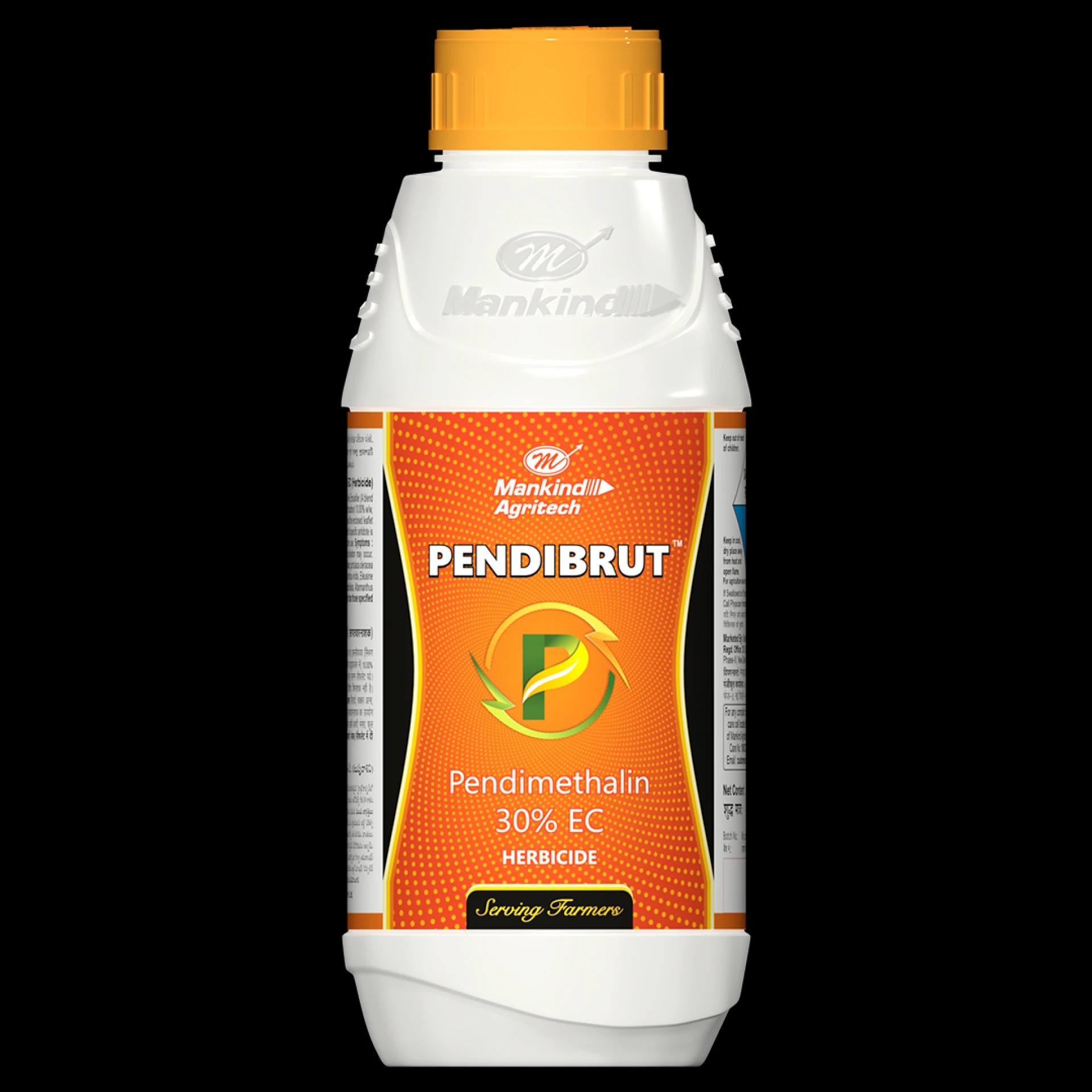
Common active ingredients: Atrazine, Pendimethalin, and S-metolachlor.
2. Post-Emergence Herbicides
These are sprayed after both the maize and weeds have emerged. They are effective against established weed populations and typically target broadleaf and grassy weeds.
Common active ingredients: Nicosulfuron, Tembotrione, and Glyphosate (in non-selective applications like in conservation tillage or pre-cultivation).
Selecting between pre- and post-emergence maize herbicide depends on weed pressure, crop stage, and specific weed species present in the field.
Best Practices for Using Maize Herbicide
To achieve maximum effectiveness while minimizing crop damage or environmental risk, farmers should follow these key best practices when using herbicide for maize cultivation.
1. Accurate Weed Identification
Not all weeds are created equal. Some herbicides are selective, targeting only specific types of weeds. Identify the prevalent weed species in your field—whether they are broadleaf, grasses, or sedges—before selecting a product. This ensures you use a maize herbicide that delivers targeted and efficient weed control.
2. Soil and Weather Considerations
Soil type plays a significant role in the efficacy of herbicides. Sandy soils may allow faster leaching, while clay soils may require different application rates.
Weather also impacts herbicide performance. Avoid spraying before heavy rain, as it can wash away the chemical. Similarly, don’t spray during windy conditions, which can cause drift and damage to neighbouring crops.
3. Proper Timing of Application
- Apply pre-emergence herbicide within 48 hours after sowing for the best results.
- Use post-emergence herbicide when weeds are still young (usually within 15–30 days of crop emergence).
Delaying application reduces effectiveness and may require higher doses or multiple sprays, increasing cost and environmental burden.
4. Correct Dosage and Mixing
Overuse of herbicide can cause phytotoxicity (crop injury), while underuse may not eliminate weeds effectively. Always follow manufacturer guidelines regarding dosage.
Use clean water for mixing, and agitate the solution continuously during application to maintain uniform distribution. Some maize herbicides may require surfactants or adjuvants to improve absorption—check the label or consult an expert.
5. Use Calibrated Equipment
Using well-maintained and calibrated sprayers ensures uniform application of herbicide. This helps in reducing wastage, avoiding overdosing, and covering the entire field effectively.
It’s advisable to test spray volume on a small patch before large-scale application to ensure the equipment is functioning optimally.
6. Rotation of Herbicide Modes of Action
Repeated use of the same herbicide group can lead to the development of resistant weed populations. To prevent this, rotate herbicides with different modes of action each season. Integrated weed management practices, including mechanical control and crop rotation, also support resistance management.
7. Monitor the Field After Application
After applying the maize herbicide, observe the field over the next few days. Look for signs of weed suppression, crop stress, or any unintended damage. Early detection of herbicide failure or crop injury allows for timely corrective measures.
8. Safe Handling and Storage
Always wear protective clothing—gloves, goggles, and masks—when handling herbicides. Store products in their original containers away from food, feed, and water sources. Dispose of empty containers responsibly to prevent environmental contamination.
Environmental and Health Considerations
While herbicides contribute to agricultural productivity, they can pose risks to non-target organisms and human health if mishandled. Farmers should:
- Avoid spraying near water bodies
- Respect buffer zones between fields and residential areas
- Follow pre-harvest intervals (PHIs) to ensure that residue levels remain within safe limits
- Educate farm workers on safe handling procedures
By using maize herbicide responsibly, farmers can protect their crops while safeguarding the ecosystem and human health.
Benefits of Efficient Herbicide Use in Maize Fields
When applied correctly, herbicide use in maize cultivation provides multiple benefits:
- Higher Yields: Weed-free fields allow maize plants to grow vigorously without competition.
- Reduced Labor Costs: Chemical weed control minimizes the need for manual or mechanical weeding.
- Improved Soil Health: Some herbicides support conservation tillage, which helps reduce soil erosion and nutrient loss.
- Efficient Resource Use: Fertilizers and water are used more effectively when not shared with weeds.
Ultimately, the judicious use of maize herbicide transforms weed control into a strategic advantage in crop production.
Conclusion
The successful use of maize herbicide hinges on the right combination of product selection, timing, application technique, and safety. Farmers who adhere to these best practices not only enjoy higher yields and better crop quality but also contribute to sustainable agricultural practices.
For those seeking trusted solutions for maize weed control, Mankind Agritech offers a wide range of scientifically developed herbicide products tailored to different soil types, weed spectrums, and climatic conditions. With a commitment to innovation and farmer welfare, Mankind Agritech stands as a reliable partner in helping you protect your maize crop and maximize your farm’s productivity, season after season.































Sign in to leave a comment.