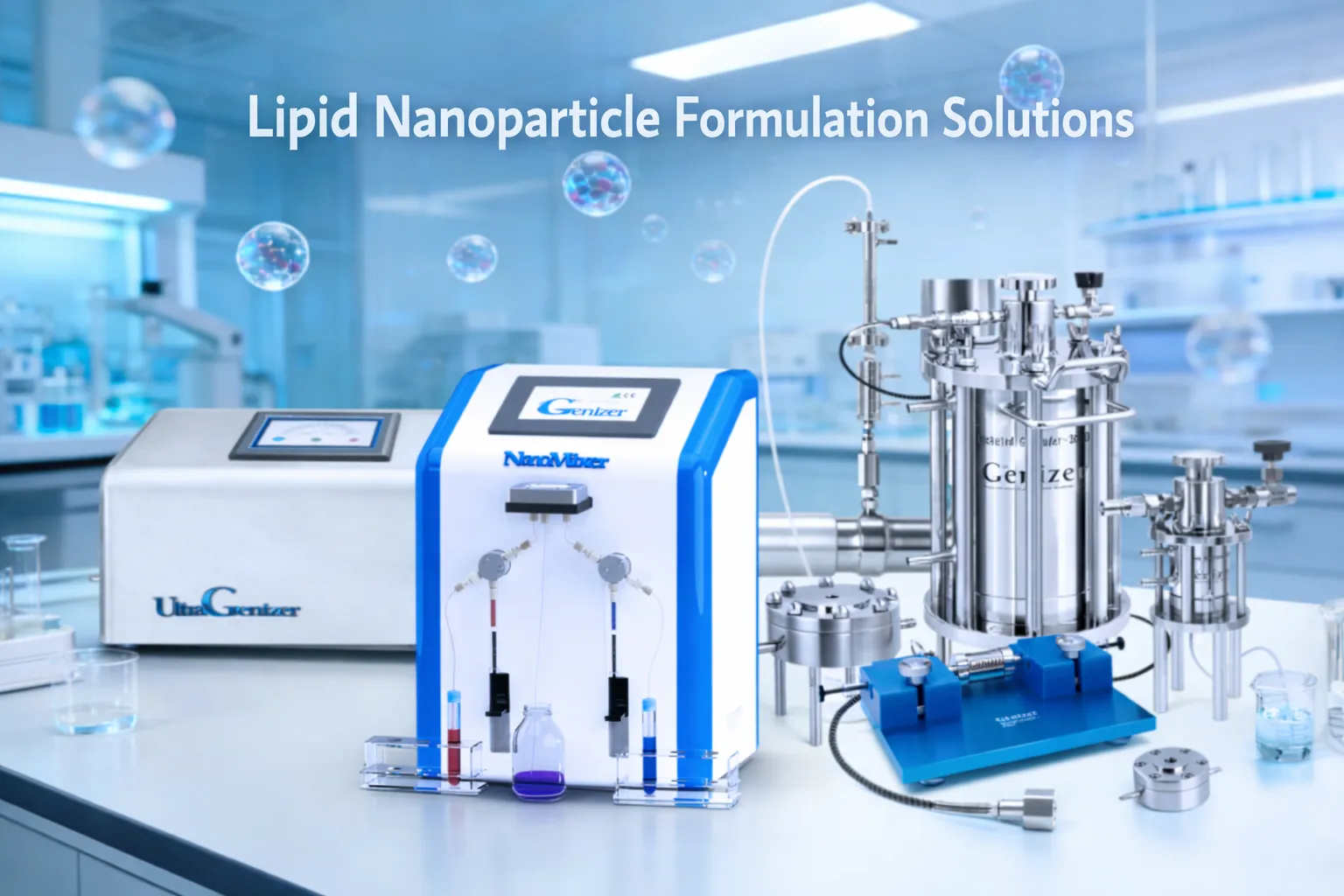

Lipid nanoparticles (LNPs) are rapidly becoming a core technology in modern drug delivery—especially in mRNA vaccines, gene therapy, and targeted therapeutics.
Companies like Genizer are developing advanced platforms to simplify LNP formulation and resizing, helping researchers scale from laboratory experiments to full production with greater consistency and efficiency.
Why Lipid Nanoparticles Are in High Demand
LNPs and liposomes improve drug delivery by:
- Reducing toxicity
- Extending circulation time
- Enhancing stability of sensitive compounds
These advantages have already led to approvals from the U.S. Food and Drug Administration and the European Medicines Agency. More importantly, LNPs proved their global impact through the Moderna COVID-19 vaccine, driving explosive growth in nanomedicine research.
Key Technologies for LNP Formulation
1. Microfluidic Mixing
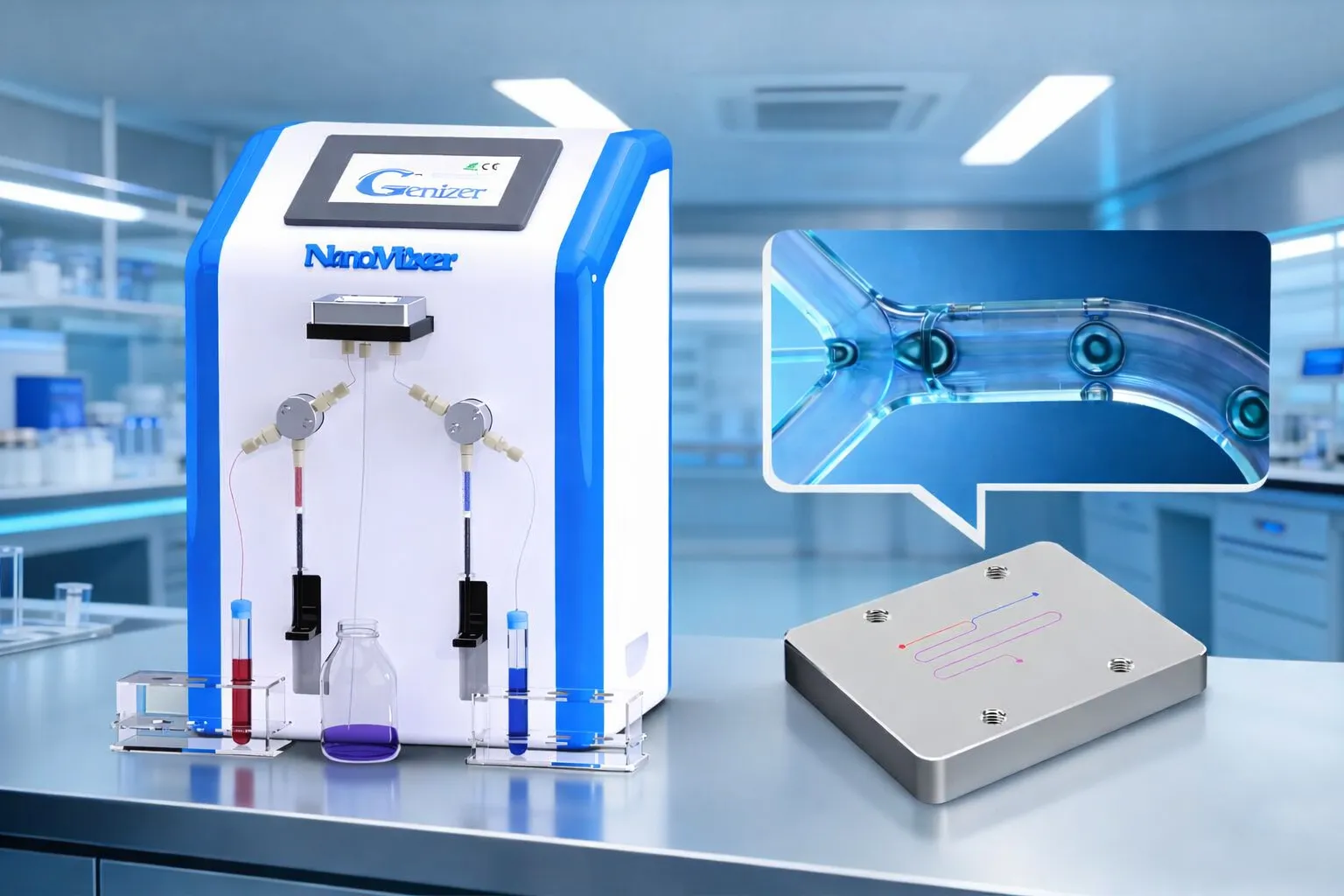
Microfluidic platforms enable precise and reproducible nanoparticle formation. Systems like NanoMixer create uniform LNPs with tight size distribution—critical for research and scalable manufacturing.
2. Particle Size Control
Particle size directly affects delivery efficiency. Common methods include:
- Extrusion (high precision)
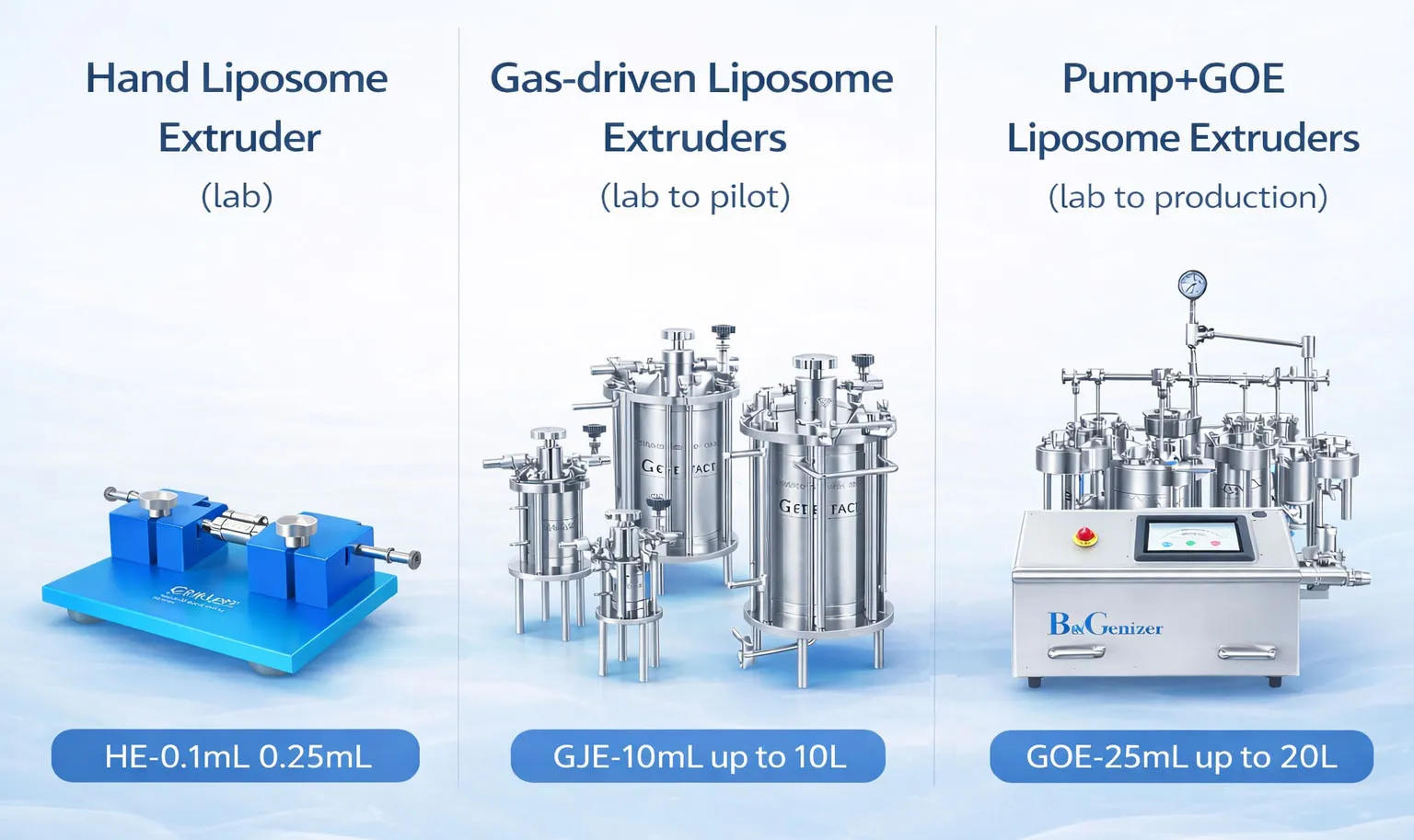
- Sonication (lab-scale flexibility)
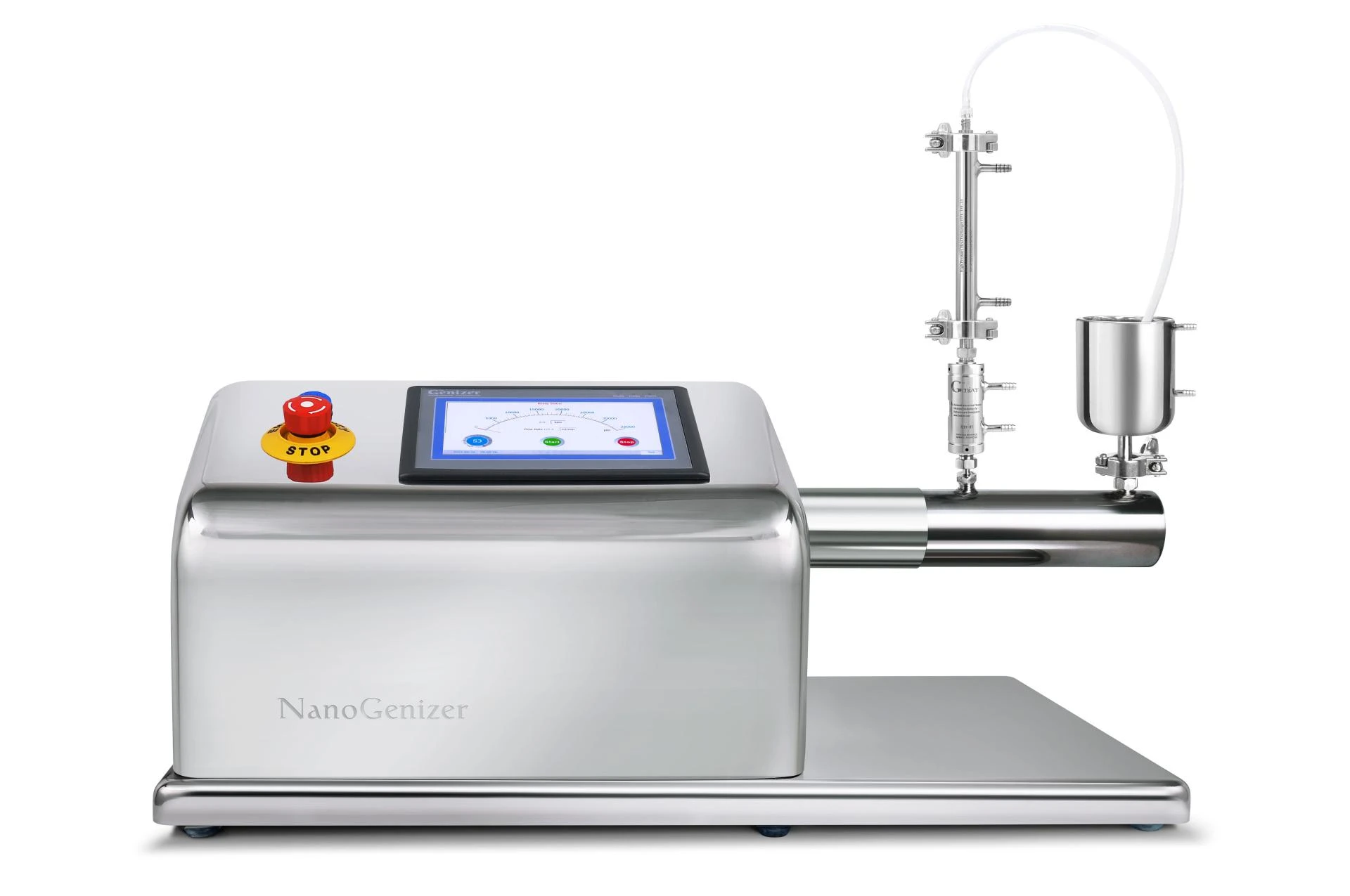
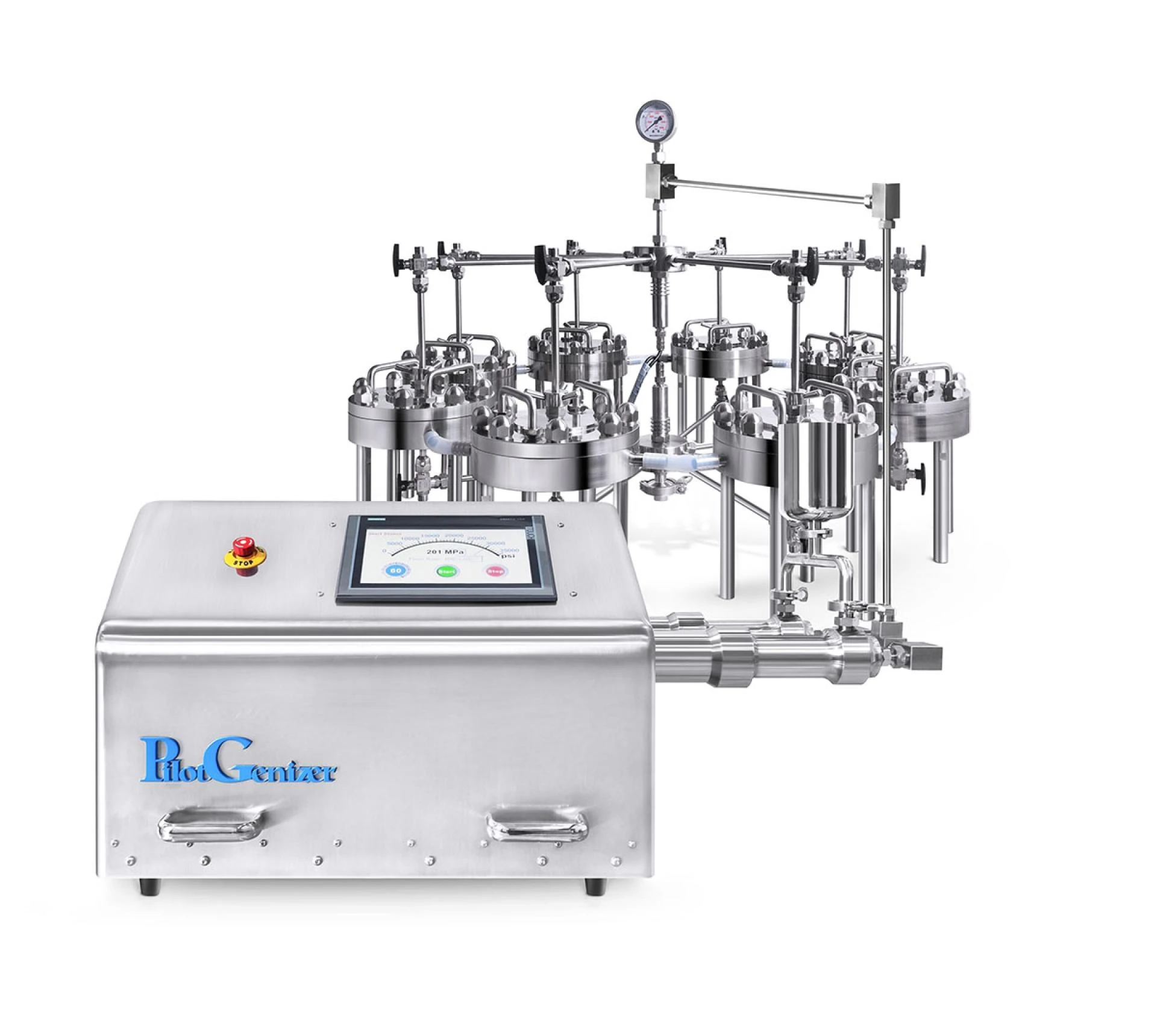
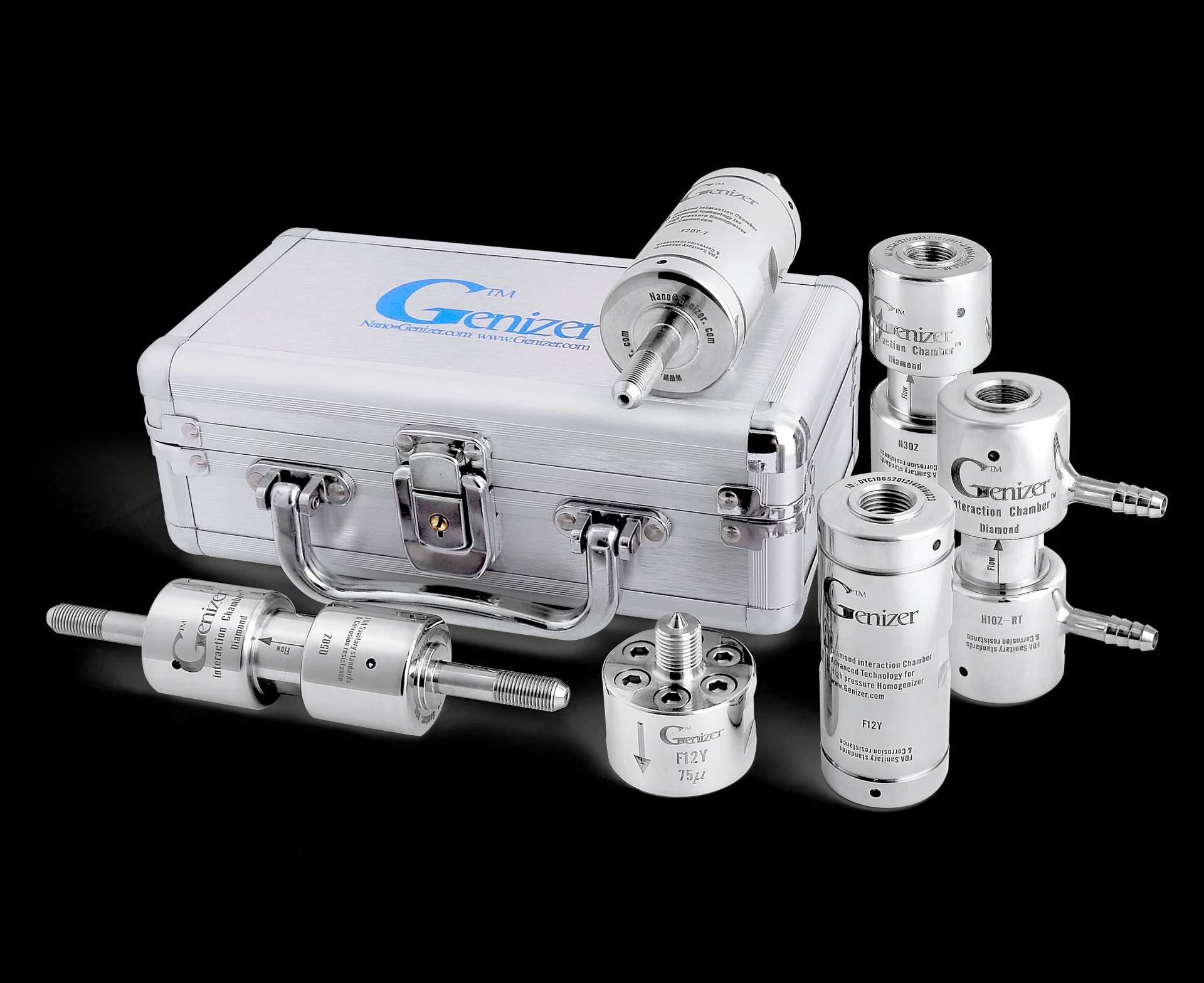
- High-pressure homogenization (industrial scale)
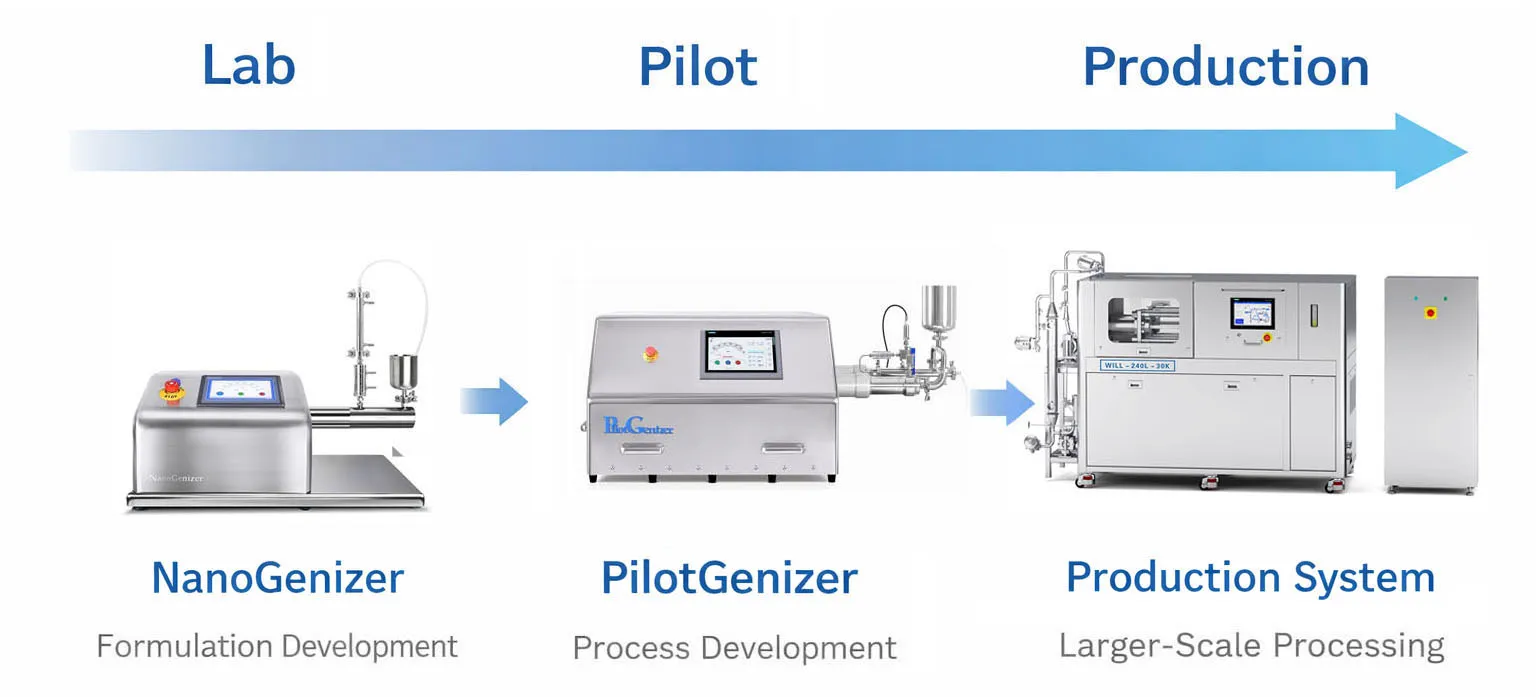
Extrusion provides fine control over nanoparticle size, while homogenization supports high-throughput production—often reaching pressures up to 60,000 psi.
Why Particle Size Matters
LNPs are typically engineered between 50–450 nm.
- Smaller particles → better cellular uptake
- Larger particles → higher drug loading capacity
Optimizing this balance is essential for achieving targeted and efficient drug delivery.
The Future of Nanomedicine
With growing demand for mRNA therapeutics and precision medicine, scalable LNP formulation technologies are becoming increasingly important.
From microfluidic systems to high-pressure homogenizers, advanced tools are enabling faster development, better reproducibility, and smoother scale-up—key factors for success in today’s pharmaceutical landscape.


























Sign in to leave a comment.