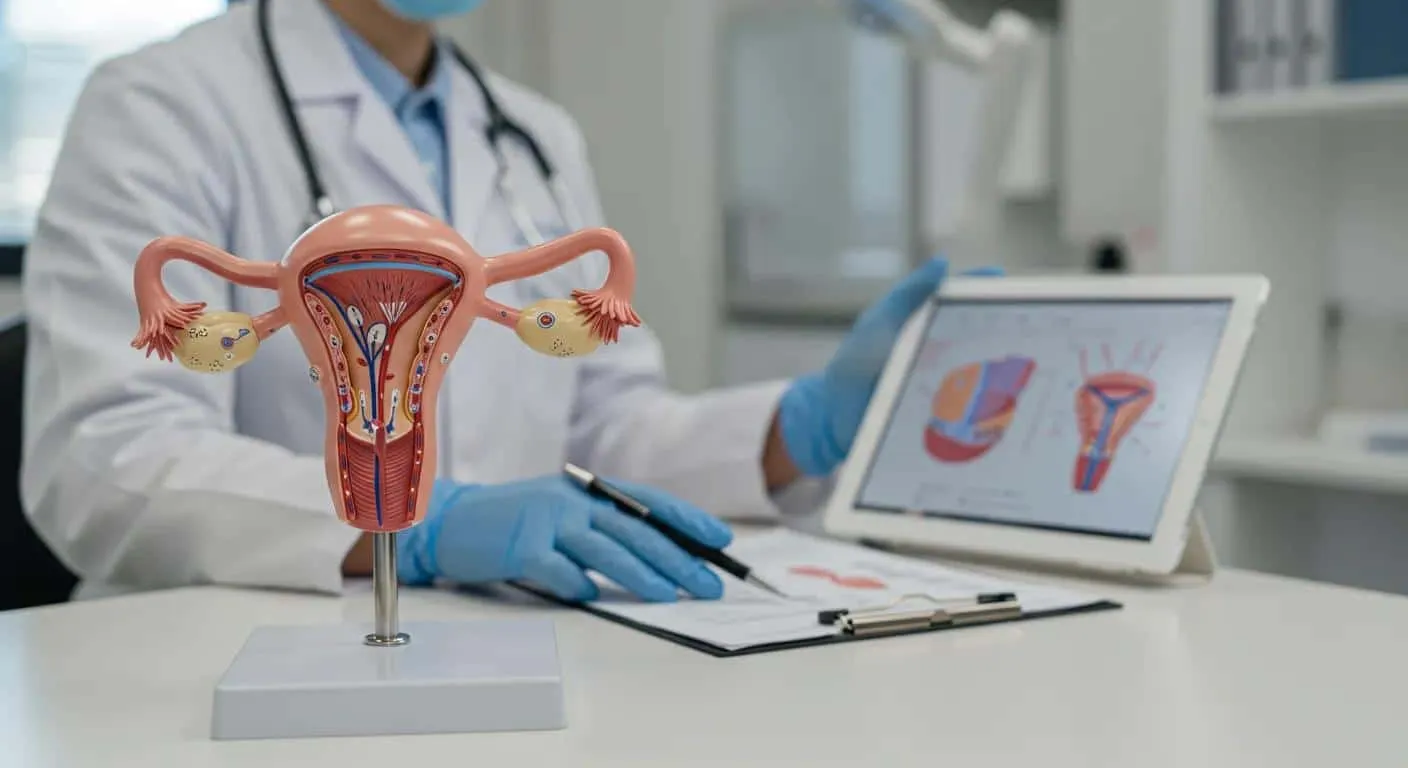

Most women do not think about egg quality until fertility treatment becomes part of their lives. For many, the conversation starts after hearing medical terms such as "low AMH" or "diminished ovarian reserve" during routine checkups. Some start to question after IVF treatments fail, when their embryos do not develop as they expected, or after months of trying to conceive without any result. At that point, the focus often shifts from simply producing eggs to improving their ability to support a healthy pregnancy.
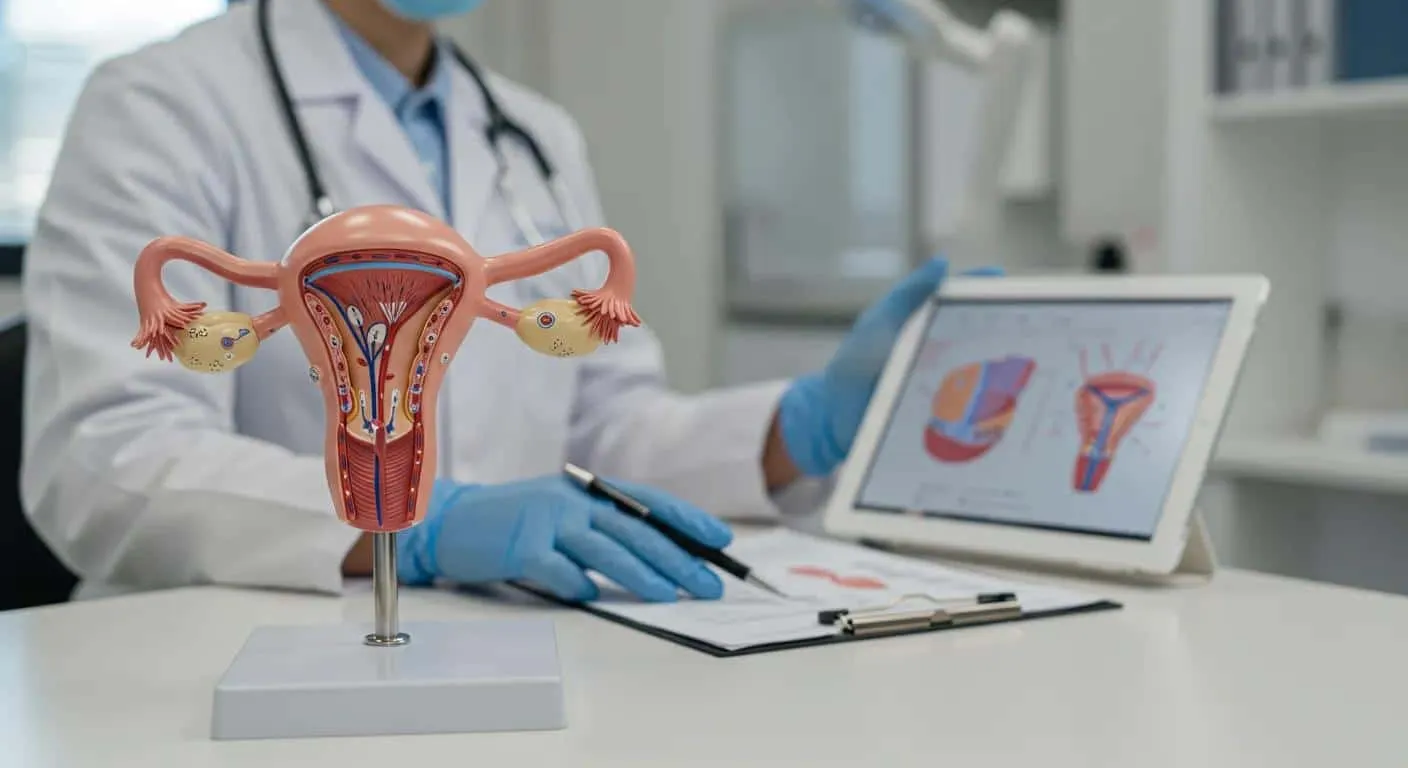
That's one of the reasons there's increased interest in regenerative fertility treatments today. One of them, ovarian PRP therapy, is a growing subject in reproductive medicine.
Though still regarded as emerging, many women exploring more advanced fertility options want to know if the treatment could potentially improve their egg quality and ovarian function before undergoing another IVF cycle.
Although no single treatment can guarantee pregnancy, early studies on ovarian platelet-rich plasma are sparking new discussions about ovarian health, particularly among women who are facing age-related declines in fertility and poor ovarian response.
What Is Ovarian PRP Treatment?
Ovarian PRP therapy is a regenerative procedure using platelet-rich plasma from a patient's blood. Once the blood sample is drawn, the plasma is separated from the blood and concentrated to remove platelets that are rich in growth factors and proteins that promote healing. This platelet-rich plasma is then injected into the ovary with the help of ultrasound guidance.
The concept of this strategy is simple. Platelet-rich plasma provides growth factors that can help to repair tissue, enhance blood supply, and encourage cell activity within the ovary. These regenerative effects may help stimulate ovarian activity and support the surrounding ovarian environment
PRP’s been used in orthopaedics, sports medicine, and even cosmetics, but it’s still new in reproductive medicine.
Why Egg Quality Matters in Fertility
Egg quality plays a big role in fertilization, how embryos develop, implantation, and, eventually, whether someone has a reproductive outcome. The number and quality of eggs naturally decrease as women get older. It is more prominent after age 35 and may get faster as early as the 40s.
Poor egg quality is commonly associated with:
- Failed IVF cycles
- Low embryo development rates
- Recurrent miscarriage
- Diminished ovarian reserve
- Age-related fertility decline
Even if ovarian reserve testing indicates that the woman does have eggs remaining, the quality of the eggs is also a factor in having a healthy pregnancy. There are supportive fertility treatments that many women try before undergoing IVF.
Can Ovarian PRP Treatment Improve Egg Quality?
So that's where things get a bit more complicated.
PRP ovarian rejuvenation is not a cure for infertility or an alternative to IVF at the present time. Some reproductive specialists, however, state that they can help women with low ovarian reserve or poor response to fertility medications.
In some instances, patients had the following:
- Better follicle growth
- Improved ovarian response during IVF cycles
- Retrieval of mature eggs after previous poor response cycles
- More regular menstrual cycles
- Changes in hormone markers such as AMH
The research indicates that these changes are linked to the growth factors found in PRP in some way. They can help improve the circulation of blood to the ovarian tissue and may stimulate the activity of the cells, possibly creating a more nutritious environment for the growth of ovarian follicles.
But fertility experts avoid making absolute claims about the results. Some women may benefit from treatment, others may not. Fertility is predominantly influenced by age, hormone levels, ovarian reserves, and overall reproductive health.
For those women who feel they may have only a few options remaining, ovarian platelet-rich plasma may be considered a treatment that may be discussed, but is not a guarantee.
Who May Be a Candidate for Ovarian PRP?
Ovarian PRP is not appropriate for all patients with fertility issues. It is recommended for women who have a low ovarian response or a low IVF response. Candidates could be women who:
- Have low AMH levels
- Experience diminished ovarian reserve
- Have experienced failed IVF attempts
- Are experiencing age-related fertility decline
- Have premature ovarian insufficiency
- Want to explore additional fertility support options before donor eggs
Your medical history, ultrasound results, and hormone levels will also be taken into account prior to treatment to determine your general reproductive condition.
What Does the Procedure Involve?
This is a relatively non-invasive procedure and is done on an outpatient basis. The patient's blood is drawn first. This platelet-rich plasma is prepared by spinning your blood to isolate the platelets from the other components of your blood.
The ultrasound is then used to guide the PRP into the ovaries. Mild sedation can be provided as appropriate for the patient and clinic.
The majority of patients are discharged the same day and can return to their normal lives within a few days. Women can have IVF performed a few weeks or months after treatment to check the response.
What Are the Limitations of PRP for Fertility?
One of the reasons why patients need a simple and honest discussion about the process of ovarian PRP treatment is that the experience can be emotionally draining. Most women aren’t looking for promises that feel too heavy and exaggerated. They want clear information, reasonable expectations, and guidance that is practical.
Ovarian platelet-rich plasma is a topic of ongoing research. Initial results have been encouraging, but further intensive clinical trials are needed to better understand the long-term fertility consequences and optimal patient selection.
It’s also important to know that the PRP won’t stop the process of ovarian aging and will not fully bring back fertility. It all depends on the patient. Some show better responses than others.
However, thorough fertility testing is still recommended. The likelihood of achieving a conception is affected by the level of hormones, the state of the uterus, the quality of embryos, age, and reproductive history.
How PRP Fits Into Modern Fertility Care
In the context of individualized reproductive care, regenerative fertility therapies are becoming more of a part of the conversation. PRP can be used in conjunction with IVF and other assisted reproduction procedures, rather than replacing them.
This option might be an alternative to consider for women who have poor ovarian response or multiple unsuccessful cycles, depending on the situation and in consultation with a fertility specialist. In some cases, it is done to make the ovary respond better before undergoing IVF, which can increase the number of usable eggs retrieved during IVF.
Final Thoughts
Making decisions about fertility treatment is rarely something that one makes alone, particularly when egg quality comes into consideration. For many women who are delving into the advanced fertility care options, it's not necessarily about the bold promises. They want to find knowledge-based choices that can increase their odds of success before they resort to more intense options.
That’s why the popularity of ovarian PRP treatment is still rising.
While the science is still developing, ovarian PRP is now emerging as part of a more personalized and regenerative approach to fertility treatment. It can also provide an alternative treatment option for women who have experienced multiple IVF failures or who may have experienced a decline in ovarian reserve due to age.
The key is to get clear discussions about expectations, candidacy, and reproductive health in general. When deciding on newer treatments, a personalized fertility plan will be created based on careful evaluation and realistic goals, providing patients with clarity.
If a woman is interested in ovarian platelet-rich plasma before undergoing another IVF cycle, consulting a fertility expert who has experience in the treatment is likely to help them decide if it could be a suitable option for their fertility journey.























Sign in to leave a comment.