
Cell disruption, also called cell lysis, is the process of breaking open cells to release valuable components such as proteins, enzymes, nucleic acids, and other intracellular biomolecules. This process is essential for applications including protein and enzyme extraction, vaccine and biologic production, metabolite or nanoparticle recovery, and general research.
Breaking cells is not always simple. Tough cell walls in bacteria, yeast, or plant cells can resist lysis. Heat-sensitive biomolecules may be damaged by excessive shear or friction. Incomplete or inconsistent lysis reduces yield and reproducibility, and methods that work in the lab often face challenges when scaled up to pilot or industrial production.
Genizer’s cell disruption technology addresses these challenges with controlled, efficient, and scalable solutions. By delivering consistent shear forces, it achieves high cell rupture while producing large cell fragments that simplify downstream processing. Real-time cooling protects sensitive proteins and enzymes, ensuring high yields with minimal waste and time.
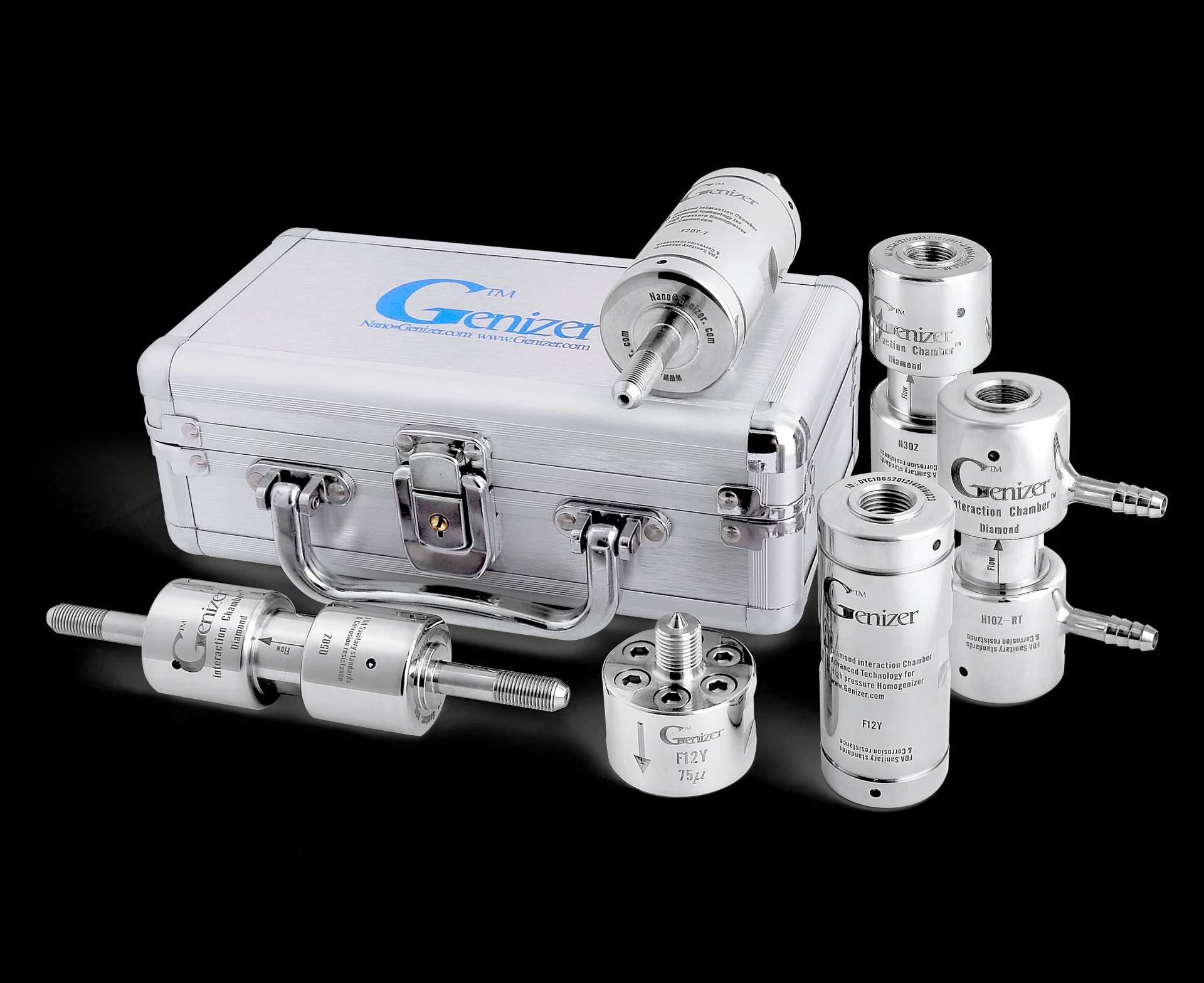
High-pressure homogenization is one of the most effective methods. In this process, cells are forced through a precision-engineered interaction chamber at high pressure. Shear, turbulence, and cavitation break open the cells while preserving the integrity of their contents. This method works for a wide range of cells, including mammalian, insect, bacterial, yeast, algae, and fungal spores. Using a real-time (RT) cooling chamber ensures gentle yet efficient disruption, maintaining the activity of sensitive biomolecules.
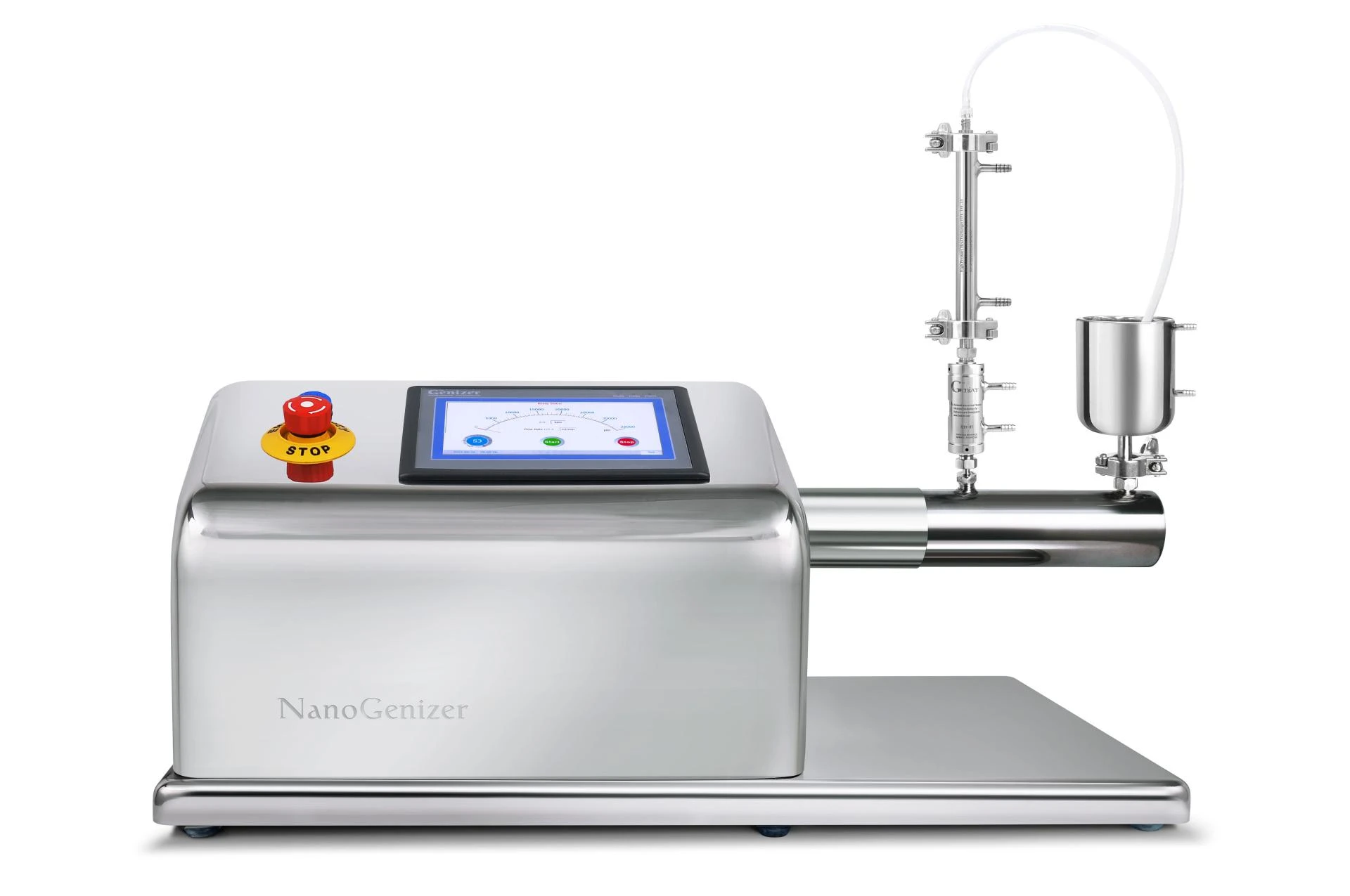
For example, E. coli cells processed with the NanoGenizer 30K using an RT chamber at 4°C, with 3–5 passes at 15,000 psi, achieved near-complete cell disruption (>99.99%). Protein extraction yields were consistent across multiple passes, demonstrating controlled and efficient lysis under optimized conditions.
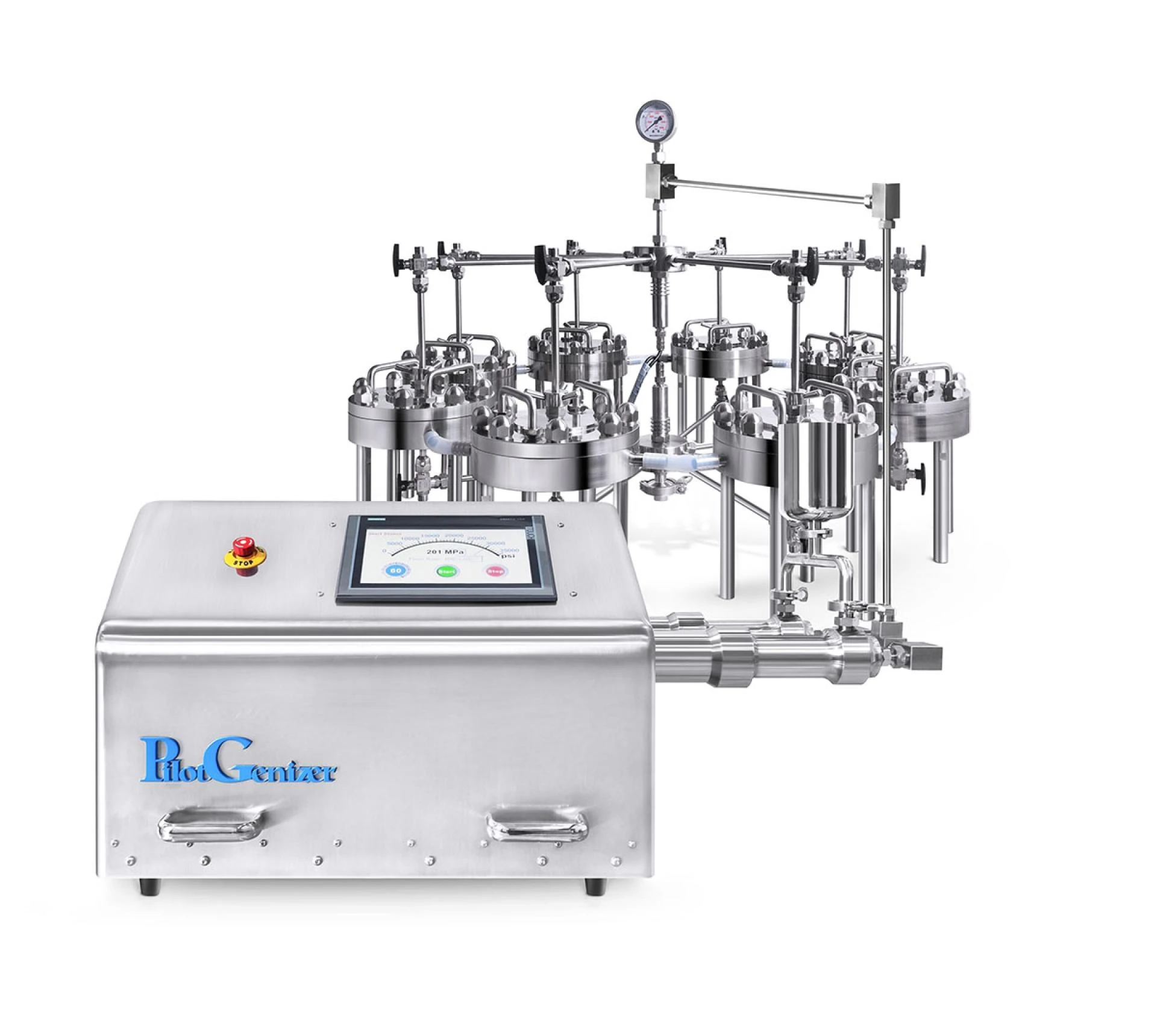
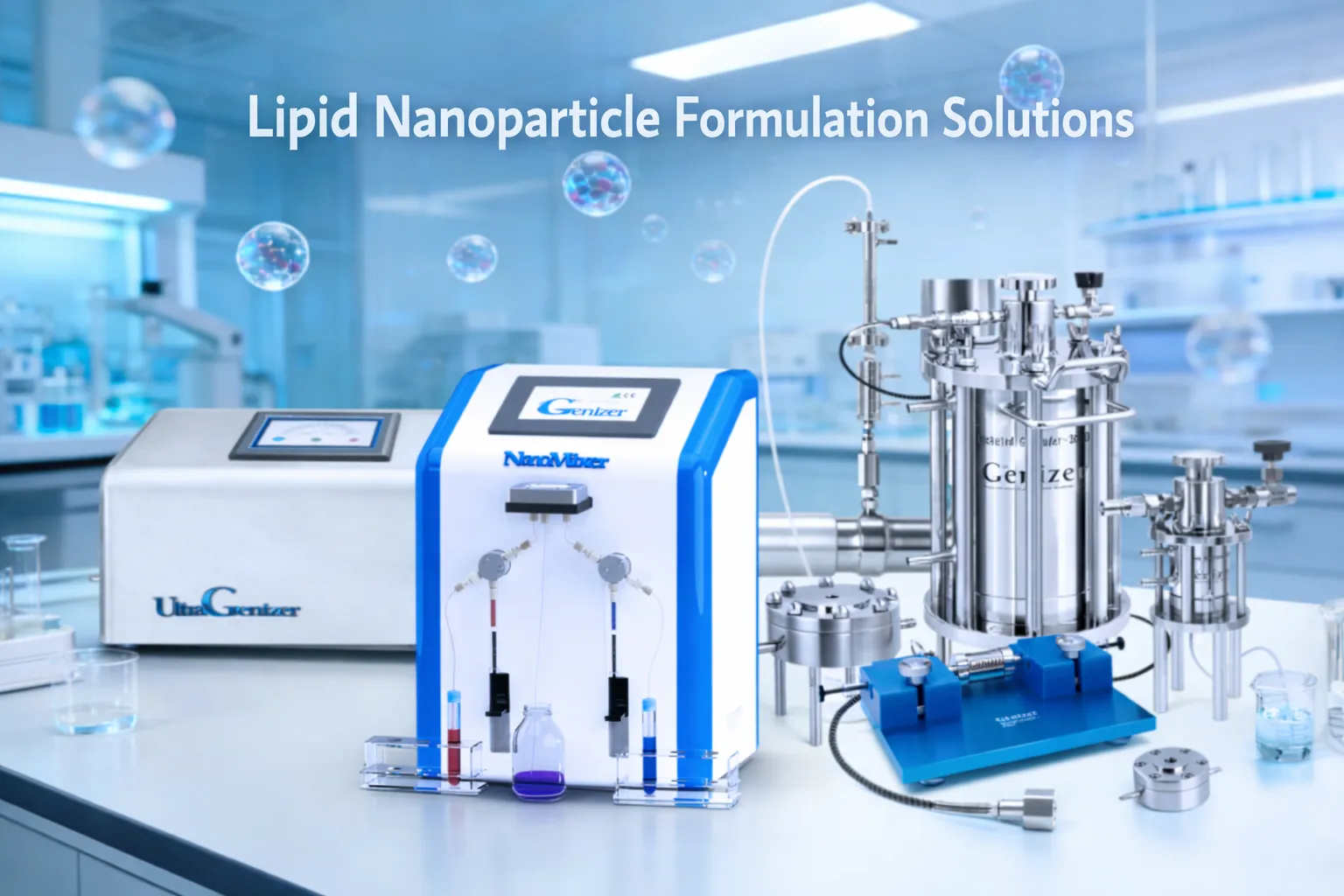
Genizer offers a full range of high pressure homogenizers to meet different needs: lab-scale (NanoGenizer, MixGenizer), pilot-scale (PilotGenizer), and manufacturing-scale (WILL Series). These systems provide flexible processing volumes, reproducible results, and excellent preservation of biomolecules, supporting applications from research through to full-scale production.






















Sign in to leave a comment.