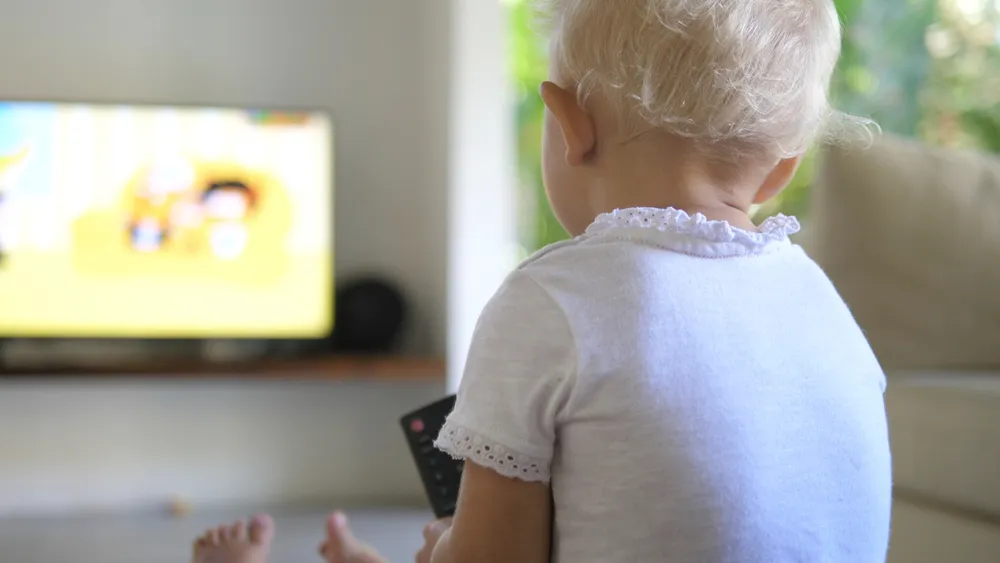

Keeping preschoolers engaged during learning is one of the biggest goals of early childhood education. Young children learn best when activities capture their curiosity, encourage exploration, and make learning enjoyable. Because their attention spans are still developing, educators and parents benefit from using creative methods that combine education with play, movement, and storytelling.
Educational programs such as Maddie & Triggs on Vme Kids introduce preschoolers to engaging stories, music, and interactive experiences that support early learning while holding their attention. Combining entertaining content with educational activities helps children remain motivated and encourages a positive attitude toward learning.
Why Engagement Matters in Early Childhood Learning
The preschool years are a critical stage of cognitive, social, emotional, and language development. Children who are actively engaged are more likely to retain new information and develop problem-solving skills.
Benefits of engaged learning include:
- Improved attention and concentration
- Stronger communication skills
- Better memory retention
- Increased creativity
- Greater confidence in learning
- Enhanced social interaction
Creating enjoyable learning experiences helps children build a strong educational foundation.
Encourage Learning Through Play
Play-based learning allows preschoolers to explore new concepts naturally while developing essential life skills.
Popular learning activities include:
- Building with blocks
- Pretend play
- Matching games
- Sorting activities
- Outdoor exploration
- Sensory play
These activities encourage curiosity while helping children practice critical thinking and communication.
Use Music and Storytelling
Songs, rhymes, and stories capture children's attention while supporting language development and listening skills.
Interactive storytelling encourages preschoolers to:
- Predict story outcomes
- Ask questions
- Build vocabulary
- Improve comprehension
- Develop imagination
Music also helps reinforce routines, memory, and early literacy concepts.
Create Hands-On Learning Opportunities
Young learners often understand concepts more effectively when they can actively participate.
Hands-on experiences may include:
- Arts and crafts
- Science experiments
- Nature exploration
- Counting objects
- Shape and color recognition
- Puzzle-solving activities
Interactive learning keeps children involved while strengthening fine motor and cognitive skills.
Choosing Educational Content for Young Learners
Selecting age-appropriate educational media can complement classroom and home learning. Programs designed specifically for preschool audiences often combine storytelling, music, and relatable characters to reinforce important developmental concepts.
Resources like Maddie & Triggs for Young Learners demonstrate how educational entertainment can introduce early literacy, communication, creativity, and social-emotional learning in an engaging and accessible format.
When balanced with active play and real-world experiences, educational programming can become a valuable part of a child's overall learning routine.
Encourage Social Interaction
Learning alongside peers helps preschoolers develop communication and cooperation skills.
Group activities encourage children to:
- Share ideas
- Practice teamwork
- Build friendships
- Solve simple problems together
- Develop empathy
Positive social experiences also increase confidence in classroom settings.
Keep Learning Activities Varied
Young children benefit from variety throughout the day.
Rotating different types of activities helps maintain interest, including:
- Reading sessions
- Music and movement
- Outdoor play
- Art projects
- Educational games
- Quiet independent activities
A balanced routine supports both active engagement and focused learning.
Active Learning vs. Passive Learning
| Active Learning | Passive Learning |
| Encourages participation | Primarily observation |
| Builds problem-solving skills | Limited interaction |
| Supports creativity | Less hands-on exploration |
| Promotes communication | Minimal engagement |
| Increases knowledge retention | Lower long-term retention |
FAQ
Why is engagement important for preschoolers?
Engaged children are more likely to develop strong cognitive, language, social, and emotional skills while enjoying the learning process.
What types of activities keep preschoolers interested?
Play-based learning, storytelling, music, arts and crafts, outdoor exploration, and educational games all help maintain engagement.
Can educational media support preschool learning?
Yes. High-quality educational programming can reinforce important developmental concepts when used alongside interactive learning experiences.
How long should preschool learning activities last?
Short, varied activities are generally more effective because preschoolers have developing attention spans.
How can parents encourage learning at home?
Reading together, exploring nature, singing songs, playing educational games, and involving children in everyday activities all create valuable learning opportunities.
Conclusion
Keeping preschoolers engaged while learning requires a thoughtful balance of creativity, interaction, and age-appropriate activities. Play, music, storytelling, hands-on experiences, and quality educational resources all contribute to meaningful early learning experiences. By creating environments that encourage curiosity and active participation, parents and educators can help young children develop a lifelong love of learning.
























Sign in to leave a comment.