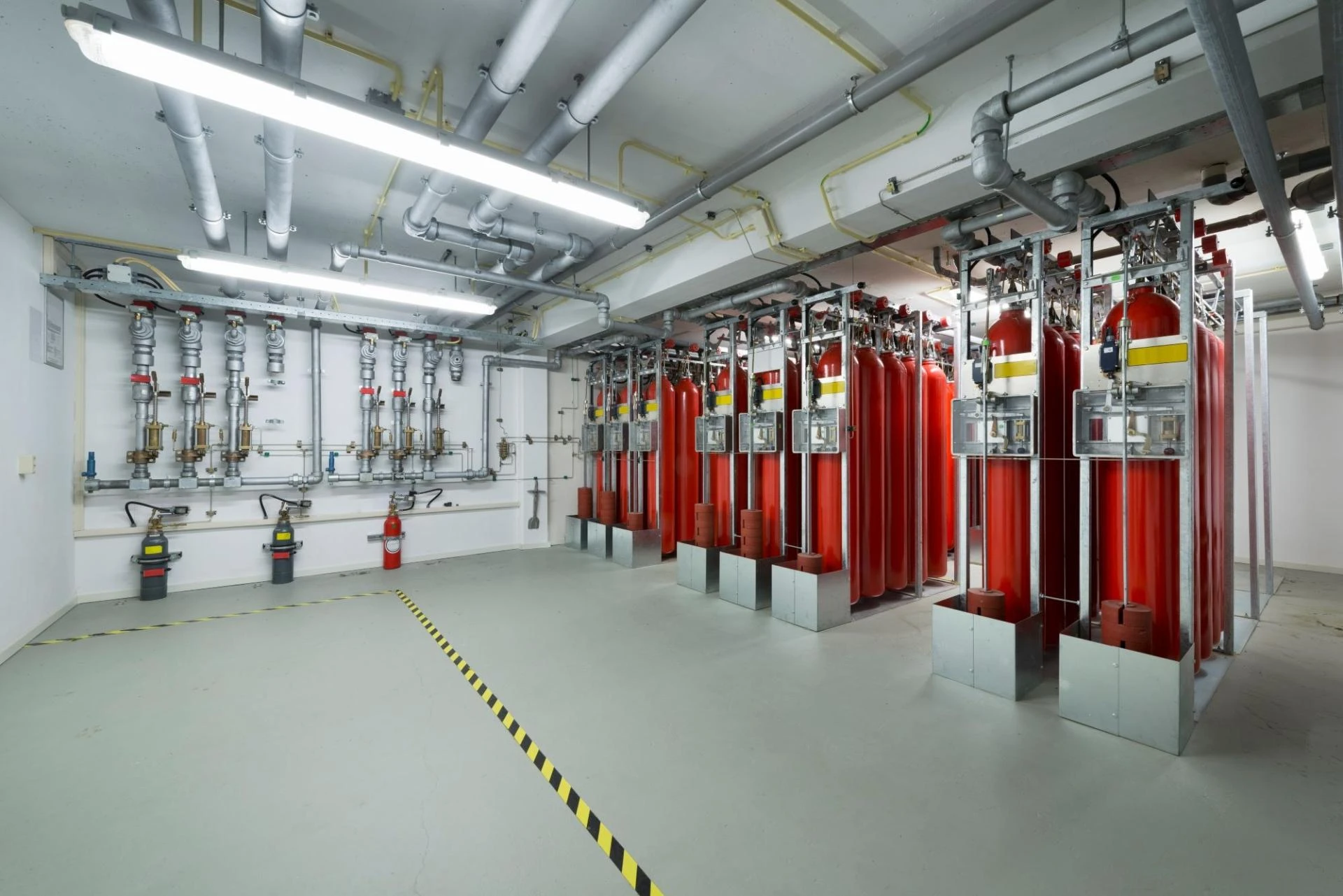

In today’s rapidly evolving industrial landscape, safety is no longer treated as a secondary operational concern. Instead, it has become a core pillar of sustainable growth, workforce protection, and long-term business resilience. Industrial facilities now operate with complex machinery, high electrical loads, flammable substances, and continuous production cycles, all of which elevate fire-related risks. This makes a structured and forward-thinking approach to industrial fire and safety essential rather than optional.
Industrial fire and safety begins with understanding that every facility has unique risk variables. Manufacturing plants, logistics hubs, warehouses, and processing units all face different exposure levels depending on materials used, layout design, and operational intensity. A standardized solution rarely works in such environments. Instead, tailored systems that account for site-specific hazards help reduce vulnerabilities and ensure faster response during emergencies.
Modern safety strategies increasingly rely on technology-driven prevention. Advanced fire detection systems now include intelligent sensors capable of identifying heat patterns, smoke density, and flame characteristics in real time. These systems are designed to detect anomalies at the earliest stage, long before a fire can spread. When implemented as part of a professionally designed industrial fire and safety framework, such technologies significantly reduce downtime and potential losses.
Equally critical is the integration of fire safety systems with broader building and facility management infrastructure. Fire alarms, suppression mechanisms, ventilation controls, and access systems must work together in a synchronized manner. This integrated approach ensures that once a threat is detected, automated responses such as equipment shutdowns, smoke control activation, and guided evacuation procedures occur without delay. This level of coordination is particularly important in large-scale industrial facilities where response time directly impacts outcomes.
Another often overlooked aspect of industrial fire and safety is lifecycle management. Safety systems are not “install and forget” assets. They require periodic inspections, performance testing, and upgrades to remain effective. Environmental factors, equipment aging, and operational changes can all affect system reliability. Organizations that invest in routine audits and preventive maintenance significantly reduce the risk of system failure during critical moments.
Beyond systems and technology, people play a vital role in industrial fire safety. Employee awareness, training programs, and clearly defined emergency roles strengthen on-ground response capabilities. Regular drills ensure that personnel understand evacuation routes, alarm signals, and safety protocols. When employees are confident and informed, panic is minimized and evacuation efficiency improves during real emergencies.
From a business perspective, strong industrial fire and safety practices also contribute to regulatory compliance and financial stability. Industries that proactively meet safety standards face fewer disruptions from inspections, penalties, or insurance complications. More importantly, they demonstrate a commitment to employee well-being and operational responsibility, which strengthens stakeholder confidence.
Companies such as I Focus Solutions approach industrial fire and safety with this holistic mindset. By aligning advanced technology, system integration, compliance requirements, and human preparedness, they help industries move beyond reactive safety measures toward proactive risk management.
Key elements of an effective industrial fire and safety strategy typically include:
- Comprehensive risk assessments based on facility operations
- Intelligent fire detection and suppression systems
- Seamless integration with building management systems
- Regular inspections, audits, and preventive maintenance
- Employee training and emergency preparedness initiatives
In conclusion, industrial fire and safety is no longer just about protecting infrastructure—it is about safeguarding people, continuity, and credibility. Industries that invest in intelligent, integrated, and well-maintained safety systems create environments that are not only compliant but also resilient and future-ready. By adopting a structured approach and partnering with experienced solution providers, organizations can transform fire safety into a strategic advantage rather than a reactive necessity.





















Sign in to leave a comment.