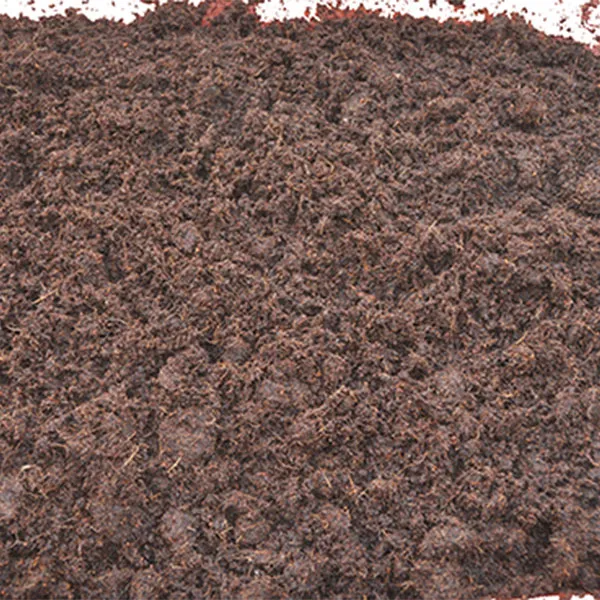

Commercial horticulture depends on reliable growing media that can support healthy plant development from propagation through production. For decades, peat has been a common ingredient in potting mixes because of its ability to retain moisture and support root growth. However, increasing awareness of environmental sustainability has encouraged growers to consider renewable alternatives that can deliver comparable performance.
One material gaining widespread attention is coir, a natural fiber derived from coconut husks. Used in growing media, coir provides many of the physical characteristics commercial growers need while offering a renewable option for container production, greenhouse cultivation, and soilless growing systems.
Understanding the Challenges of Peat Harvesting
Peat forms naturally in wetlands over thousands of years through the gradual accumulation of partially decomposed plant material. Because this process occurs so slowly, peat is considered a limited natural resource. Harvesting peat requires removing material from peatlands, which are valuable ecosystems that support biodiversity, regulate water, and store significant amounts of carbon.
Concerns about wetland degradation and the long recovery period of peatlands have encouraged many growers and suppliers to evaluate renewable growing media alternatives. While peat continues to be used in many horticultural operations, the industry is increasingly exploring materials that reduce pressure on these sensitive environments.
What Makes Coir a Renewable Alternative?
Coir is produced from coconut husks, an agricultural by-product generated during coconut processing. Rather than requiring the harvesting of long-established natural ecosystems, coir makes use of a renewable resource that is continually produced as part of existing agricultural activities. After processing, the fibers are transformed into growing media suitable for a variety of horticultural applications. Because of its renewable origin, many growers view coir as an environmentally responsible option for modern plant production.
Performance in Commercial Growing
Switching growing media requires careful consideration because commercial growers depend on consistent crop performance. Coir-based growing media offers several characteristics that make it suitable for professional production systems, including:
- Excellent water retention
- Good drainage
- Natural aeration
- Uniform texture
- Strong root support
These physical properties help create a stable environment where plants can establish healthy root systems throughout the growing cycle. Growers can also blend coir with other growing media components depending on crop requirements and production methods.
Supporting Soilless Production Systems
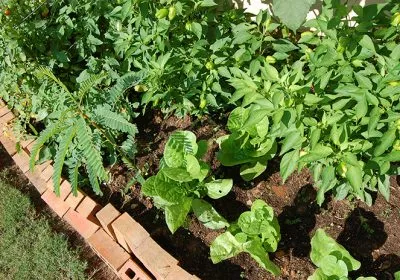
Many commercial horticultural operations rely on soilless growing systems to improve consistency and manage crop production more efficiently. Coir performs well in these environments because it provides physical support for plant roots while allowing growers to manage irrigation and nutrients according to crop needs.
Common applications include:
- Greenhouse production
- Container nurseries
- Vegetable cultivation
- Herb production
- Ornamental plants
- Propagation systems
Its versatility allows growers to adapt growing media formulations for different crops without relying solely on traditional peat-based products.
Water Management Benefits
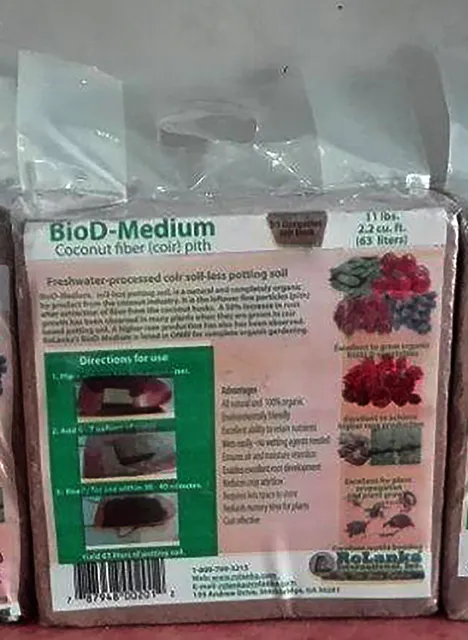
Efficient water use has become an important consideration for commercial growers. Coir's fibrous structure allows it to retain moisture while still maintaining good drainage and airflow around plant roots.
This balance helps create growing conditions that support healthy plant development throughout production. Although irrigation practices always depend on crop type and environmental conditions, growing media with balanced moisture characteristics can contribute to more consistent growing conditions.
Healthy Root Development
Healthy roots are essential for strong plant growth. Growing media should provide sufficient moisture while allowing oxygen to circulate throughout the root zone.
Coir naturally creates air spaces within the growing medium, helping roots expand while reducing excessive compaction over time. Strong root systems support nutrient uptake and overall plant development, making root-zone conditions an important consideration for commercial growers.
Flexibility Across Crops
One advantage of coir-based growing media is its adaptability. Commercial growers cultivate a wide range of crops with different growing requirements.
Coir can be used for:
- Bedding plants
- Flowers
- Shrubs
- Vegetable transplants
- Herbs
- Indoor ornamental plants
- Tree seedlings
Its consistent physical structure allows growers to tailor growing mixes for specific crops while maintaining reliable handling characteristics.
RoLanka International Inc. has been supplying natural coir products since 1993, helping commercial growers, greenhouse operators, landscape professionals, and nurseries find dependable solutions for sustainable cultivation. The company provides free technical assistance and offers high-quality coir growing medium, sustainable erosion control products, environmental restoration materials, and other renewable coir solutions designed to support professional horticulture and environmental responsibility.
Their guiding philosophy remains simple: Do it right the first time and save the environment. Contact this coir products supplier now.
About the Author
The author is a horticulture writer who focuses on sustainable growing practices, renewable cultivation materials, and environmentally responsible agricultural solutions. She enjoys creating practical content that helps commercial growers understand emerging technologies and natural alternatives.


























Sign in to leave a comment.