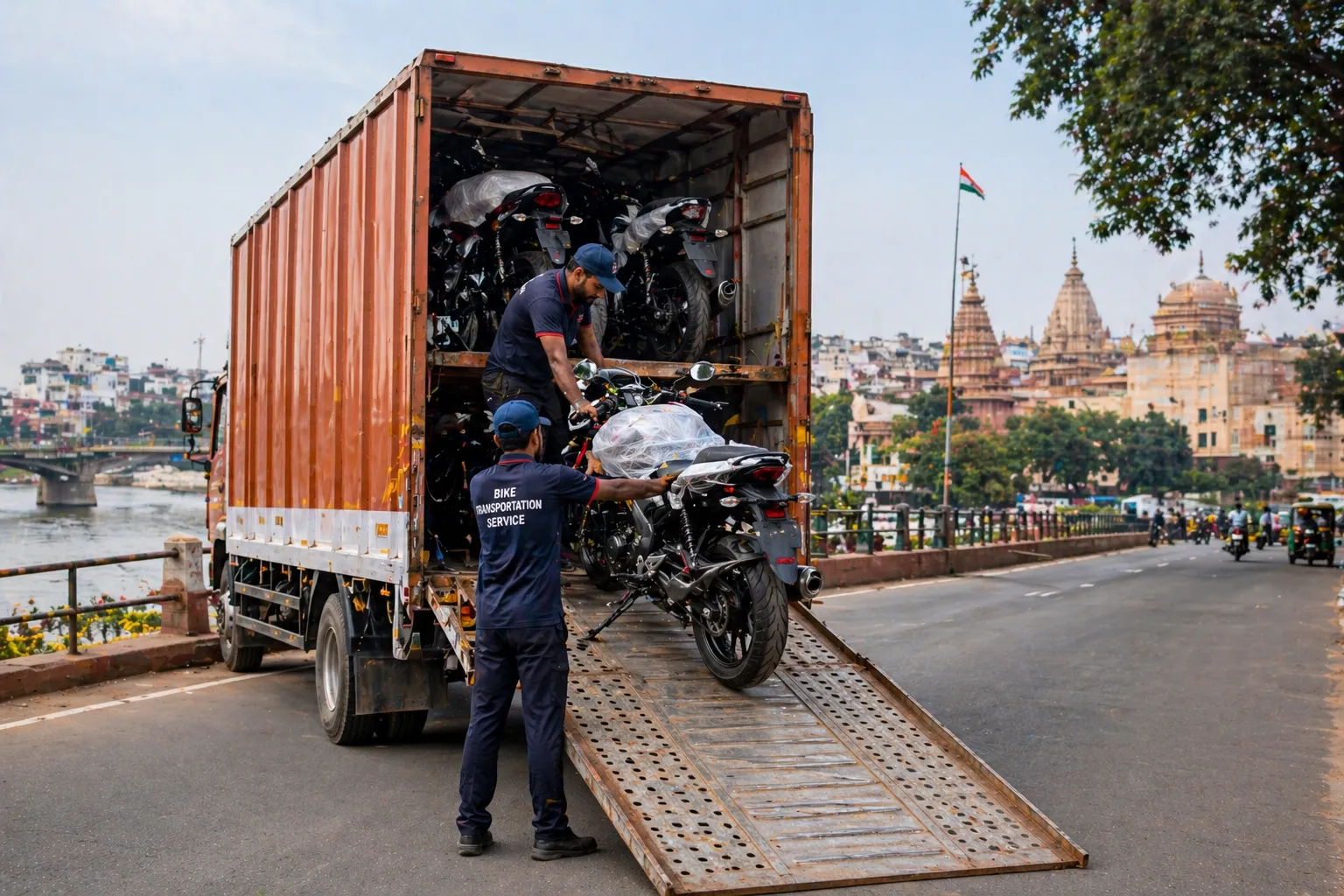

Bike transportation in Bhubaneswar has evolved from a basic relocation service into a structured logistics process driven by demand, urban mobility, and intercity movement. With a growing workforce, student migration, and frequent relocations, two-wheelers remain one of the most commonly transported assets.
However, the system behind bike transport is more complex than it appears—balancing efficiency, cost control, and operational challenges across different modes and distances.
Understanding the Efficiency of Bike Transportation
Efficiency in bike transportation is not just about speed—it involves coordination between pickup, packaging, transit, and delivery. In cities like Bhubaneswar, where logistics infrastructure is improving but still developing, efficiency depends heavily on route planning and handling quality.
Transport providers typically optimize routes based on highway connectivity, traffic density, and delivery clusters. This helps reduce idle time and ensures that multiple bikes can be transported together, lowering per-unit cost.
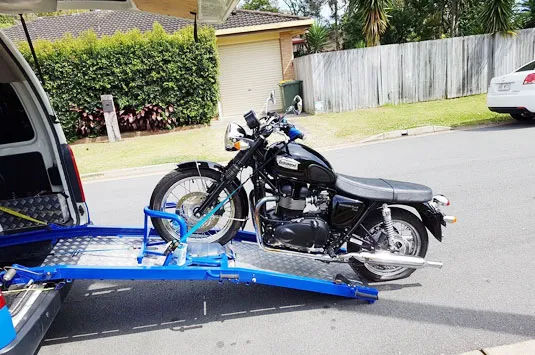
Efficient logistics also relies on proper loading techniques, where bikes are secured using straps and spacing methods to prevent movement during transit.
However, the “last-mile” stage remains one of the least efficient parts of the logistics chain, often contributing to delays and higher costs due to coordination gaps and local accessibility issues.
Cost Structure: What Determines Bike Transport Pricing
The costs of bike transportation in Bhubaneswar are influenced by multiple variables rather than a fixed pricing model. Distance remains the most significant factor, with local transport costing significantly less compared to interstate shifting.
For example, transporting a standard bike within the city can cost around ₹2,500–₹3,000, while moving it to metro cities may range between ₹4,000–₹5,500 or higher depending on service type.
Similarly, pricing varies based on engine capacity. Heavier or premium bikes require additional handling and packaging, which increases costs. For instance, bikes above 250cc can cost substantially more due to their size and weight.
Other key cost components include:
- Packaging materials and labor
- Mode of transport (open carrier, enclosed truck, or train)
- Door-to-door delivery charges
- Insurance coverage
- Seasonal demand fluctuations
This multi-variable pricing model makes it essential for customers to compare options and understand cost breakdowns before booking.
Logistics Flow and Operational Efficiency
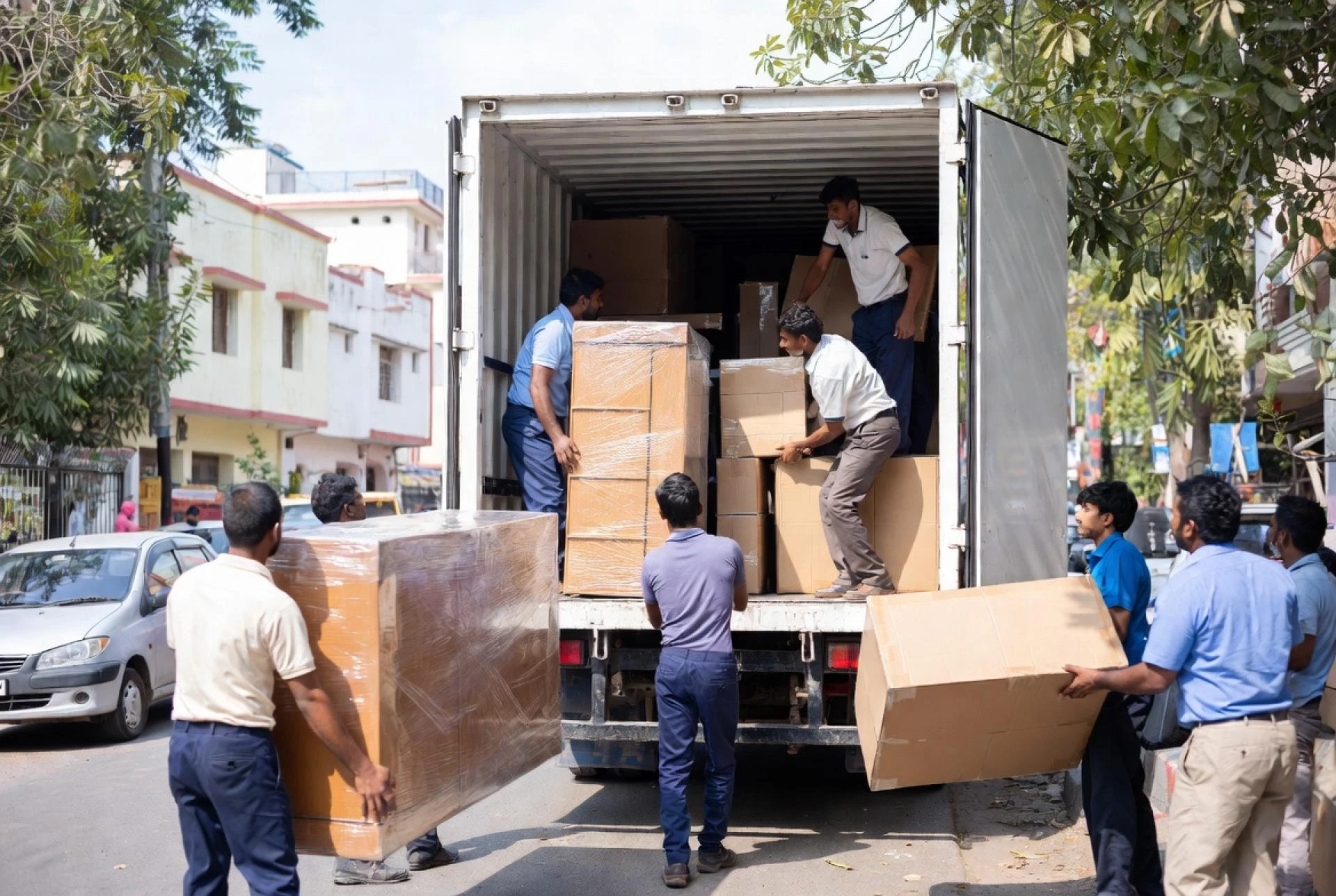
The bike transportation process typically follows a structured sequence: inspection, packing, loading, transit, and delivery. Each stage contributes to overall efficiency and risk management.
- Inspection ensures the bike’s condition is recorded before movement
- Packing protects vulnerable parts like mirrors and fuel tanks
- Loading requires careful positioning to avoid scratches or imbalance
- Transit depends on route optimization and vehicle type
- Delivery involves final inspection and handover
The efficiency of this process largely depends on coordination between teams and adherence to standard handling procedures. Poor execution at any stage can lead to delays or damage, directly impacting service quality.
Real-World Challenges in Bike Transportation
Despite structured systems, bike transportation faces several real-world challenges that affect both service providers and customers.
1. Risk of Damage During Handling
Improper loading or unloading remains one of the most common issues. Even minor mistakes can lead to scratches, dents, or broken components, especially during long-distance transport.
2. Infrastructure and Traffic Constraints
Urban congestion and limited access in certain areas can slow down pickup and delivery. Even with route planning, unpredictable traffic conditions impact timelines.
3. Variability in Service Quality
Not all transport providers follow the same standards. Differences in packing quality, equipment, and staff training create inconsistency in service outcomes.
4. Pricing Transparency Issues
Customers often face confusion due to additional charges like handling fees, packaging costs, or fuel surcharges that are not clearly explained upfront.
5. Mode Selection Challenges
Choosing between road and train transport can be difficult. While train transport may seem cost-effective, it involves risks related to handling and coordination.
Balancing Cost and Safety
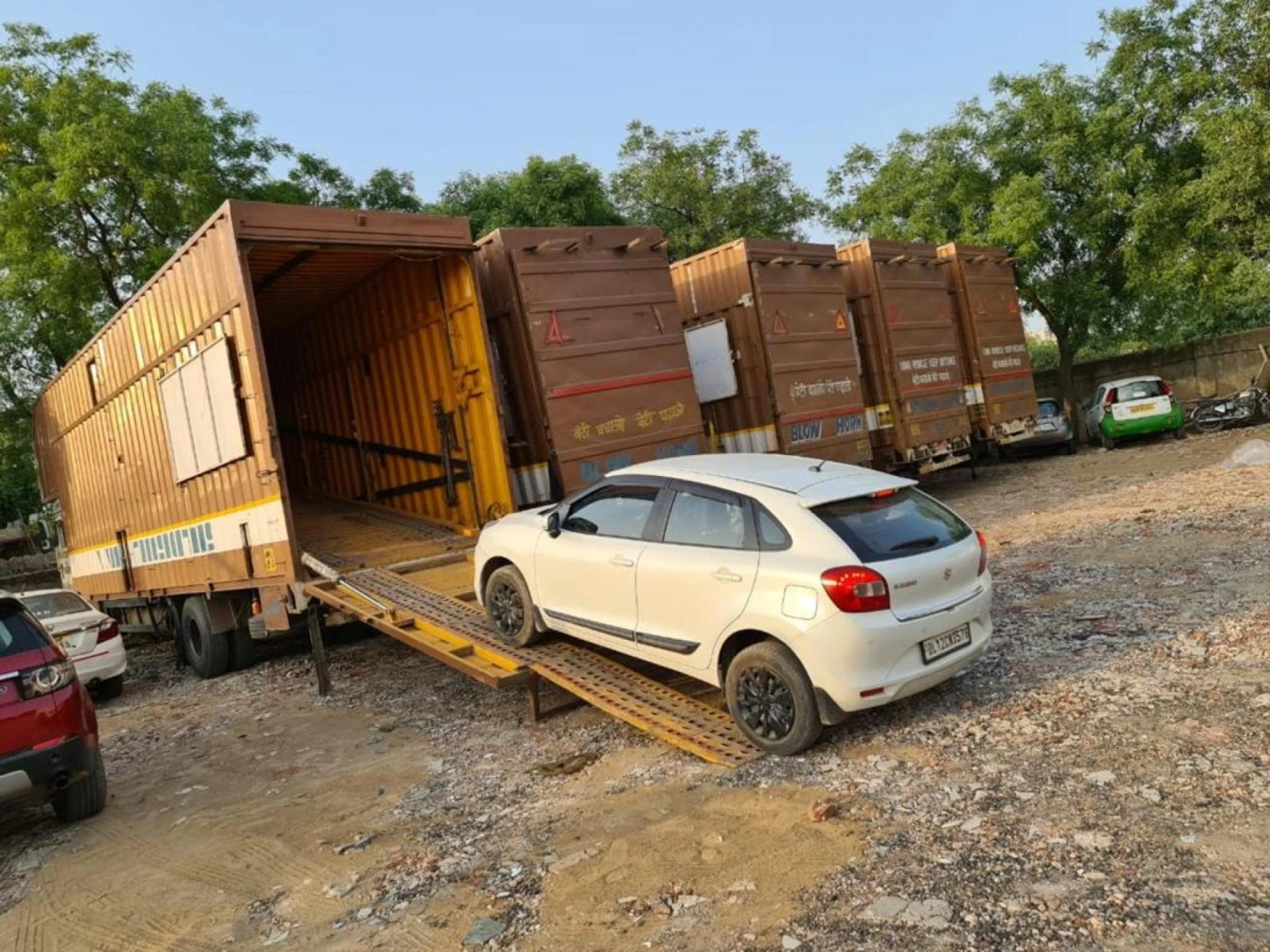
One of the biggest dilemmas for bike transportation in Bhubaneswar is choosing between affordability and safety. Open carriers are economical but expose bikes to dust and weather, while enclosed carriers offer better protection at higher costs.
Customers often opt for cheaper options without considering potential risks, which can lead to higher repair expenses later. On the other hand, premium services with better handling and packaging reduce risk but increase upfront costs.
This trade-off highlights the need for informed decision-making based on distance, bike value, and urgency.
Future Outlook: Improving Bike Transport Systems
The future of bike transportation is closely linked to infrastructure development and technological adoption. Improved road connectivity, such as upcoming highway and bypass projects, is expected to enhance logistics efficiency and reduce transit time.
Additionally, digital platforms are simplifying booking, tracking, and service comparison, making the process more transparent and user-friendly.
Automation in route planning, better packaging materials, and standardized handling practices are likely to further improve efficiency while reducing operational risks.
Conclusion
Bike transportation is a growing logistics segment shaped by urban mobility needs and intercity relocation trends with packers and movers in Bhubaneswar. It is influenced by multiple factors including cost variability, operational efficiency, and real-world challenges.
As infrastructure and service standards continue to improve, bike transportation is expected to become more reliable, efficient, and customer-friendly in the coming years.


























Sign in to leave a comment.