

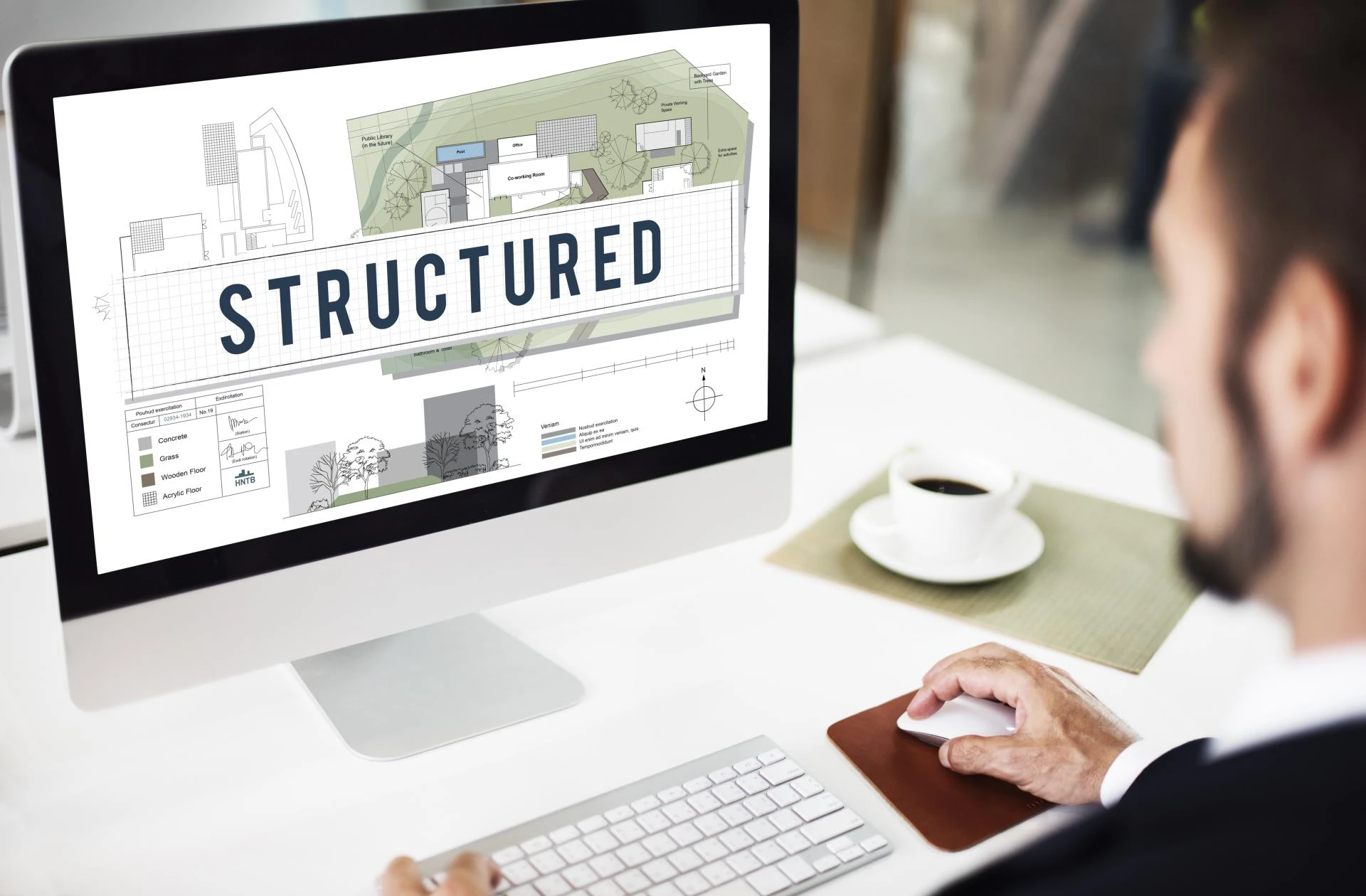
Discover how BIM is transforming structural engineering with smarter modeling, integrated analysis, and data-driven decision-making.
Introduction
Structural engineering is entering a new era and BIM is the engine driving it. What once depended on disconnected drawings, siloed teams, and late-stage problem-solving has transformed into a digital ecosystem where every decision is smarter, every model is clearer, and every structure is stronger.
Building Information Modeling (BIM) reshapes the way engineers design, analyze, and coordinate structures by merging 3D modeling with real-time data, advanced simulations, and multi-disciplinary collaboration. The result? Buildings that aren’t just well-designed, they are safer, more resilient, and engineered with precision long before construction begins.
BIM isn’t just a tool. It’s the new foundation of structural engineering’s future.
What Is BIM in Structural Engineering?
In structural engineering, BIM functions as a dynamic, information-rich digital environment where every beam, slab, column, and connection is modelled with intelligence and intent. Instead of relying on flat 2D drawings, engineers work in a 3D space that integrates geometry, performance data, material properties, and real-world behaviour.
This shift from traditional workflows to BIM-enabled design transforms how structures are conceived and refined. BIM connects everything modelling, structural analysis, interdisciplinary coordination, documentation, and decision-making into a seamless process. Engineers can visualise complex relationships, test structural behaviour, and collaborate with architects and MEP engineering teams using the same living, breathing model.
In short: BIM turns structural engineering into a coordinated, analytical, and data-driven practice, removing guesswork and elevating outcomes.
Why BIM Matters: Key Benefits for Structural Engineering
Error Reduction & Early Clash Detection
One of BIM’s biggest advantages is its ability to detect conflicts long before construction crews show up on-site. By identifying clashes between structural, architectural, and MEP components early, BIM eliminates costly surprises that traditionally surface during construction.
The payoff is substantial: some projects see 20–30% reductions in rework costs, especially in complex, multidisciplinary builds.
Accurate Quantity Takeoffs & Cost Estimation
With BIM, quantities aren’t approximations; they’re extracted directly from the model. Every steel member, every cubic meter of concrete, every bolt and bracket is counted with precision.
This accuracy leads to more reliable budgets, better resource planning, and fewer financial discrepancies during construction.
Code Compliance & Integrated Analysis
BIM integrates structural analysis tools that allow engineers to perform load calculations, strength checks, and compliance verification within the same digital workflow.
Instead of switching between disconnected platforms, structural engineers can ensure their designs satisfy building codes and standards in a streamlined, traceable process.
Enhanced Structural Performance Through Simulations
Using BIM-driven simulations, engineers can evaluate how a structure behaves under wind, seismic forces, dynamic loads, and environmental pressures.
This capability enables the creation of buildings that aren’t just structurally sound they’re resilient, optimized, and tailored to real-world performance demands.
Optimised Material Usage
BIM’s precision modelling reduces waste and avoids overdesign. By understanding exactly how materials contribute to structural performance, engineers can optimise quantities without compromising safety.
The result: leaner, smarter designs that save costs and support sustainability.
How BIM Fits into the Structural Engineering Workflow
3D Modelling of Structural Components
Structural engineers build detailed 3D models of essential components such as beams, slabs, trusses, columns, walls, and foundations. Each element carries data about size, material, behaviour, and performance, forming a digital representation of the physical structure.
Integrated Structural Analysis
BIM platforms can perform analysis directly or integrate with specialised software like ETABS or ideCAD. Loads, forces, stiffness, and structural behaviour are evaluated using the same model, ensuring accuracy and eliminating redundant modelling efforts.
Real-Time Collaboration & Coordination
With a centralised model, architects, engineers, and MEP professionals work from the same source of truth. Updates happen in real time, removing the lag of sequential processes and enabling multiple teams to work in parallel.
This connected workflow drastically improves coordination and reduces project delays.
Performance-Based Design Approach
BIM empowers structural engineers to test multiple design options, different framing systems, material choices, or layouts and evaluate each against performance criteria like strength, stiffness, load distribution, or cost.
This approach doesn’t just refine the design it sparks innovation, pushing projects toward smarter, more efficient outcomes.
Leading BIM & Structural Analysis Software
Autodesk Revit
Autodesk Revit stands as the backbone of BIM-driven structural engineering. Its powerful 3D modelling capabilities allow engineers to create highly detailed, data-rich structural components with precision. Beyond modelling, Revit thrives on multi-disciplinary collaboration, enabling architects, MEP designers, and structural engineers to work within the same coordinated environment.
Revit’s real advantage lies in its seamless integration with structural analysis tools. Engineers can run analytical calculations directly or link to advanced analysis platforms, creating an efficient feedback loop between design and performance.
ETABS
For complex structures that demand rigorous analysis, ETABS remains a trusted industry leader. It excels in advanced load analysis, seismic modelling, and structural optimisation, making it indispensable for tall buildings and irregular geometries.
ETABS is designed to work fluently with BIM platforms, ensuring strong interoperability. Engineers can import and export models effortlessly, streamlining the design-analysis cycle and reducing errors caused by manual re-modelling.
ideCAD
ideCAD specialises in fully integrated steel and concrete structural design, offering tools to handle everything from simple beam systems to sophisticated high-rise geometries. Its strength lies in its ability to model and analyse structures with irregular diaphragms, non-linear behaviour, and complex load paths.
For projects requiring advanced modelling, especially towers, mixed-use buildings, and complex forms, ideCAD provides the analytical depth and BIM connectivity needed to deliver safe, optimised structures.
Tekla Structures
Tekla Structures is synonymous with high-precision steel detailing. Its modelling environment supports fabrication-ready drawings, constructible steel models, and advanced connection detailing.
Whether it’s intricate truss systems or massive beam assemblies, Tekla ensures that every bolt, plate, and member is modelled exactly as it will be fabricated. For contractors and fabricators, Tekla sets the gold standard for reliability and constructability in steel workflows.
Real-World Case Studies: BIM in Action
USA High School Project
In a complex high school development in the United States, engineers used Tekla Structures to model heavy, sloped steel trusses with exceptional precision. The result was a fabrication-ready model that translated directly into shop drawings, ensuring accurate steel production and flawless onsite assembly.
New York Clearwell Tank
For a Clearwell Tank project in New York, BIM proved invaluable in managing the challenges of curved concrete structures with a 78-foot radius. By coordinating structural and MEP HVAC systems within a unified model, the team achieved clash-free planning and resolved geometric complexities long before construction began.
Mixed-Use Building Projects
In mixed-use developments, BIM’s ability to dive deep into connection-level detail made a tangible difference. Engineers identified and resolved bolt clashes in oversized beams, secured early design approvals, and validated construction feasibility, all within the digital model. This not only reduced delays but also improved the accuracy of field execution.
The Future of BIM in Structural Engineering
AI-Powered Simulations
As AI integrates more deeply with BIM workflows, engineers gain access to predictive simulations that reveal load behaviours, failure risks, and structural weak points before they become real-world problems. These insights lead to safer designs and faster decision-making.
Cloud-Based Collaboration
Cloud platforms are redefining collaboration by providing real-time access to model updates for distributed teams. Whether it’s an engineer in one city or a contractor on-site, cloud-enabled BIM ensures everyone stays aligned with the latest data.
Sustainability & Carbon Tracking
With rising sustainability demands, BIM tools are now embedding material optimisation, embodied carbon calculation, and performance metrics directly into the workflow. Engineers can evaluate environmental impact early, shaping greener, more efficient structures.
Higher ROI Through Predictive Analytics
The fusion of BIM, AI, and cloud data drives higher ROI across the project lifecycle. By minimising rework, predicting design conflicts, and enhancing constructability, engineers deliver smarter projects with fewer delays and stronger budget control.
Conclusion
BIM has fundamentally transformed structural engineering, turning drawings into data, models into simulations, and isolated workflows into connected ecosystems. The result is a new generation of structures that are stronger, safer, and undeniably smarter.
As we move deeper into 2025 and beyond, BIM’s influence will only grow. With AI-driven insights, cloud-enabled collaboration, and sustainability-oriented design becoming the norm, structural engineers are better equipped than ever to deliver resilient, high-performing buildings.
The future isn’t just digital, it’s intelligently engineered. And BIM is the blueprint leading the way.


























Sign in to leave a comment.