

Birdcage cleaning is an essential part of caring for pet birds. Removing droppings, leftover food, and dirt helps maintain a clean living space for your bird. Choosing the right bird cage cleaner, using suitable tools, and following a regular cleaning routine can make cage maintenance easier.
Whether you care for a parakeet, cockatiel, or parrot, your cleaning routine should include the cage, perches, food bowls, water dishes, and toys. Always follow cleaning product instructions and keep your bird away from fumes and wet surfaces until the cage is safe to use again.
Why Is Regular Birdcage Cleaning Important?
Regular birdcage cleaning removes waste, food residue, and dirt that can collect around your bird's living space. A clean cage also makes it easier to notice changes in droppings, uneaten food, or damaged accessories.
Follow these basic cleaning habits:
- Remove droppings and leftover fresh food daily.
- Wash food and water bowls regularly.
- Check perches and toys for dirt or damage.
- Replace dirty cage liners.
- Clean corners, trays, and bars where waste collects.
The cleaning schedule depends on the number of birds, cage size, and how quickly the cage becomes dirty.
What Cage Cleaning Supplies Do Bird Owners Need?
The right cage cleaning supplies help remove dirt and food residue without damaging cage surfaces. Keep dedicated cleaning tools for your bird's habitat instead of sharing them with other household cleaning tasks.
1. Soft Brushes and Scrubbers
Use small brushes to clean cage bars, corners, trays, and hard-to-reach areas. Choose brushes that will not scratch the cage surface or leave loose bristles behind.
2. Mild Soap and Water
Mild, unscented dish soap can help remove grease and food residue from suitable washable surfaces. Rinse the cleaned items thoroughly before returning them to your bird.
3. Paper Towels and Cage Liners
Paper towels and suitable cage liners make daily waste removal easier. Replace dirty liners regularly and avoid dusty materials that may irritate your bird's respiratory system.
4. A Suitable Bird Cage Cleaner
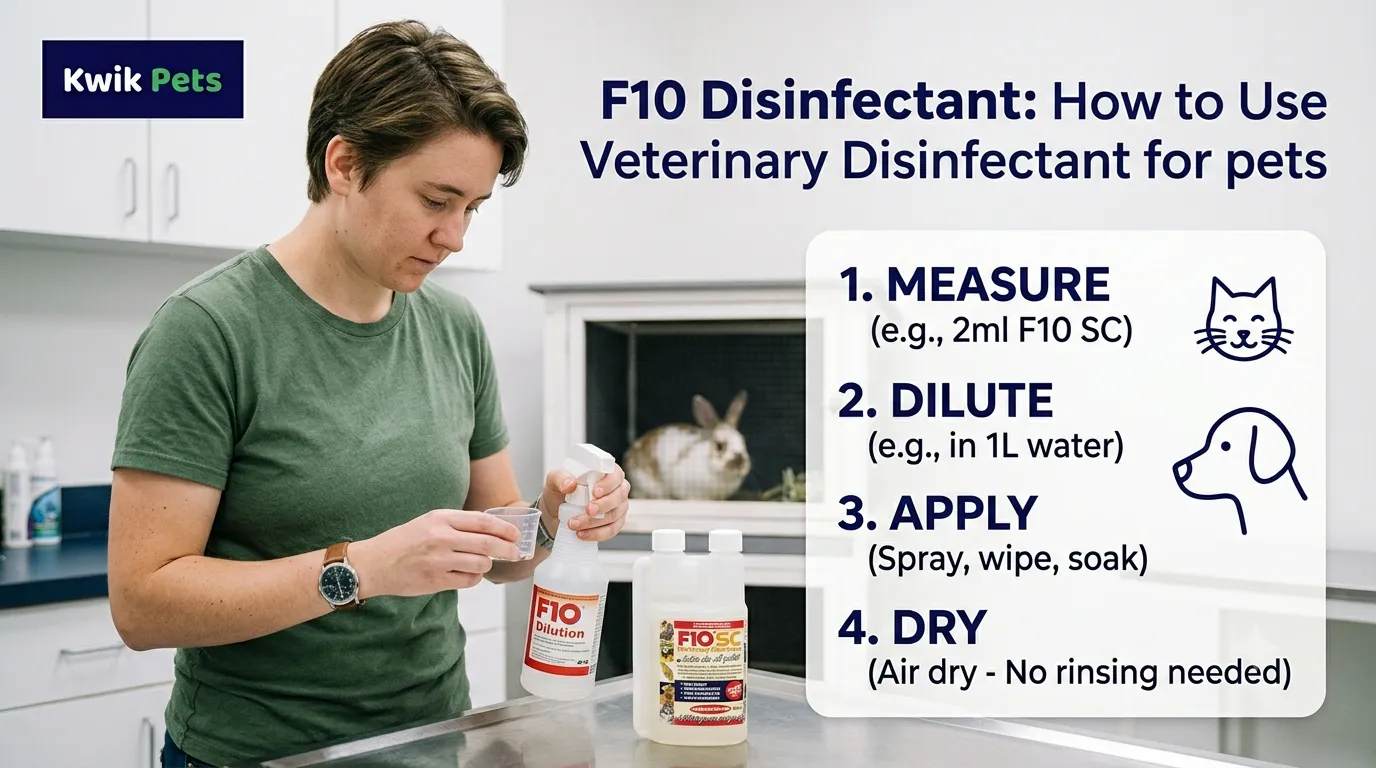
Choose a bird cage cleaner intended for bird environments and follow its label carefully. Cleaning removes visible dirt, while disinfecting targets certain microorganisms. Clean surfaces before disinfecting them, and follow the product's contact time, rinsing, and ventilation instructions.
Do not assume that a product is safe for birds simply because it is labeled natural or non-toxic for general household use.
How Do You Choose a Parrot Cage Cleaner?
A suitable parrot cage cleaner should match the cage material and its intended use. Parrots can scatter food and create mess around bowls, perches, and toys, so cleaning these areas regularly helps maintain a hygienic habitat.
Before using a cleaner:
- Read the label and check its intended use.
- Keep your parrot away from cleaning fumes and splashes.
- Never mix different cleaning chemicals.
- Rinse surfaces as directed.
- Allow the cage and accessories to dry before returning your bird.
If you need to disinfect a cage after an illness, ask an avian veterinarian which product and cleaning method are appropriate.
How Often Should You Clean a Bird Cage?
Most bird owners should remove visible waste daily, clean food and water bowls every day, and carry out deeper cleaning as needed. The right schedule depends on the number of birds, the type of cage, and how quickly dirt builds up.
Daily cleaning : Remove droppings and leftover fresh food, replace dirty liners, and wash food and water bowls.
Regular maintenance : Clean perches, toys, trays, and cage corners. Inspect accessories for loose threads, cracks, or other damage.
Deep cleaning : Wash the cage and removable accessories according to their materials and the cleaning product's instructions. Disinfect when appropriate, then rinse and dry everything thoroughly.
These are practical starting points rather than fixed rules for every bird. Increase cleaning when the cage becomes dirty more quickly.
What Birdcage Cleaning Mistakes Should You Avoid?
Common mistakes include using strong chemical products near birds, mixing cleaners, and returning a bird before the cage is fully rinsed and dry. Birds have sensitive respiratory systems, so fumes from some household products can pose a serious risk.
Avoid these mistakes:
- Do not use scented sprays or air fresheners around your bird.
- Never mix bleach with vinegar, ammonia, or other cleaners.
- Do not leave cleaning residue on bowls, perches, or cage bars.
- Keep your bird in a safe, well-ventilated area during cleaning.
- Replace badly soiled or damaged accessories that cannot be cleaned properly.
- Never use a disinfectant without checking its instructions and suitability.
If your bird has a suspected infection, seek veterinary advice before choosing a disinfectant or changing your cleaning routine.
Where Can You Find Bird Cage Cleaning Supplies?
Choosing suitable accessories can make daily cage maintenance easier. Look for items that help you remove waste, clean feeding areas, and reach corners without damaging the cage.
Visit the Kwik Pets Bird Cage Accessories Collection to explore available accessories and check individual product descriptions. You can also browse the Kwik Pets Bird Cages Collection to compare cage options.
Before purchasing a bird cage cleaner or related accessory, check the product details and confirm that it suits your bird's environment. Do not assume that every cage accessory is a cleaning product.
Frequently Asked Questions About Birdcage Cleaning
1. What is the best bird cage cleaner?
Choose a cleaner suitable for bird environments and the cage material. Follow the label, keep your bird away during cleaning, and rinse surfaces as directed.
2. Can I use vinegar to clean a bird cage?
Vinegar may help loosen some mineral deposits and dried residue on suitable surfaces, but it is not a reliable substitute for every disinfectant. Keep birds away from fumes and never mix vinegar with bleach.
3. How often should I clean my parrot's cage?
Remove waste and clean food and water bowls daily. Clean the cage, perches, and toys more thoroughly as needed, based on visible dirt and the materials involved.
4. Are household disinfectants safe for birds?
Not all household disinfectants are safe around birds. Some may release harmful fumes or leave dangerous residues, so check product instructions and seek veterinary guidance when needed.
5. What cage cleaning supplies should every bird owner have?
Useful basics include paper liners, dedicated scrub brushes, paper towels, suitable mild soap, and an appropriate bird-environment disinfectant when necessary.
Choose the Right Supplies for Easier Cage Cleaning
Create a simple cleaning routine and keep your tools within reach. Choose products carefully, follow their instructions, and make sure the cage is clean, dry, and safe before your bird returns.
Ready to improve your bird's living space? Explore the Kwik Pets Bird Cage Accessories Collection to review available accessories for your bird's habitat.
















Sign in to leave a comment.