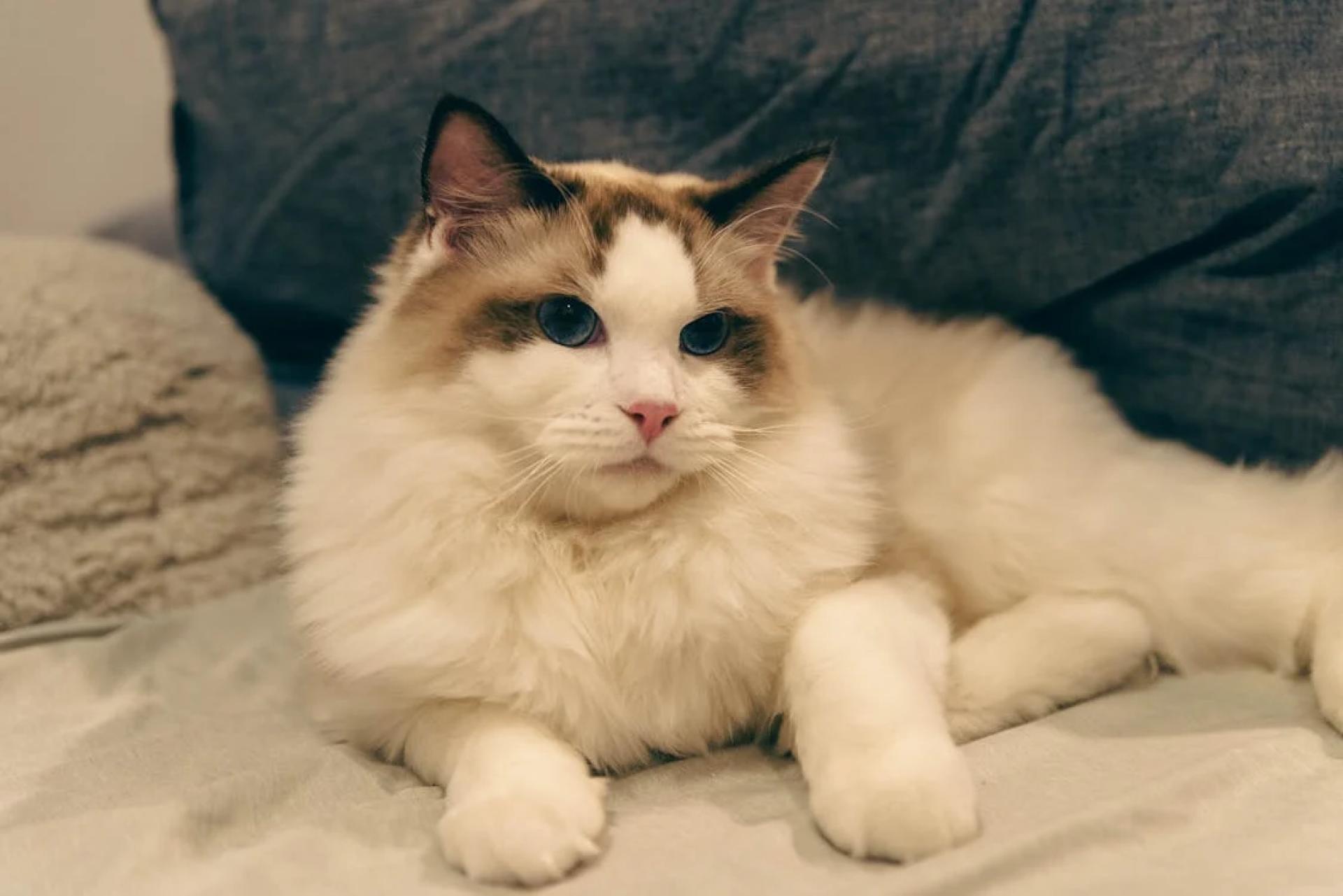

Ragdoll cats are known for their gentle, affectionate nature and striking blue eyes. Caring for a Ragdoll requires understanding their unique needs. From grooming and feeding to health checks, proper Ragdoll cat care ensures your feline stays happy and healthy for years.
Ragdoll Cat Personality and Temperament
Ragdolls are calm, social, and often described as “dog-like” cats. They enjoy human company, often follow their owners around, and are generally tolerant of children and other pets. This friendly temperament makes them excellent indoor companions, but it also means they rely on you for proper care and attention.
Grooming Your Ragdoll
Though Ragdolls have semi-long silky coats, their fur is less prone to matting than other long-haired breeds. Still, grooming is essential to prevent tangles and hairballs.
Brushing
- Brush your Ragdoll 2–3 times a week.
- Focus on areas like the belly and underarms where tangles form.
Bathing and Hygiene
- Bathing is optional but can help during shedding seasons.
- Clean ears and trim nails every 2–3 weeks.
- Check teeth regularly; dental hygiene prevents gum disease.
Hairball Prevention
- Regular grooming reduces hairballs.
- Special hairball-forming cat foods or supplements can help.
Feeding and Nutrition
Ragdolls are prone to weight gain due to their calm nature. Balanced nutrition is key to maintaining a healthy weight.
Diet Recommendations
- Feed high-quality wet and dry food.
- Wet food supports hydration, especially if your cat doesn’t drink much water.
- Avoid table scraps and foods with fillers or artificial ingredients.
Portion Control
- Feed measured meals instead of free-feeding.
- Divide daily portions into 2–3 meals.
Supplements
- Probiotics can support digestion.
- Taurine is essential for heart health and should be included in all meals.
Health Concerns for Ragdolls
Ragdolls are generally healthy but are prone to some breed-specific conditions. Knowing these helps in Ragdoll cat care.
Common Health Issues
- Hypertrophic Cardiomyopathy (HCM): Heart disease that can be screened via ultrasound.
- Polycystic Kidney Disease (PKD): Genetic condition affecting kidney function.
- Obesity: Monitor weight and adjust diet and playtime accordingly.
- Urinary Problems: Hydration and regular litter box cleaning help prevent infections.
Regular Vet Visits
- Annual check-ups are essential.
- Older Ragdolls may need bi-annual exams.
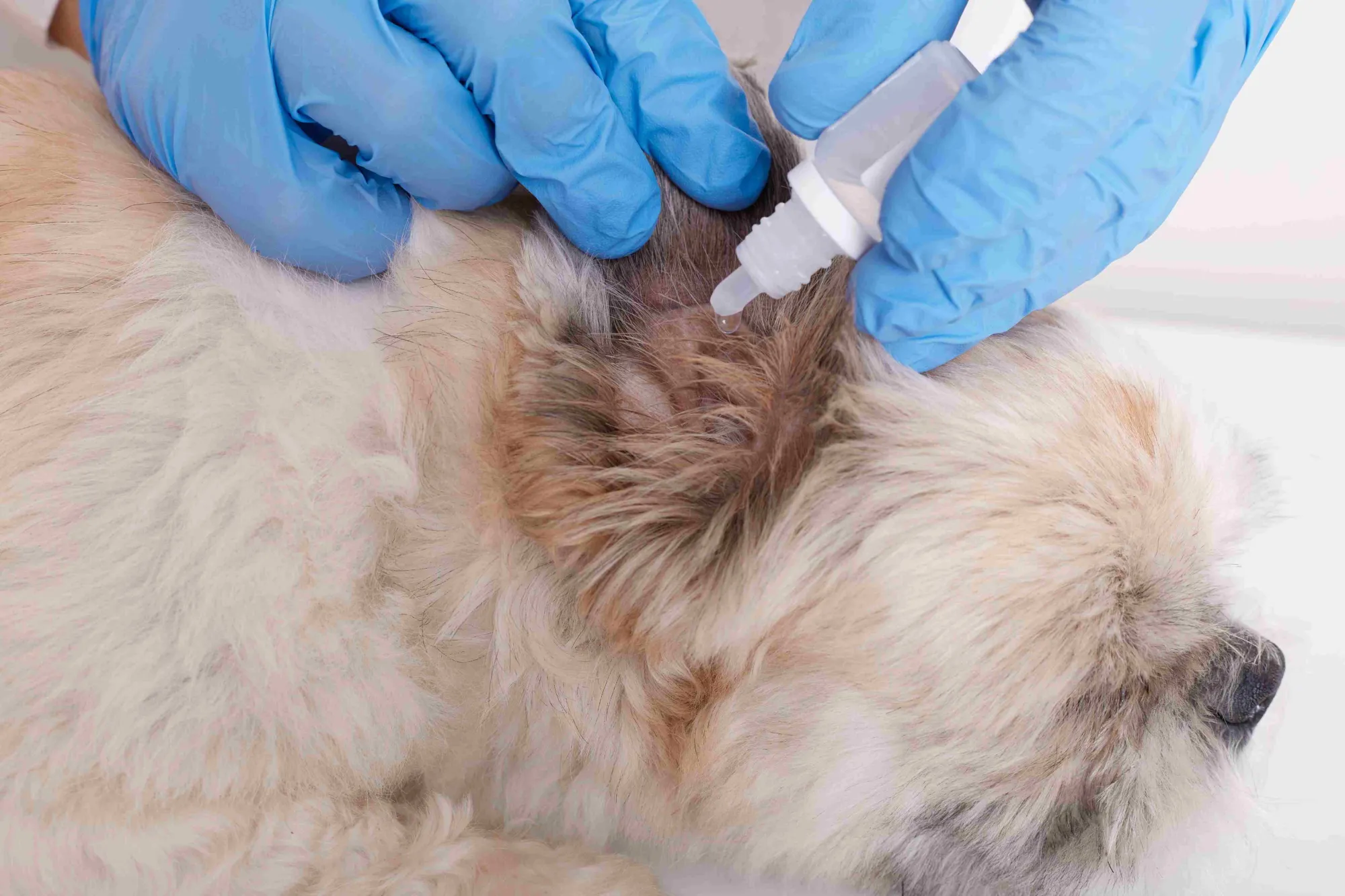
- Vaccinations, parasite control, and blood work help catch issues early.
Exercise and Mental Stimulation
Ragdolls enjoy playtime but are not as energetic as some breeds. Encourage daily activity to maintain muscle tone and prevent obesity.
- Provide interactive toys like wand teasers or puzzle feeders.
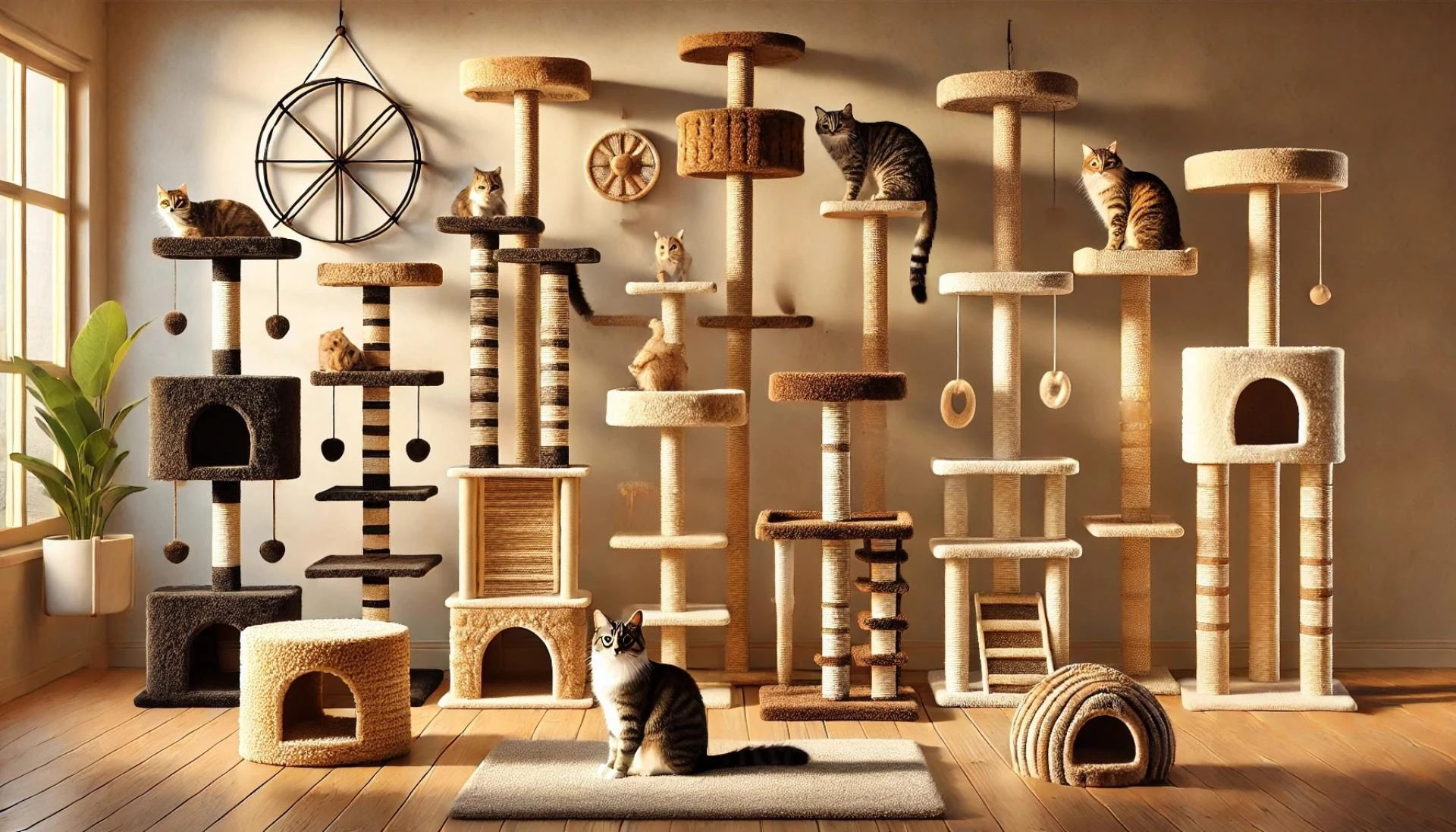
- Create climbing spaces and scratching posts.
- Spend 10–15 minutes daily in active play sessions.
Environment and Safety
Ragdolls thrive indoors, where they are safe from traffic, predators, and infectious diseases.
- Keep toxic plants, small objects, and chemicals out of reach.
- Provide cozy resting areas and vertical spaces like shelves or cat trees.
- Use water fountains to encourage drinking and prevent urinary issues.
Senior Ragdoll Cat Care
Older Ragdolls require adjustments in diet, activity, and health monitoring.
- Switch to senior cat food with controlled calories and joint support.
- Schedule more frequent vet visits to check for kidney, heart, or dental issues.
- Monitor mobility and provide ramps or low-access areas if needed.
Final Thoughts
Proper Ragdoll cat care combines grooming, nutrition, exercise, and regular veterinary attention. By understanding their unique temperament and health needs, you can ensure your Ragdoll stays happy, healthy, and affectionate.
At Focus Pet Care, we believe informed owners make the best caregivers. With the right routine and attention, your Ragdoll will thrive as a loving companion for years to come.


























Sign in to leave a comment.