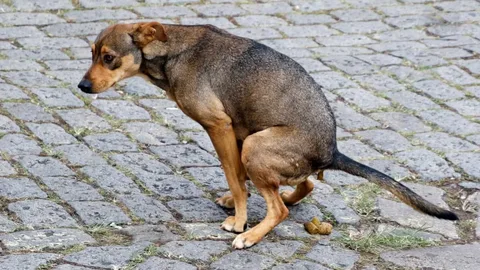

Chronic diarrhea in dogs can be frustrating and concerning for pet owners. While occasional loose stool is common, persistent or recurring diarrhea may indicate an underlying health issue. Understanding the causes, signs, and treatment options for chronic diarrhea in dogs is essential to keep your dog healthy and happy.
What Is Chronic Diarrhea in Dogs?
Chronic diarrhea is defined as diarrhea lasting more than two to three weeks or recurring frequently over time. It can involve:
- Loose or watery stools
- Frequent bowel movements
- Urgency or accidents outside the litter or yard
Unlike occasional diarrhea caused by diet changes or stress, chronic diarrhea usually points to a deeper problem that requires veterinary attention.
Common Causes of Chronic Diarrhea in Dogs
Several factors can lead to long-term diarrhea in dogs. These include:
1. Dietary Issues
- Sudden food changes
- Food allergies or sensitivities
- Eating spoiled food, garbage, or foreign objects
2. Parasites
- Giardia, roundworms, hookworms, or whipworms can irritate the gut
- Symptoms may include diarrhea, vomiting, and weight loss
3. Bacterial or Viral Infections
- Bacterial infections such as Salmonella or E. coli
- Viral infections like parvovirus or coronavirus
4. Inflammatory or Chronic Conditions
- Inflammatory bowel disease (IBD)
- Colitis or chronic gastritis
- Exocrine pancreatic insufficiency
5. Organ-Related Issues
- Liver or kidney disease can affect digestion
- Chronic pancreatitis may result in frequent diarrhea
6. Stress or Anxiety
- Environmental changes, travel, or separation anxiety can trigger chronic diarrhea in some dogs
Signs and Symptoms to Watch For
Recognizing the symptoms helps determine the severity of the condition. Look for:
- Persistent loose or watery stools
- Blood in stool
- Frequent bowel movements or urgency
- Vomiting or nausea
- Weight loss or poor appetite
- Lethargy or weakness
If you notice any of these signs, contact your veterinarian promptly. Chronic diarrhea can lead to dehydration, especially in puppies, senior dogs, or small breeds.
Diagnosing Chronic Diarrhea in Dogs
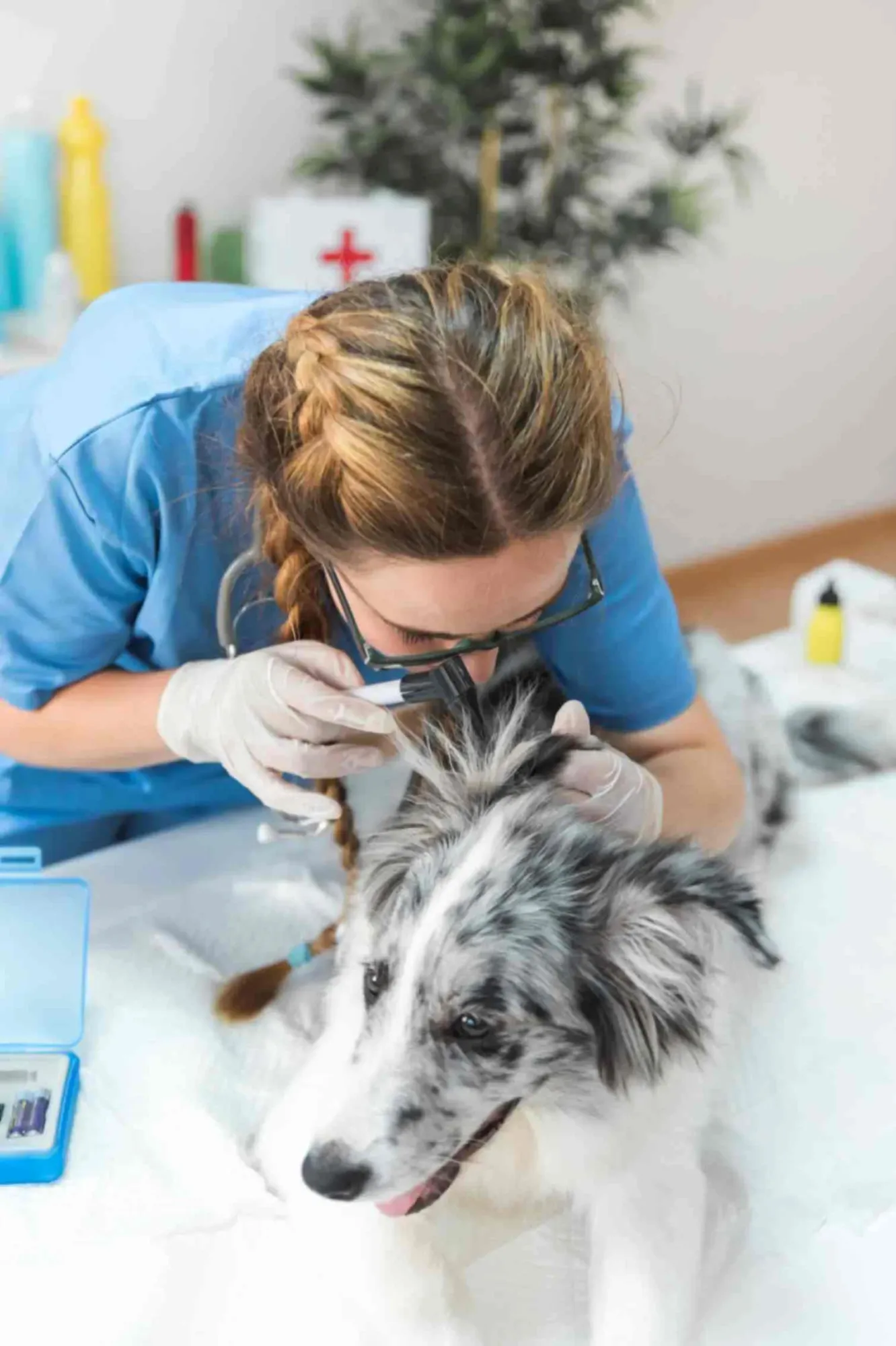
A veterinarian will perform a thorough examination and may recommend:
- Stool tests for parasites, bacteria, or viruses
- Blood work to check organ function
- Ultrasound or X-rays to look for obstructions
- Endoscopy or biopsy for suspected inflammatory bowel disease
Early and accurate diagnosis ensures effective treatment and prevents complications.
Treatment Options
Treatment depends on the underlying cause. Common approaches include:
1. Dietary Management
- Switch to a bland or hypoallergenic diet
- Gradually transition to high-quality commercial dog food
- Avoid sudden diet changes
2. Medications
- Anti-inflammatory drugs for IBD or colitis
- Antibiotics for bacterial infections
- Parasite treatments if worms or protozoa are detected
3. Supportive Care
- Fluids for dehydration
- Probiotics to restore gut health
- Nutritional supplements for chronic digestive issues
Home Care Tips for Dogs with Chronic Diarrhea
While following your veterinarian’s advice is essential, you can also help at home:
- Feed small, frequent meals instead of one large meal
- Keep your dog hydrated with fresh water at all times
- Monitor stools and behavior daily
- Avoid giving human food or table scraps
- Reduce stress by maintaining a stable routine
Consistent monitoring and care at home improve recovery and prevent flare-ups.
When to See a Vet Immediately
Seek immediate veterinary attention if your dog experiences:
- Bloody or black stools
- Severe vomiting or weakness
- Signs of dehydration: dry gums, sunken eyes, lethargy
- Chronic diarrhea lasting more than two weeks without improvement
Prompt intervention can prevent serious complications and save your dog’s life.
Preventing Chronic Diarrhea in Dogs
Preventive steps help reduce the risk of chronic diarrhea:
- Feed a high-quality, consistent diet
- Avoid sudden food changes
- Keep your dog away from garbage or spoiled food
- Maintain parasite control with regular deworming
- Ensure vaccinations are up to date
- Minimize stress and provide a stable environment
Preventing chronic diarrhea is easier than treating it, so proactive care is essential.
Final Thoughts
Chronic diarrhea in dogs is more than just a minor inconvenience. Persistent diarrhea may indicate underlying health problems that require professional care. Early detection, proper diagnosis, and consistent treatment are key to keeping your dog healthy. Alongside veterinary care, a balanced diet, hydration, and supportive home care play an important role in managing chronic diarrhea. For expert guidance and reliable advice on chronic diarrhea in dogs, trust Focus Pet Care.




























Sign in to leave a comment.