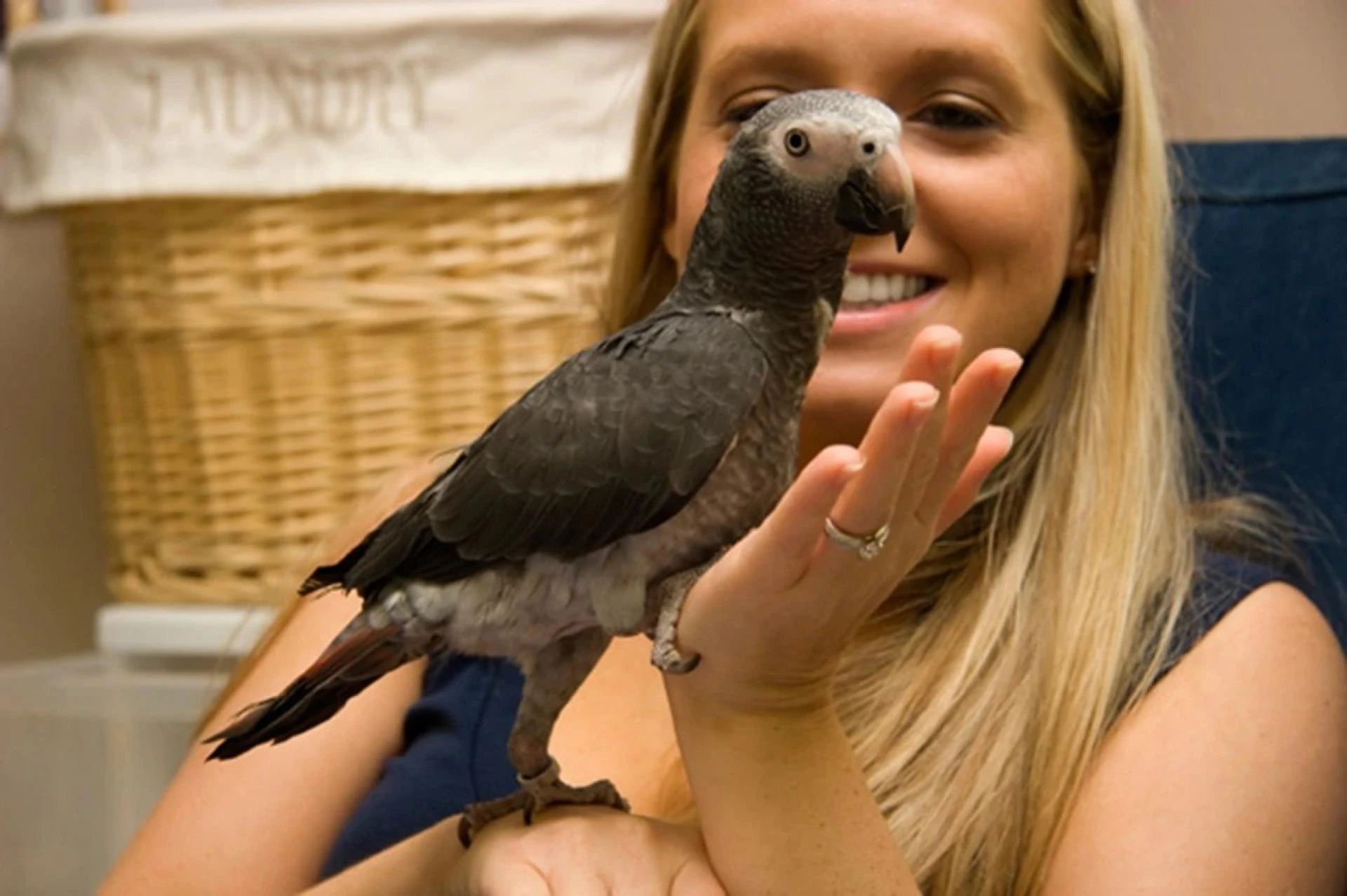

African Grey Parrots are famous for their intelligence, charm, and remarkable talking ability. But caring for them goes far beyond teaching them to mimic words. Proper African Grey Parrot care means understanding their diet, environment, social needs, and emotional health. This guide covers everything you need to raise a thriving and affectionate Grey.
Understanding the African Grey Parrot
African Greys are medium-sized parrots native to the rainforests of West and Central Africa. Known as the “Einstein of birds,” they can develop vocabularies of hundreds of words. However, their intelligence also makes them sensitive and demanding pets. Without the right environment and attention, they can develop stress-related behaviors like feather plucking or aggression.
Lifespan: 40–60 years in captivity
Temperament: Intelligent, cautious, loyal to owners
Common types: Congo African Grey and Timneh African Grey
These traits mean you’re not just adopting a bird — you’re making a long-term commitment.
The Ideal Diet for African Grey Parrots
Nutrition plays the biggest role in your parrot’s overall health. A balanced African Grey Parrot diet should include a mix of pellets, fresh vegetables, fruits, and occasional nuts.
1. Pellets as the Base
About 60–70% of their diet should come from high-quality formulated pellets. These provide the right mix of vitamins and minerals missing from seed-only diets.
2. Fresh Fruits and Vegetables
Offer daily servings of safe produce such as:
- Leafy greens (spinach, kale, romaine)
- Carrots, sweet potatoes, bell peppers
- Apples, oranges, mangoes, and berries (in moderation)
Avoid toxic foods like avocado, chocolate, caffeine, and onion.
3. Calcium and Vitamin A
African Greys often suffer from calcium deficiency. Add calcium-rich foods like broccoli and kale or talk to your vet about safe calcium supplements.
4. Fresh Water Always
Change the water twice daily to prevent bacteria growth. Use stainless steel bowls to avoid contamination.
Perfect Cage Setup for Your African Grey
Your bird’s environment affects its physical and mental well-being. The cage should be large enough for your Grey to stretch and flap its wings freely.
Ideal Cage Size
- Minimum dimensions: 3 ft wide × 2 ft deep × 4 ft high
- Bar spacing: ¾ inch to 1 inch
Provide multiple perches of different textures and diameters to promote foot health.
Enrichment and Toys
African Greys are smart — they need mental stimulation. Include:
- Puzzle toys and foraging activities
- Wooden chew toys
- Hanging ropes and swings
Rotate toys weekly to keep things interesting and avoid boredom.
Socialization and Mental Stimulation
These parrots crave companionship and mental challenges. Without enough interaction, they may scream, bite, or pluck their feathers.
Daily Interaction
Spend at least 1–2 hours daily talking, training, or playing with your bird. They bond deeply with their humans and need emotional reassurance.
Training
Use positive reinforcement — reward your parrot with treats or praise for good behavior. Teaching simple commands helps strengthen trust and communication.
Preventing Loneliness
If you work long hours, keep a radio or soft music playing when you’re away. African Greys can become anxious when left in silence.
Health and Hygiene Tips
Regular health checks are vital for early detection of problems. Watch for:
- Changes in droppings
- Decreased appetite
- Feather loss or over-preening
- Breathing issues
Schedule an annual exam with an avian veterinarian. Keep the cage clean by washing food bowls daily and disinfecting perches weekly.
Bathing:
Mist your African Grey with lukewarm water or provide a shallow dish for bathing 2–3 times a week. Clean feathers help with skin health and temperature regulation.
Common Behavioral Problems and Solutions
Feather Plucking
Caused by boredom, poor diet, or lack of attention. Increase enrichment and ensure nutritional balance.
Screaming or Aggression
Reduce noise triggers and maintain a calm environment. Avoid shouting back — this reinforces the behavior.
Shyness or Fear
Be patient. Talk softly and move slowly. Let your bird come to you instead of forcing contact.
Bonding With Your African Grey
Building trust takes time. Sit near the cage, talk gently, and offer treats through the bars. Hand-feeding soft fruits or nuts can help your bird associate your presence with safety.
Once comfortable, let your Grey perch on your hand and explore outside the cage in a bird-safe room. Always supervise out-of-cage time to prevent accidents.
Final Word: A Lifelong Companion
Caring for an African Grey Parrot is rewarding but requires patience and consistency. With the right diet, environment, and love, your parrot can live a long, joyful life — and fill your home with intelligence and affection.
For more expert pet care tips and detailed bird guides, visit Focus Pet Care.





























Sign in to leave a comment.