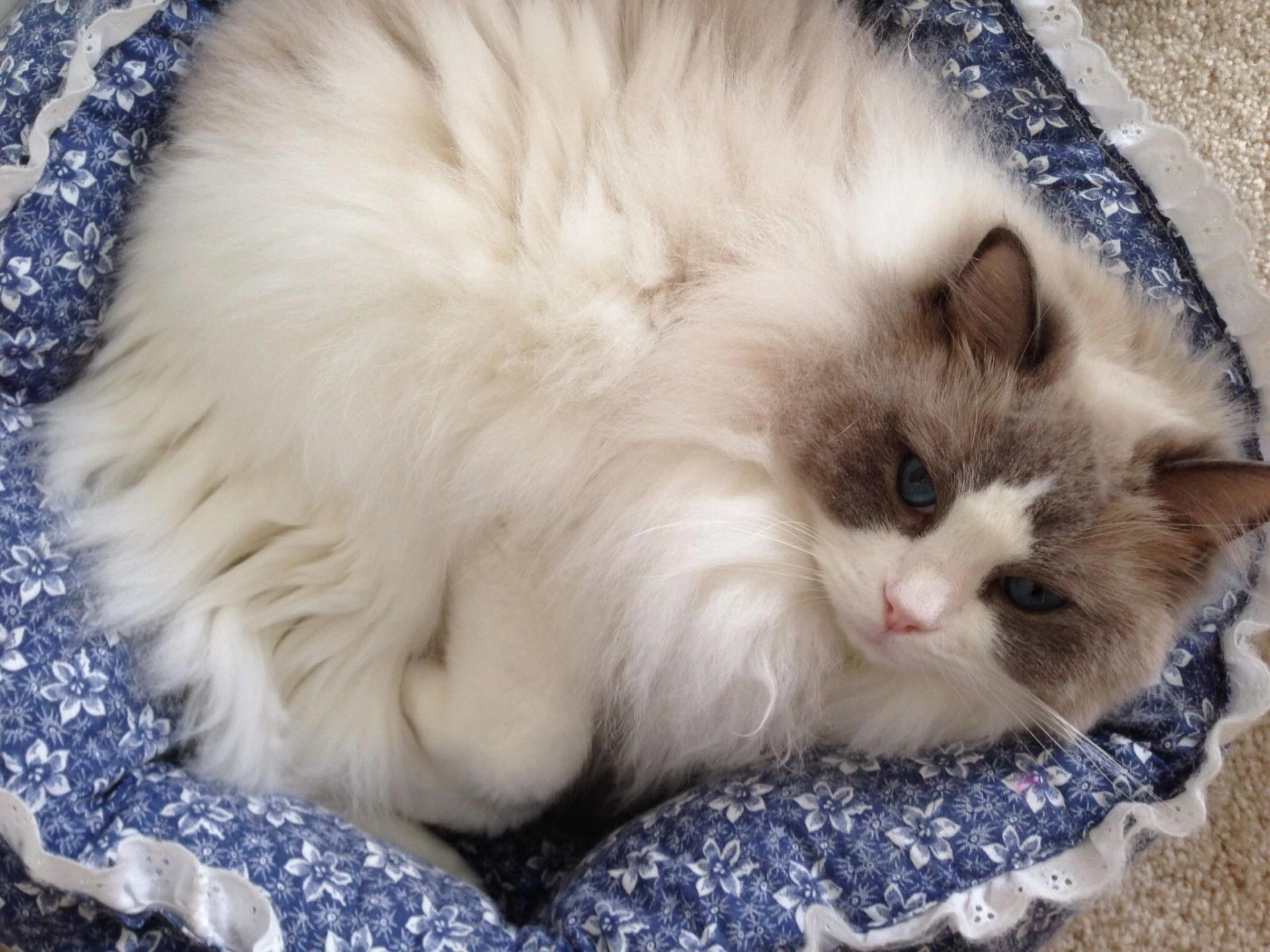

Ragdoll cats are known for their soft, silky fur, calm personality, and striking blue eyes. These gentle cats love being around people and often follow their owners everywhere. But to keep a Ragdoll healthy and happy, they need proper care. From grooming and diet to playtime and vet visits, every detail matters.
This guide covers everything you need to know about Ragdoll cat care to help your feline friend thrive.
Understanding the Ragdoll Cat
Ragdolls are large, affectionate cats that were first bred in the 1960s in California. They’re famous for going limp when picked up—just like a ragdoll. Their friendly and relaxed nature makes them one of the best indoor cat breeds for families, children, and even dogs.
Because Ragdolls are social and gentle, they depend heavily on their owners for attention and companionship. They are not suited for being left alone for long hours.
Grooming Your Ragdoll Cat
Brush Regularly to Prevent Tangles
Ragdolls have semi-long, silky fur that rarely mats, but it still needs brushing two to three times a week. Use a stainless-steel comb or a soft slicker brush to remove loose hair and prevent tangles, especially around the neck and belly.
Brushing also reduces shedding and helps distribute natural oils across the coat, keeping it shiny and healthy.
Bathing and Nail Care
Ragdolls don’t need frequent baths—once every few months is enough unless they get dirty. Always use cat-safe shampoo.
Trim their nails every two to three weeks and check the ears for wax or dirt buildup. Clean the ears gently with a damp cotton ball if needed.
Feeding and Nutrition
Choose a Balanced Diet
A proper diet is vital for Ragdoll cat care. These cats can grow quite large, so they need high-quality food rich in protein and moderate in fat. Choose commercial cat food that lists meat or fish as the first ingredient.
Avoid overfeeding. Ragdolls love to eat and are prone to weight gain if not monitored. Follow the feeding guidelines on your cat food label and adjust according to your cat’s age and activity level.
Keep Fresh Water Available
Ragdolls prefer running water. Many owners find their cats drink more when offered a pet fountain. Hydration supports kidney and urinary health, especially for indoor cats.
Exercise and Enrichment
Despite their calm nature, Ragdolls still need daily playtime to stay healthy. Play for 15–20 minutes twice a day using feather toys, laser pointers, or soft balls.
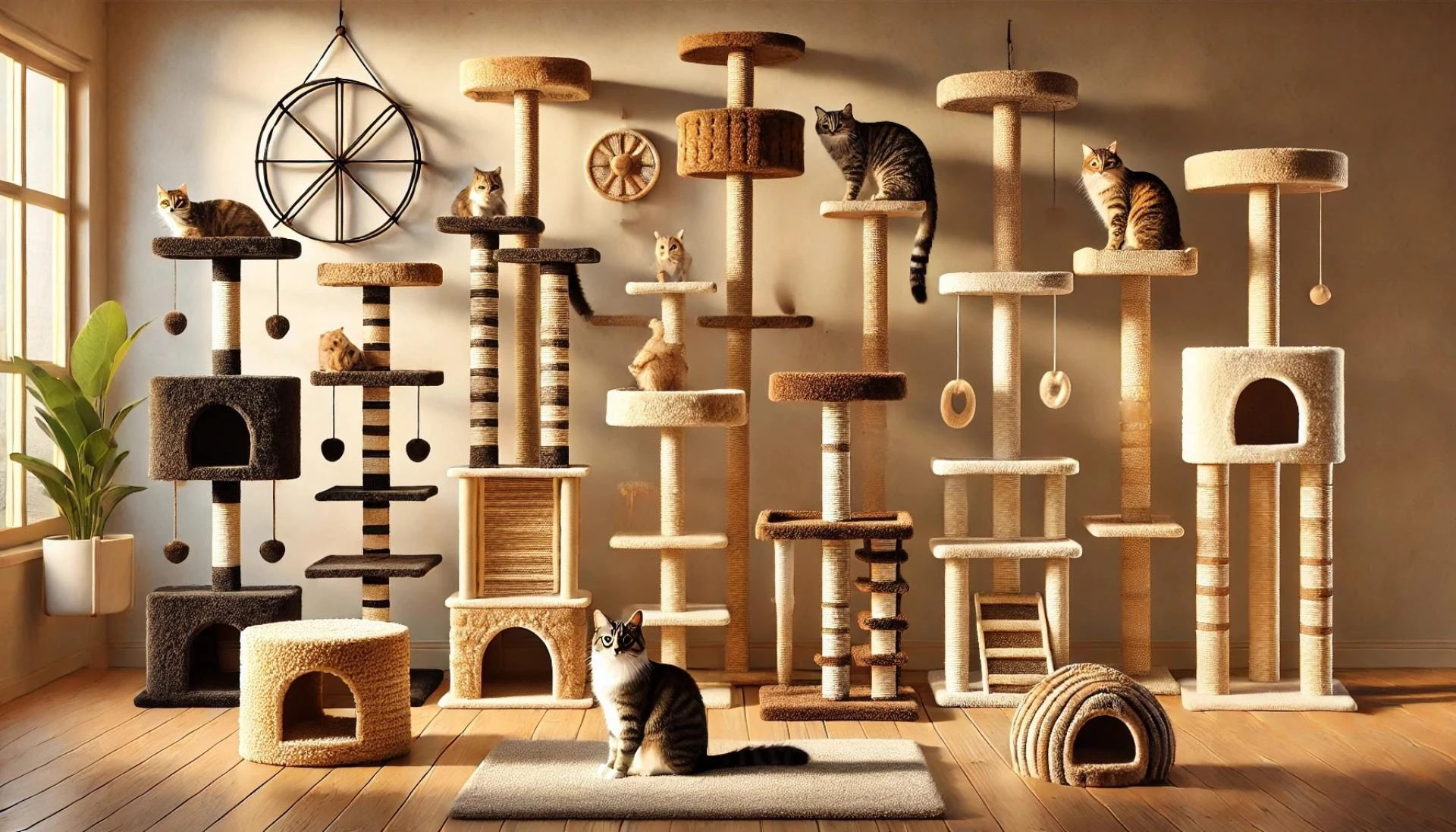
Provide scratching posts, cat trees, and window perches to keep them mentally stimulated. Ragdolls enjoy watching the outdoors but should stay indoors to avoid injury or disease.
Health and Veterinary Care
Regular Checkups
Schedule a vet visit once a year for vaccinations, dental checks, and weight monitoring. Older Ragdolls (over 7 years) may need biannual exams.
Common Health Concerns
While generally healthy, Ragdolls can be prone to certain inherited conditions such as:
- Hypertrophic Cardiomyopathy (HCM): a heart disease common in the breed. Responsible breeders screen for it.
- Polycystic Kidney Disease (PKD): may occur in some lines.
- Obesity: one of the most preventable issues with proper diet and exercise.
Early detection through routine vet visits helps manage or prevent these problems.
Litter Box and Hygiene
Ragdolls are large cats, so they need a spacious litter box. Choose one that’s at least 1.5 times the length of your cat. Keep the box clean by scooping daily and changing litter weekly.
Place the litter box in a quiet but easily accessible area. Avoid scented litters if your cat shows sensitivity.
Social Needs and Behavior
Ragdolls are known as “puppy cats” because they love following their owners around. They thrive on affection and routine.
Provide daily cuddle time, gentle petting, and verbal praise. If you have a busy schedule, consider getting another pet companion to keep your Ragdoll company.
Avoid sudden changes in environment or loud noises—these can stress them out.
Safety Tips for Indoor Life
Ragdolls are not street-smart and should always stay indoors. If you want your cat to experience the outdoors safely, use a secure cat harness or a screened enclosure.
Keep toxic plants, chemicals, and small objects out of reach. Their curious nature may get them into trouble if the home isn’t cat-proofed.
Frequently Asked Questions
1. How often should I groom my Ragdoll cat?
Brush two to three times a week to prevent tangles and control shedding.
2. Can Ragdolls live with dogs or kids?
Yes. Their calm and gentle personality makes them great with children and other pets.
3. Do Ragdoll cats need baths?
Occasionally, every few months, using a cat-safe shampoo.
4. Are Ragdolls indoor or outdoor cats?
They are best kept indoors for their safety and health.
Final Thoughts
Taking care of a Ragdoll cat means more than just grooming and feeding—it’s about giving love, attention, and a safe home. These beautiful cats reward you with endless affection, loyalty, and companionship.
At Focus Pet Care, we’re dedicated to helping pet owners provide the best care for their Ragdolls—because a happy cat makes a happy home.






























Sign in to leave a comment.