

Introduction
The UK vape industry faces ongoing challenges from the black market, which continues to compete with legitimate businesses. Unregulated sellers often offer cheaper products, attracting cost-sensitive consumers despite health and legal risks. These black-market products may bypass safety testing and regulatory compliance, raising concerns for consumer protection and industry credibility. For legal retailers, this creates additional pressure to maintain trust while staying competitive in price and quality. Understanding the dynamics between black-market operations and legal vape businesses is essential for developing effective strategies that protect both consumers and the long-term sustainability of the regulated vaping market.
Impact on Wholesale Distribution
Black-market activity directly affects distribution channels, creating unfair competition for legitimate retailers. Unregulated sellers bypass official networks, undermining the role of bulk buy vapes suppliers who ensure compliance and quality. While wholesalers work to provide safe, tested products, black-market vendors flood communities with cheaper but unverified alternatives. This disparity not only reduces legal market sales but also damages consumer trust in vaping overall. For legitimate businesses, maintaining strong wholesale partnerships is critical to countering these threats. By ensuring retailers have reliable access to affordable, compliant products, wholesalers help protect both public health and the industry’s professional reputation.
Pricing Pressures from Illegal Products
One of the strongest appeals of black-market vape products is their lower cost. By avoiding regulatory costs, safety checks, and tax obligations, illegal sellers can undercut legitimate prices. This creates a challenge for legal retailers, who must justify higher prices while maintaining compliance. Consumers unaware of the risks may gravitate toward cheaper options, particularly in areas where disposable incomes are limited. To compete, legal retailers often use promotions, bundle deals, and loyalty programs to demonstrate value beyond price alone. Balancing affordability with compliance remains a central challenge in combating the pricing advantage of black-market products.
Risks to Consumer Health
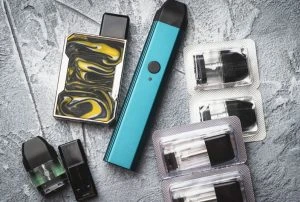
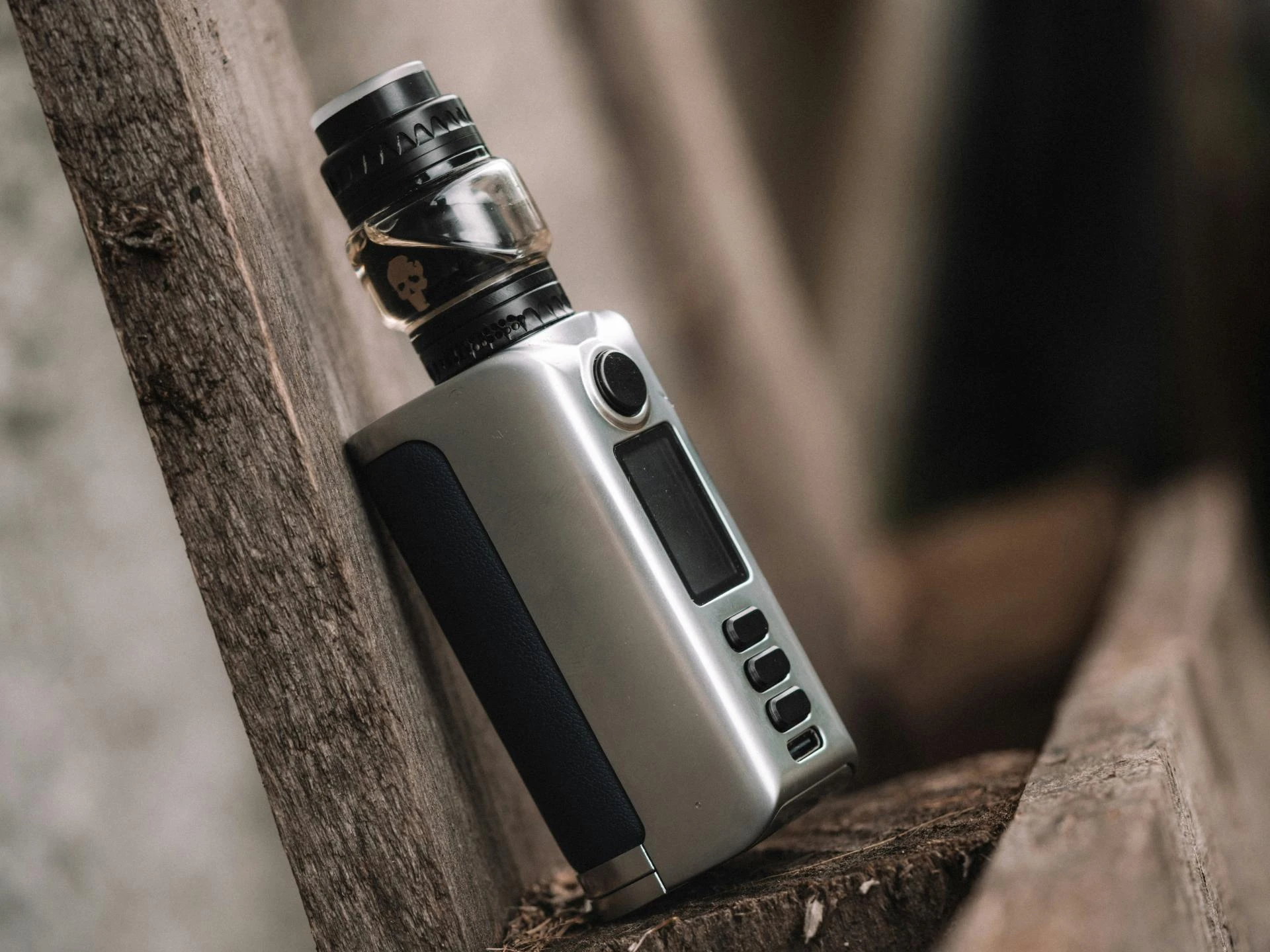
Health risks are a major concern with black-market vape products. Unlike regulated devices and e-liquids, illegal alternatives may contain unsafe ingredients, improper nicotine levels, or poor-quality hardware. These products bypass testing, increasing the likelihood of contamination and malfunction. For consumers, this not only endangers health but also undermines confidence in vaping as a safer alternative to smoking. Public health campaigns often highlight these risks to encourage buyers to choose legal products. Legal retailers must emphasize product safety and compliance as competitive advantages, making clear distinctions between trustworthy offerings and the dangers associated with the black-market supply chain.
Role of Regulation and Enforcement
Strong regulation and enforcement are essential in reducing black-market competition. While the UK has established rules for nicotine limits, packaging, and advertising, illegal sellers often ignore these standards. Authorities regularly seize counterfeit products, but enforcement must remain consistent to protect both consumers and legal businesses. Retailers and wholesalers also have a role in reporting suspicious activities. Clear communication about compliance can reassure customers that regulated products are safer and worth the investment. By working together, regulators and industry players can reduce black-market influence and strengthen the credibility of the legal vape sector.
Consumer Education as a Defense
Education is a powerful tool in shifting demand away from the black market. Many buyers are unaware of the potential dangers associated with unregulated products. Retailers who actively educate consumers about the benefits of legal products—such as quality assurance, accurate nicotine levels, and adherence to safety standards—help steer purchasing decisions. In-store guidance, online campaigns, and partnerships with public health organizations reinforce this message. By empowering consumers with knowledge, retailers create informed buyers who value trust and reliability over risky savings. This approach not only boosts legal sales but also strengthens long-term industry sustainability.
Strength of UK Wholesale Networks
A critical line of defense against black-market competition lies in the strength of vape wholesale UK networks. Reliable wholesalers ensure retailers have access to compliant, high-quality products at competitive prices, reducing the temptation for consumers to seek alternatives. Wholesale partnerships also support smaller retailers, giving them the tools to stay competitive against illegal sellers. By fostering trust and consistency across supply chains, wholesalers help reinforce the legitimacy of the regulated market. This not only boosts industry resilience but also reassures consumers that they are purchasing safe, authentic products supported by strong national distribution systems.
Conclusion
The black market continues to compete aggressively with legal vape businesses, threatening both consumer safety and industry credibility. While unregulated sellers attract buyers with lower prices, they fail to provide the safety and compliance guaranteed by legitimate retailers. Wholesale partnerships, regulatory enforcement, and consumer education remain the most effective defenses against this challenge. By highlighting the benefits of regulated products and strengthening supply chains, the legal vape industry can maintain trust and competitiveness. Ultimately, protecting consumers and sustaining long-term growth requires a united effort to reduce black-market influence while reinforcing the value of legal, compliant alternatives.




























Sign in to leave a comment.