In the digital age, customer relationship management (CRM) is central to how businesses understand, engage, and retain customers. But as data privacy concerns grow and customer expectations rise, traditional CRM platforms face challenges in maintaining transparency, security, and efficiency. Enter the blockchain CRM solution — a revolutionary approach that integrates blockchain’s decentralized, tamper-proof technology with CRM systems to reshape how businesses interact with their customers.
This blog explores how blockchain-powered CRM is transforming customer engagement, what benefits it offers, and why businesses should start embracing this game-changing technology.
What is a Blockchain CRM Solution?
A blockchain CRM solution is a customer relationship management system that leverages blockchain technology to store, manage, and process customer data in a decentralized and secure manner. Unlike traditional CRMs that operate on centralized servers, a blockchain CRM stores data across a distributed ledger, making it immutable and accessible only through secure, permissioned access.
By combining the power of blockchain with CRM capabilities, businesses can ensure greater transparency, minimize data breaches, and offer a more personalized, trustworthy experience to their customers.
Key Benefits of Blockchain CRM Solutions
1. Enhanced Data Security and Privacy
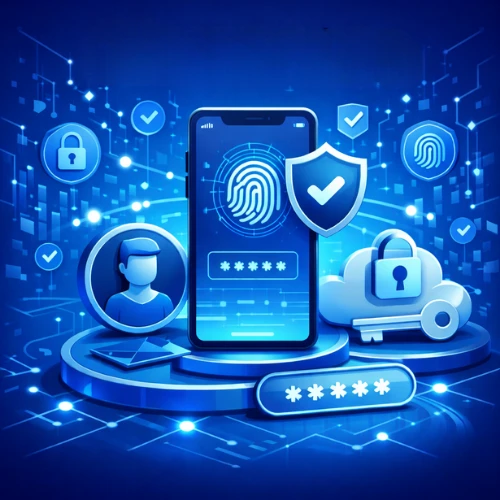
Blockchain's core strength lies in its security. Customer data is encrypted and stored on decentralized nodes, reducing the risk of single-point failures and unauthorized access. Every transaction or data entry is time-stamped and recorded immutably, which prevents manipulation or data loss.
For industries handling sensitive data — such as healthcare, finance, and e-commerce — this heightened security is a game-changer.
2. Decentralized Control and Transparency
Traditional CRM systems give businesses centralized control over customer data, sometimes at the expense of customer trust. With blockchain CRM, customers can maintain greater ownership of their personal information and can grant or revoke access to businesses as needed.
This builds transparency and trust, especially in regions where data privacy laws like GDPR are strictly enforced.
3. Improved Data Accuracy and Integrity
A major challenge in CRM is data duplication or inconsistencies across different platforms. Blockchain ensures that all customer-related updates or interactions are recorded consistently and in real-time across the network. This single version of the truth enhances decision-making and reduces operational errors.
4. Automation Through Smart Contracts
Smart contracts can automate routine CRM tasks such as invoicing, service agreements, and follow-up emails. Once predefined conditions are met, these contracts self-execute, reducing the need for manual intervention and ensuring timely engagement with customers.
For example, a smart contract can automatically trigger a discount offer when a loyal customer’s purchase history meets specific criteria.
5. Efficient Loyalty and Rewards Programs
Blockchain CRM enables transparent and tamper-proof loyalty programs. Customers can earn and redeem tokens or rewards across multiple platforms, and the entire transaction history is verifiable and secure. This improves customer satisfaction and loyalty while reducing fraud and operational complexity.
Use Cases of Blockchain CRM in Real Businesses
● Retail & E-Commerce
Blockchain CRM systems allow retailers to offer customized experiences by securely tracking customer behavior, preferences, and transactions. They can also integrate cross-platform loyalty programs and deliver targeted promotions based on real-time data.
● Healthcare
Patient interactions, medical histories, and treatment feedback can be securely stored and accessed using blockchain CRM. It ensures patient confidentiality while enabling healthcare providers to offer more accurate, data-driven care.
● Financial Services
Banks and fintech companies can use blockchain CRM to manage KYC data, streamline client onboarding, and improve fraud detection. Smart contracts can automate interest payouts or credit risk assessments based on customer history.
● Real Estate
A blockchain CRM solution helps manage property portfolios, buyer-seller interactions, and contract signings with full transparency. Clients get real-time access to property records and deal updates, enhancing trust in the process.
Why Your Business Should Consider Blockchain CRM
Traditional CRMs have served well for years, but the limitations in data control, interoperability, and security are becoming harder to ignore. As customers become more aware of how their data is used — and demand better ownership of it — businesses must evolve.
By implementing a blockchain CRM solution, companies can:
- Stay ahead of data compliance regulations.
- Build deeper, trust-based relationships with customers.
- Streamline internal processes and reduce manual overhead.
- Foster loyalty with transparent, rewarding customer experiences.
Challenges to Consider
While promising, blockchain CRM solutions are not without their challenges:
- Adoption & Integration: Migrating from a traditional CRM to a blockchain-based one requires strategic planning and technical expertise.
- Scalability: Handling large volumes of customer interactions on-chain can raise performance and cost concerns.
- User Education: Both employees and customers need to understand how the system works for full adoption.
However, as technology evolves and more user-friendly platforms emerge, these barriers are quickly being addressed.
Conclusion
The fusion of blockchain and CRM marks a pivotal step in how businesses can engage with their customers in a secure, transparent, and efficient manner. A blockchain CRM solution not only enhances data protection but also empowers both customers and businesses with greater control and trust.
As the future of customer engagement shifts toward decentralization, now is the time for forward-thinking organizations to explore and invest in blockchain-powered CRM systems — laying the foundation for more secure and meaningful customer relationships.
























Sign in to leave a comment.