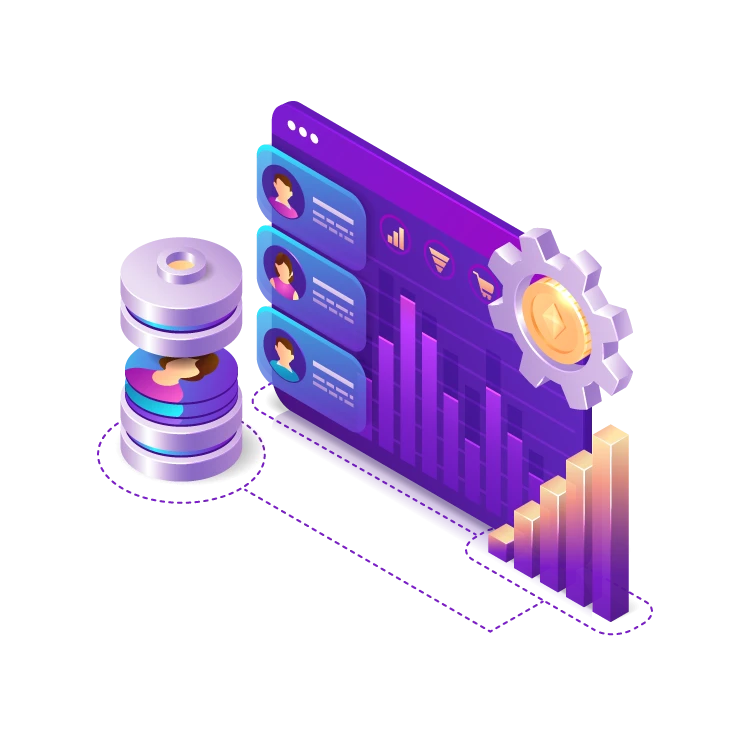

In the modern digital marketplace, customer relationships are at the heart of every successful business. Gone are the days when managing customer data through spreadsheets or basic databases was enough. Today’s dynamic business environment demands more intelligent, responsive, and data-driven tools to manage interactions across the customer journey. This is where CRM management solutions step in—bridging gaps, boosting productivity, and helping businesses build lasting customer relationships.
This blog explores how CRM management solutions are transforming the way organizations operate, offering features that drive efficiency, enhance customer experience, and improve overall business outcomes.
What Are CRM Management Solutions?
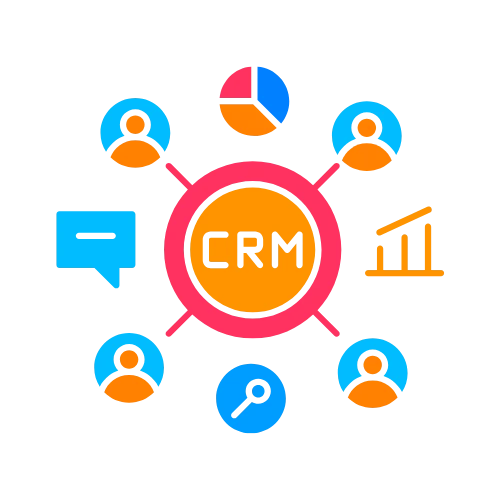
CRM, or Customer Relationship Management, refers to a set of strategies, tools, and technologies designed to help businesses manage customer interactions and data throughout the lifecycle. CRM management solutions are platforms that provide businesses with a unified dashboard to handle customer inquiries, sales leads, service requests, and much more.
These systems are no longer just sales support tools—they have evolved into comprehensive platforms that integrate marketing, service, and analytics to deliver a 360-degree view of customers.
Key Features of CRM Management Solutions
- Centralized Customer Data
- One of the core benefits is having all customer data—emails, phone calls, social media interactions, and purchase history—available in one place. This centralized approach helps teams respond quickly and effectively.
- Sales Pipeline Tracking
- CRM solutions provide tools to visualize and manage the sales funnel. From capturing leads to converting them into paying customers, the entire sales process is tracked in real time.
- Marketing Automation
- Many CRM platforms come with integrated marketing tools that allow businesses to run email campaigns, segment audiences, and analyze engagement—all within the same system.
- Customer Support Management
- CRM systems streamline ticketing, complaint tracking, and live support. By automating responses and prioritizing urgent issues, customer satisfaction improves significantly.
- Analytics and Reporting
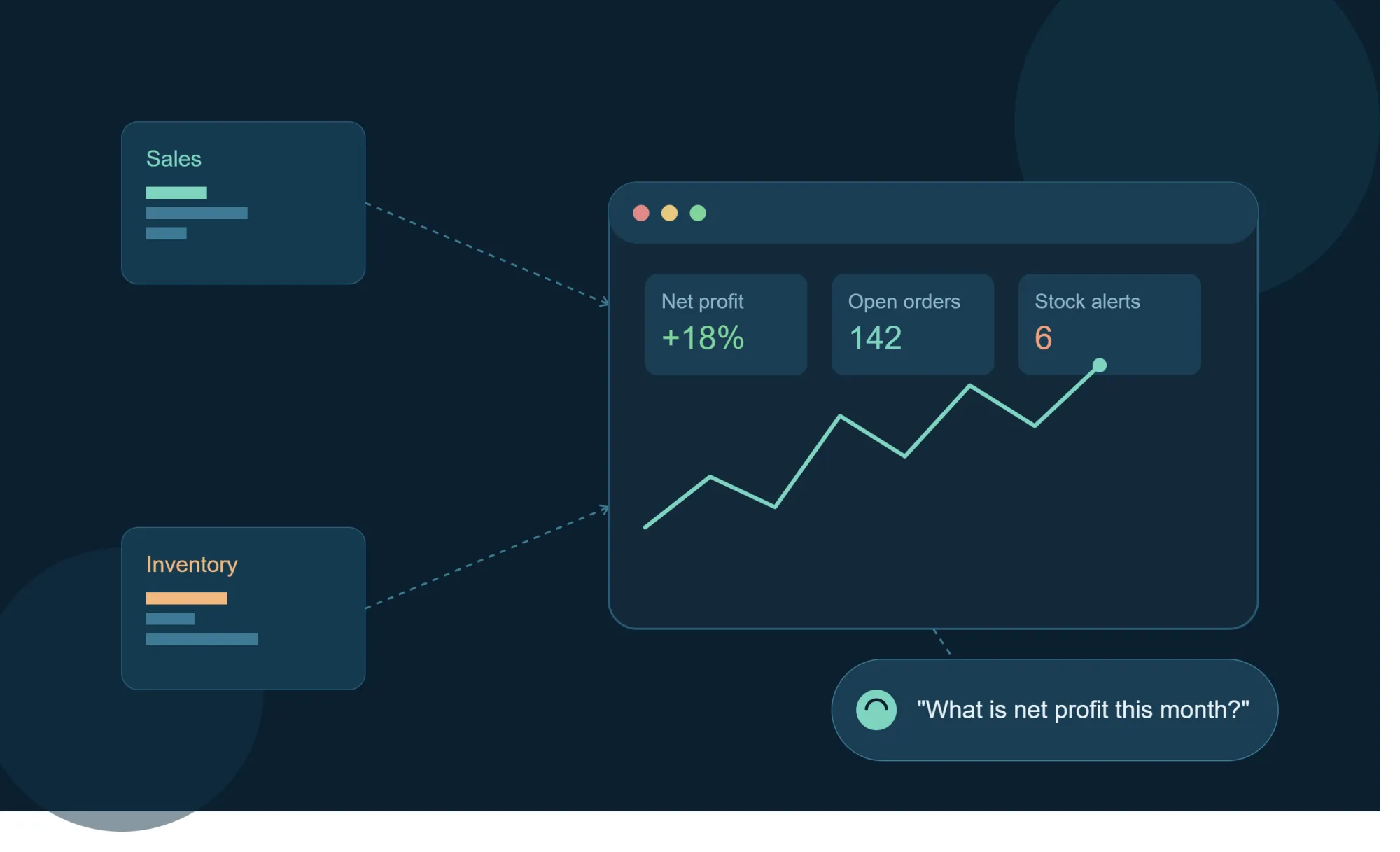
- Built-in dashboards offer deep insights into customer behavior, sales trends, and service efficiency. These insights help decision-makers fine-tune their strategies.
Why Businesses Need CRM Management Solutions
With customer expectations rising, businesses need more than just good service—they need proactive, personalized engagement. CRM management solutions empower teams with the tools to understand customer needs, respond faster, and provide relevant solutions.
Here are a few compelling reasons to adopt a CRM solution:
- Improved Customer Retention: Personalized communication helps build loyalty and trust.
- Enhanced Collaboration: Teams across sales, marketing, and support work from a shared platform, reducing information silos.
- Scalability: As your customer base grows, a CRM can grow with it—automating tasks and maintaining service quality.
- Data-Driven Decisions: CRM insights inform smarter strategies, from product development to marketing campaigns.
CRM in Different Industries
CRM management solutions are versatile and can be customized to fit the unique needs of various industries:
- Retail: Understand shopping patterns, launch targeted promotions, and improve customer service.
- Healthcare: Manage patient relationships, appointment scheduling, and follow-ups.
- Finance: Track client portfolios, ensure compliance, and enhance client communication.
- Real Estate: Monitor property listings, manage contacts, and schedule viewings efficiently.
Regardless of the industry, the common thread is improved customer interaction and streamlined business operations.
Cloud-Based CRM: A Modern Approach
Traditional on-premise CRMs are giving way to cloud-based systems. Cloud CRM solutions offer several advantages:
- Accessibility: Teams can access the system from anywhere, ideal for remote work and field operations.
- Lower Costs: No need for physical infrastructure or in-house maintenance teams.
- Automatic Updates: Cloud providers continuously roll out updates and security patches.
- Easy Integration: Seamlessly connects with other business tools like email platforms, ERP systems, and payment gateways.
Cloud-based CRM management solutions democratize access to high-end technology, making them suitable even for small and mid-sized businesses.
Challenges and Considerations
While the benefits are undeniable, implementing a CRM solution isn’t without its challenges. Businesses must be prepared to handle:
- Data Migration: Shifting legacy data into a new system can be complex.
- User Adoption: Training is essential to ensure all teams make the most of the platform.
- Customization Needs: Off-the-shelf CRMs may require customization to align with business processes.
- Data Security: Managing customer data responsibly is critical, particularly with regulations like GDPR in place.
Selecting the right CRM involves evaluating features, vendor reliability, scalability, and alignment with business goals.
Future Trends in CRM
The future of CRM is being shaped by advancements in artificial intelligence, machine learning, and predictive analytics. Here’s what to expect:
- AI-Driven Insights: Smarter recommendations, automated workflows, and customer behavior predictions.
- Conversational Interfaces: Chatbots and voice assistants that interact with customers in real-time.
- Hyper-Personalization: Customized communication based on real-time data and behavioral cues.
- Mobile-First CRM: Enhanced functionality for users who need CRM tools on-the-go.
Investing in a forward-looking CRM system today means your business will be ready for tomorrow’s challenges and opportunities.
Conclusion
CRM management solutions are no longer optional—they are essential for businesses that want to remain competitive and customer-focused. Whether it’s increasing efficiency, improving communication, or leveraging data for better decision-making, CRM platforms are the backbone of modern business strategies.
By implementing a well-suited CRM solution, companies can not only boost internal productivity but also create memorable, meaningful customer experiences that drive growth and brand loyalty.
As the market continues to evolve, those who embrace intelligent CRM management will find themselves at the forefront of customer-centric innovation.

























Sign in to leave a comment.