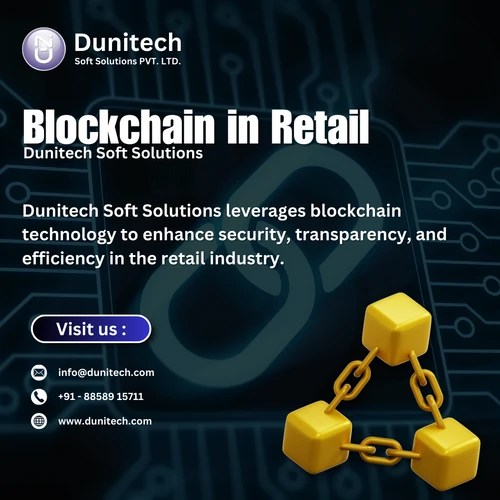

The retail industry is undergoing rapid transformation, driven by evolving customer demands, globalization, and digital adoption. One of the most significant challenges retailers face today lies within the supply chain—managing transparency, ensuring authenticity, and improving operational efficiency. Blockchain in retail technology, with its decentralized and immutable nature, is emerging as a game-changer in solving these challenges.
The Need for Transparency in Retail Supply Chains
Traditional retail supply chains often rely on siloed systems, making it difficult to track the movement of goods across manufacturers, distributors, and retailers. This lack of visibility leads to issues such as:
- Counterfeit products entering the market
- Inefficient logistics and delays
- Limited traceability of raw materials
- Rising compliance and auditing costs
Consumers are increasingly demanding to know the origin of their products—whether their food is ethically sourced, whether their clothes were made sustainably, and whether the products they purchase are authentic. This is where blockchain creates value.
How Blockchain Enhances Supply Chain Efficiency
Blockchain provides a distributed ledger where every transaction, shipment, or product movement is recorded in real-time and is immutable. Key benefits include:
- End-to-End Traceability: Retailers and customers can verify the origin and journey of a product with a simple scan.
- Fraud Prevention: Immutable records ensure authenticity, helping eliminate counterfeit goods.
- Smart Contracts: Automated agreements reduce manual paperwork, delays, and disputes in payments and deliveries.
- Real-Time Updates: Stakeholders gain instant visibility into inventory, shipping, and order status.
- Cost Efficiency: Streamlined processes minimize intermediaries and reduce operational expenses.
Real-World Applications in Retail
- Food Safety – Blockchain ensures that food products can be traced back to their source, minimizing the impact of contamination recalls.
- Luxury Goods Authentication – Retailers of fashion, jewelry, and electronics can validate authenticity and protect customers from counterfeits.
- Sustainability Tracking – Brands can showcase their ethical sourcing practices, building consumer trust.
- Cross-Border Trade – By automating customs and logistics through blockchain, international supply chains become more efficient and transparent.
Conclusion
Blockchain is no longer a futuristic concept—it is a strategic enabler for retail supply chains. By providing transparency, reducing inefficiencies, and ensuring authenticity, blockchain empowers retailers to build trust with customers while improving their bottom line. As adoption grows, retailers who embrace blockchain today will position themselves as leaders in efficiency, accountability, and innovation.
At Dunitech Soft Solutions, we help businesses integrate blockchain into their supply chain systems, unlocking new opportunities for growth and customer satisfaction.


























Sign in to leave a comment.