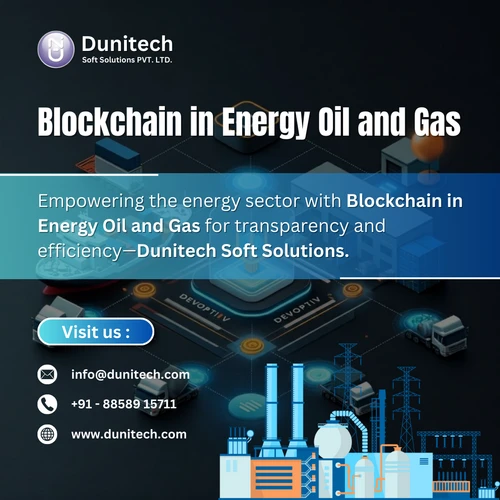

In an era of increasing digitization, the energy, oil, and gas sectors are facing pressure to innovate, improve transparency, and optimize operations. One technology leading this transformation is blockchain. Known for its role in cryptocurrencies, blockchain is now being embraced by energy giants and startups alike to tackle some of the industry's most persistent challenges.
Why Blockchain Matters in Energy, Oil, and Gas
The oil and gas supply chain is vast and complex, involving multiple stakeholders including exploration companies, refineries, logistics providers, regulators, and consumers. Traditionally, this ecosystem has struggled with issues such as data silos, delays in reconciliation, fraud, and high operational costs.
Blockchain brings a decentralized, tamper-proof ledger that allows every participant in the network to access real-time, verifiable data. Here's how that creates real value:
Key Applications of Blockchain in Oil & Gas
1. Supply Chain Transparency
Blockchain can track oil from the wellhead to the gas pump. Each step is recorded on a shared ledger, ensuring traceability of product origin, quality, and movement—helping to combat fraud and counterfeit products.
2. Smart Contracts for Automated Settlements
Smart contracts eliminate the need for intermediaries by automatically executing agreements when conditions are met. In oil trading, this means faster, cheaper, and error-free settlements between buyers, sellers, and transporters.
3. Asset Management and Maintenance
Equipment records stored on blockchain ensure accurate maintenance history. This increases operational reliability, reduces downtime, and enables predictive maintenance planning.
4. Carbon Credit and Emission Tracking
As sustainability becomes a core focus, blockchain enables real-time tracking of emissions data, making regulatory reporting and carbon credit trading more reliable and efficient.
5. Peer-to-Peer Energy Trading
With the rise of decentralized energy systems and renewables, blockchain allows producers and consumers to trade excess energy directly—enabling microgrids and democratized energy access.
Real-World Implementations
- BP and Shell are testing blockchain-based platforms to streamline oil trading.
- Equinor and Vakt have piloted blockchain to digitize post-trade processing.
- LO3 Energy uses blockchain to facilitate P2P energy trading in local grids.
Challenges to Consider
Adoption of blockchain in oil and gas is not without obstacles:
- Integration with legacy systems
- Regulatory uncertainties
- Scalability and transaction throughput
- Standardization of platforms
However, as technology matures and industry collaboration increases, these hurdles are steadily being addressed.
Conclusion
Blockchain is redefining how the energy, oil, and gas industries manage data, transact, and build trust. At Dunitech Soft Solutions, we believe that blockchain is not just a trend—it's a transformative force that can lead to greater efficiency, reduced costs, and a more transparent energy ecosystem. As the industry embraces digital innovation, companies that invest in blockchain now will lead the future.





























Sign in to leave a comment.