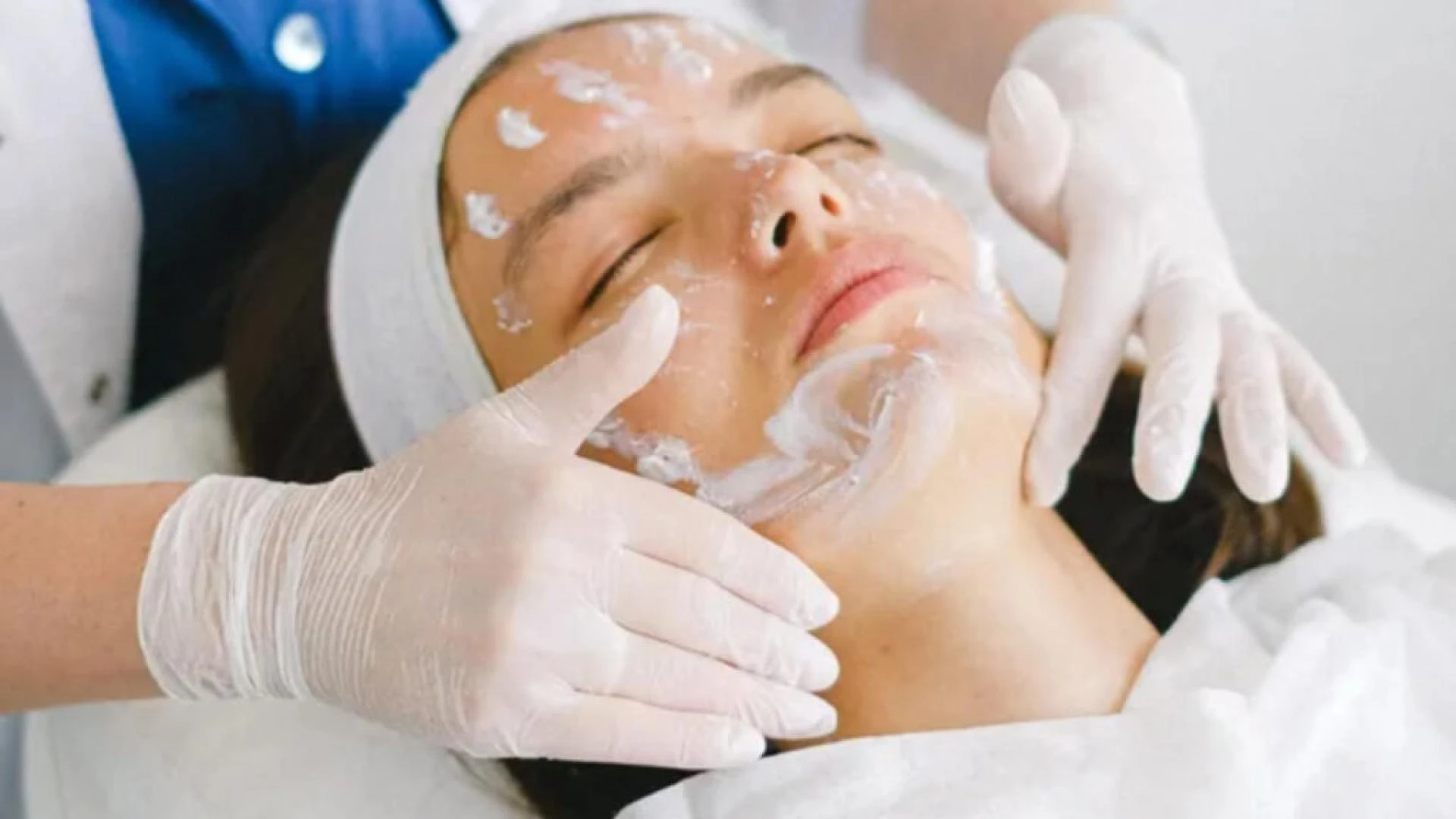

Few treatments have sparked as much intrigue and controversy as the vampire facial. Also known as the Platelet-Rich Plasma (PRP) facial, this procedure made headlines when celebrities began posting photos of their blood-smeared faces, igniting both fascination and horror.
But beneath the shock value lies a complex intersection of science, vanity, and cultural obsession with youth. So, what exactly is the facial? Why has it become such a phenomenon, and what are the potential risks and rewards?
What Is a Vampire Facial?
The vampire facial combines two cosmetic procedures: microneedling and the application of platelet-rich plasma (PRP) derived from the patient’s blood. First, a small amount of blood is drawn from the arm, spun in a centrifuge to isolate the plasma rich in platelets and growth factors, and then applied to the face.
Microneedling, a technique that creates tiny punctures in the skin, allows for deeper absorption of the PRP, promoting cell turnover and collagen production.
The idea is to use the body’s natural healing abilities to rejuvenate the skin. PRP has been used in sports medicine and orthopedics for years to help heal injuries faster. In the realm of aesthetics, it promises to improve skin texture, reduce fine lines and acne scars, and create a youthful, radiant glow.
The Origins of the Craze
Though PRP has been used in medical settings for decades, its cosmetic application gained widespread popularity after Kim Kardashian posted a now-infamous selfie of her blood-splattered face following a vampire facial in 2013. While Kardashian later revealed she regretted the procedure due to pain and pregnancy-related restrictions, the image went viral, and the demand for facials skyrocketed.
Since then, influencers, beauty bloggers, and medspas across the globe have marketed the treatment as the ultimate anti-aging hack. The allure lies in its perceived naturalness—because the treatment uses the patient’s own blood, it’s often billed as a more "organic" or "holistic" alternative to fillers or Botox.
The Science Behind the Blood
PRP is packed with growth factors, proteins that stimulate cell growth, tissue repair, and collagen production. When applied to the skin after microneedling, these growth factors can potentially enhance healing and stimulate new cell growth. Some small studies suggest PRP may improve skin tone and texture and reduce signs of aging more effectively than microneedling alone.
However, the science isn't universally conclusive. Many dermatologists and cosmetic surgeons acknowledge the potential benefits but caution that more robust clinical trials are needed to fully validate its efficacy. What is certain is that results vary from person to person, and the skill of the practitioner plays a critical role.
The Appeal: Youth, Status, and the Spectacle
Part of the facial’s allure is its dramatic visual: the idea of smearing your own blood across your face taps into something primal. It’s grotesque, yet oddly glamorous in a society obsessed with transformation and performance. The treatment aligns with a broader cultural moment where self-care, beauty, and medical aesthetics overlap—and where the line between wellness and spectacle continues to blur.
For many, it’s not just about the potential skin benefits. It’s also about participating in an exclusive beauty trend. The cost of a vampire facial can range from $750 to over $1,500 per session, making it a luxury experience. As such, it has become a status symbol, a mark of both wealth and insider knowledge of cutting-edge beauty technologies.
The Risks and Ethical Questions
Despite its popularity, the vampire facial isn’t without risks. Any procedure involving blood and skin puncturing must be performed in a sterile, controlled environment to avoid infection. In 2018, a spa in New Mexico was shut down after two clients reportedly contracted HIV following improper handling of blood during PRP facials. The incident underscored the importance of seeking treatment from licensed medical professionals and not unregulated beauty salons.
Beyond hygiene, there are also ethical questions about the normalization of invasive beauty procedures. Critics argue that treatments like the facial reinforce unrealistic beauty standards and prey on insecurities, particularly among women. While marketed as empowering or self-care, such procedures often pressure people to fix flaws that are simply natural signs of aging.
The Psychological Impact
The rise of procedures like the vampire speaks to deeper psychological and societal forces. In a world saturated with filtered selfies and high-definition everything, the pressure to look flawless is immense. The normalization of cosmetic enhancements—especially among younger generations—reflects a shifting baseline of what “natural beauty” even means.
For some, facials are an empowering choice—a way to take control of their appearance and invest in themselves. For others, they may be a symptom of a growing anxiety about aging and self-worth in a hyper-visual culture.
Where the Trend Is Headed
Like many beauty trends, the facial is evolving. Some clinics now offer PRF (Platelet-Rich Fibrin), which retains more of the body’s healing components and is thought to be even more effective than traditional PRP. Others are combining PRP with laser treatments or radiofrequency for enhanced results.
Meanwhile, at-home versions of microneedling devices and PRP-inspired serums are flooding the market, though professionals warn that DIY versions come with increased risks of infection and diminished results.
Conclusion
The vampire facial is more than a skin-deep trend—it’s a window into our collective fears and desires. At its core, the treatment encapsulates the paradox of modern beauty: the desire to be more “natural” while undergoing procedures that are anything but. It reflects our pursuit of youth, our fascination with transformation, and our willingness to bleed for beauty—sometimes literally.
Whether it’s a revolutionary skincare advancement or just another expensive fad, the facial forces us to ask deeper questions about what we value, how we see ourselves, and the lengths we’re willing to go to stay beautiful in a world that constantly demands perfection.














Sign in to leave a comment.