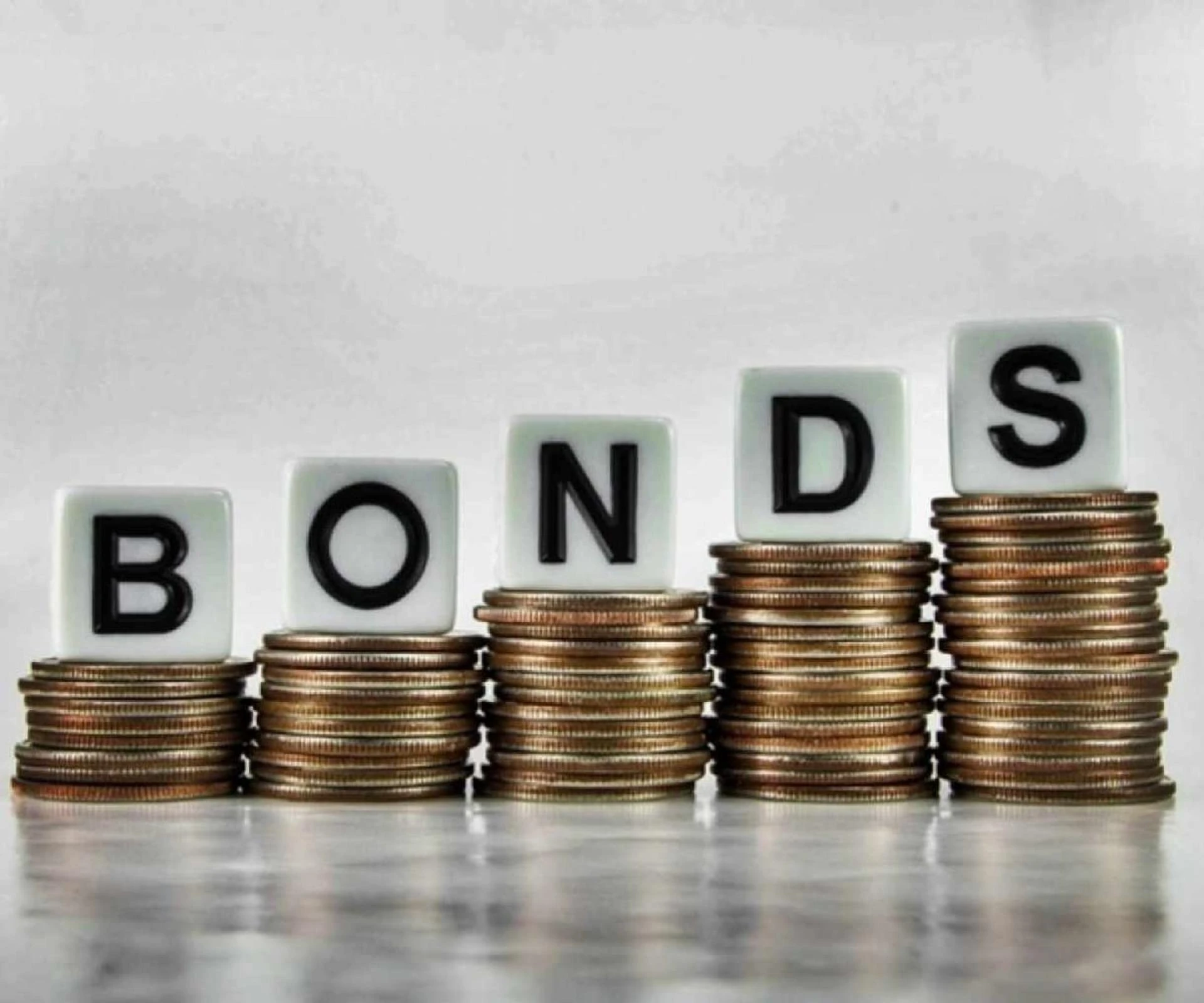

When people in India start to invest in bonds one phrase appears again and again on fact sheets and screens. That phrase is bond yield. If you understand what this number really means you are already ahead of many investors who look only at the coupon rate.
What is bond yield
In simple words bond yield is the return you earn on a bond based on the price you pay today. Coupon tells you how much interest is paid on the face value. Yield tells you what you actually earn on your own money.
If a bond has a face value of one thousand rupees and pays an annual coupon of eight percent the coupon is eighty rupees a year. But if you buy it at a discount or at a premium your effective return changes. Yield captures that change.
Current yield
The easiest version is current yield. It looks only at one year of interest and today market price.
Current yield equals
annual coupon divided by current market price
Suppose you have a bond with face value one thousand rupees coupon eight percent and current market price nine hundred fifty rupees.
Coupon is eighty rupees.
Current yield is eighty divided by nine hundred fifty which is a bit more than eight percent. You earn more than the coupon because you are paying less than face value.
If the same bond traded at one thousand fifty rupees the same coupon of eighty would give a current yield of eighty divided by one thousand fifty which is lower than eight percent. You pay more so your effective return falls.
Current yield is useful for a quick comparison when you want to see which listed bonds give more income at today prices.
Yield to maturity idea
Serious investors also look at yield to maturity often shortened to YTM. This is the rate of return you would earn if you buy the bond at today price hold it till maturity and receive all coupons on time.
YTM takes into account
- all future coupon payments
- the difference between purchase price and face value
- the time left to maturity
The exact YTM calculation needs a calculator or a spreadsheet because it solves for an interest rate that balances all cash flows. You do not have to do that by hand. What matters is how to read the number.
If two bonds from similar issuers have the same remaining maturity and one shows a higher YTM it usually means that bond carries more price risk or more credit risk. Sometimes it is simply trading cheaper because it is less popular or less liquid.
How to use bond yield in decisions
When you invest in bonds do not look only at coupon. Two bonds can both pay eight percent coupon but one may trade at a discount and one at a premium. Yield brings them to the same scale so that you compare fairly.
Bond yield also tells you how the market feels about interest rates. When overall yields in the market move up prices of existing fixed coupon bonds fall. Their coupons are now low compared with new issues so prices must drop until yields line up. When yields in the market move down the opposite happens. Existing bonds with higher coupons become more valuable and prices rise.
For a long term investor it is useful to link yield with personal goals. If your target for safe money is say seven percent before tax then any high quality bond with YTM above that level may deserve a look. If yields fall far below your target it may be better to shorten maturity stay partly in cash and wait for better levels rather than chase every issue.
In short bond yield is the language through which the bond market talks to you. Once you know how to read it you can invest in bonds with much more clarity because you are no longer guessing what return a price really offers.





















Sign in to leave a comment.