
Bone health is often thought of as a concern for older adults, but in reality, it begins much earlier. The strength of a person’s bones in later years depends on how well they were built in childhood and maintained through adulthood. A healthy skeletal system supports posture, movement and organ protection, yet bone fragility often develops quietly over time. By the time conditions such as osteoporosis are diagnosed, significant loss may have already occurred. This is why bone health prevention must start early and continue consistently through every stage of life.
Understanding Bone Health and Its Importance
Bones are living tissues that constantly renew themselves. During childhood and adolescence, new bone is created faster than old bone is broken down, which increases bone density. This process reaches its peak by around age thirty, after which bone mass gradually begins to decline. The higher the peak bone mass built during early years, the lower the chances of fractures and osteoporosis later in life.
Osteoporosis weakens the structure of bones, making them fragile and more likely to break even with minor falls. Studies by major health organisations such as the American Academy of Orthopaedic Surgeons and the National Institutes of Health emphasise that prevention through nutrition and lifestyle is far more effective than treatment after bone loss has occurred.
Why Prevention Should Start Early
The foundation for lifelong bone strength is laid in the first two decades of life. While genetics play a role, diet and physical activity have a significant impact on bone density. Nutritional deficiencies or lack of movement during these years can reduce the body’s ability to reach optimal bone mass.
Key Nutrients for Growing Bones
Calcium and vitamins for bones like Vitamin D are vital for bone formation. Calcium strengthens the structure, while Vitamin D helps its absorption. Dairy products, tofu, nuts and leafy greens are rich in calcium, while oily fish, egg yolks and fortified foods provide Vitamin D. Since limited sunlight exposure can cause deficiency, supplements are often recommended under medical guidance.
Exercise and Activity
Regular activity strengthens bones by stimulating growth. Weight-bearing exercises such as walking, skipping, or running are especially beneficial. Children and teens who stay active build denser, stronger bones than those with sedentary lifestyles. Over-exercising or restrictive dieting, however, can cause hormonal imbalances that weaken bone density.
Maintaining Bone Health in Adulthood
After thirty, bone formation slows. Maintenance depends on diet, movement and lifestyle choices. Adults who consume enough calcium and Vitamin D, avoid smoking, limit alcohol, and stay physically active are more likely to preserve bone strength.
Factors Affecting Bone Density
Low calcium intake, hormonal changes, certain medications and lack of exercise can accelerate bone loss. Women face greater risk after menopause due to lower estrogen levels, while men with low testosterone may experience similar effects.
Everyday Habits for Bone Support
Balanced meals containing calcium, protein, fruits and vegetables aid bone support. Fish like salmon and sardines, along with fortified cereals and dairy, are excellent choices. Regular sunlight exposure, moderate weight-bearing exercise and reduced caffeine or alcohol intake all contribute to maintaining bone mass.
Bone Health After 50
After fifty, bones naturally become thinner and weaker. Women, especially those post-menopause, face a higher risk of osteoporosis. At this stage, preventive care should include medical assessment. A bone density test, or DXA scan, helps evaluate bone strength and identify early signs of deterioration.
Low-impact exercises such as walking, yoga or light resistance training are ideal for maintaining mobility without strain. Adequate calcium and Vitamin D intake remains essential, along with safety measures at home to prevent falls. Proper lighting, anti-slip mats and supportive footwear can reduce fracture risks significantly.
The Role of Awareness and Preventive Healthcare
Public awareness plays an essential role in reducing osteoporosis. Global health organisations stress early education on nutrition and exercise, especially for women and children. Encouraging good maternal nutrition during pregnancy supports stronger bone formation in the next generation. Preventive check-ups and dietary advice can help detect risks before they become serious.
Building Stronger Bones for Life
Bone strength is a lifelong responsibility. It begins in childhood, matures in adulthood and requires attention in later years. Small choices balanced eating, regular activity and avoiding harmful habits add up to long-term protection.
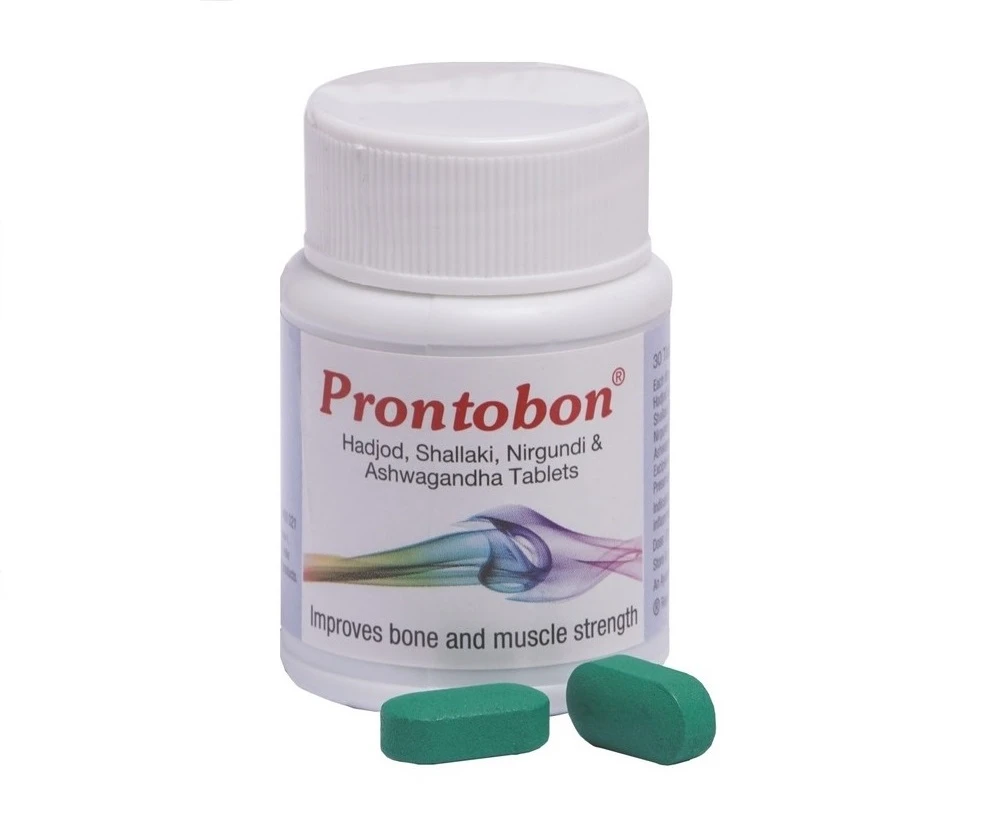
Investing in health early ensures a stronger body for the future. Those looking to maintain wellness can explore reliable healthcare products in India that promote bone health and overall vitality.
Strong bones are not built overnight. They are maintained through steady care, consistent habits and awareness at every age.

























Sign in to leave a comment.