
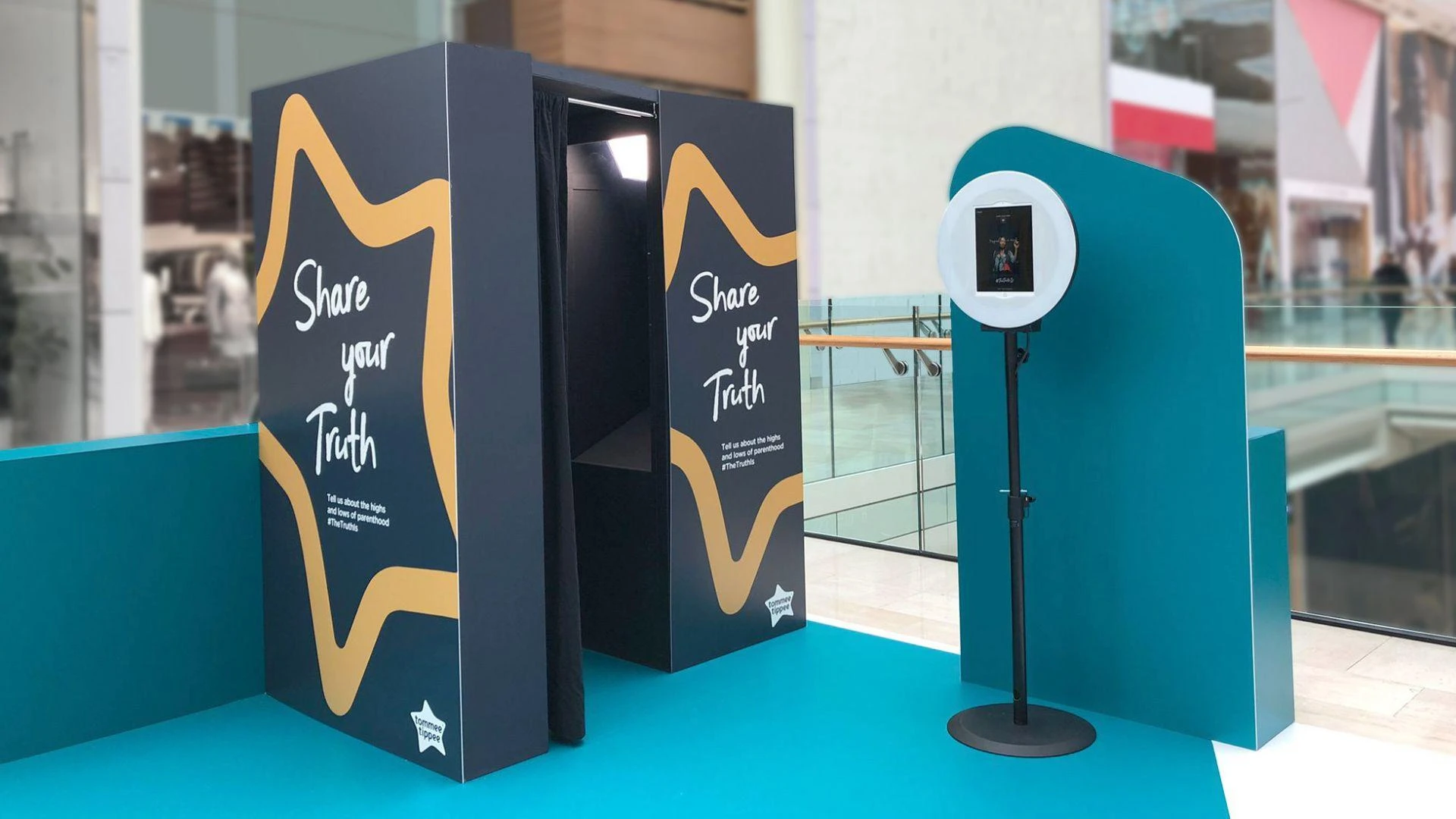
A self-service photo booth is a machine that lets guests take, print, and share their own photos. No staff needed. Just walk up, pay, pose, and get your picture.
People search for these machines under a few different names. Some look to buy a London phone booth when they want a classic-style unit for their venue. Others just want to know how the whole thing works before they commit to one.
The idea is simple. Put a camera, a printer, and a payment screen in one box. Let guests run the whole process themselves.
Why Does Self-Service Work So Well?
Guests act more natural when no one is watching them. That is the short answer. Take away the attendant, and people relax.
The Nostalgia and Speed Combo
Old school photo strips still feel special. People like holding a real print in their hand. But they also want it fast. A good booth gives both. It prints a strip in seconds and sends a digital copy to the guest's phone through a quick QR scan.
Groups Loosen Up Without an Audience
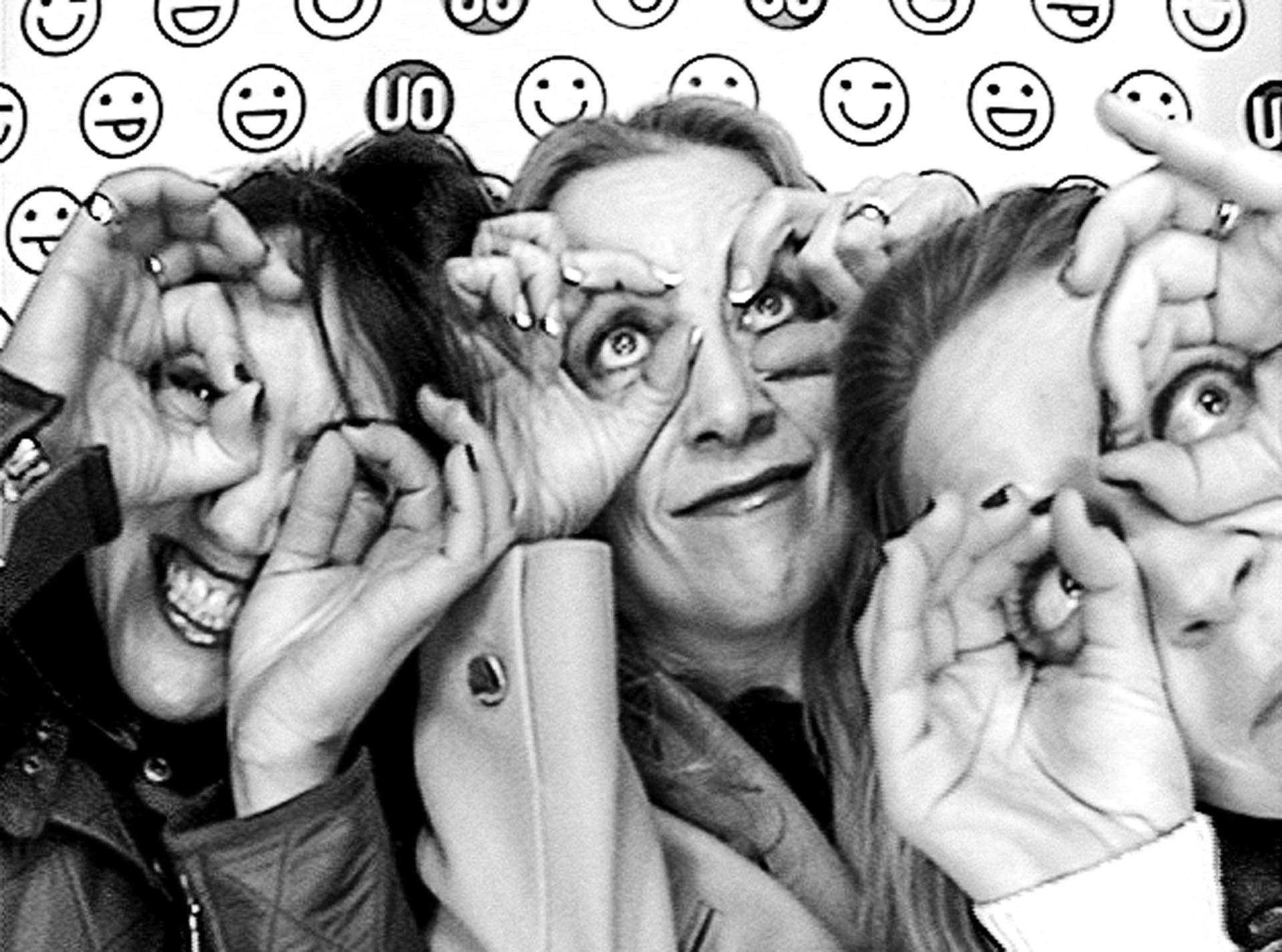
Nobody wants to make a silly face in front of a stranger with a camera. Take that stranger away and things change. Friends goof around more. Families smile instead of posing stiffly.
Photo Booth vs Mirror Photo Booth: What's the Difference?
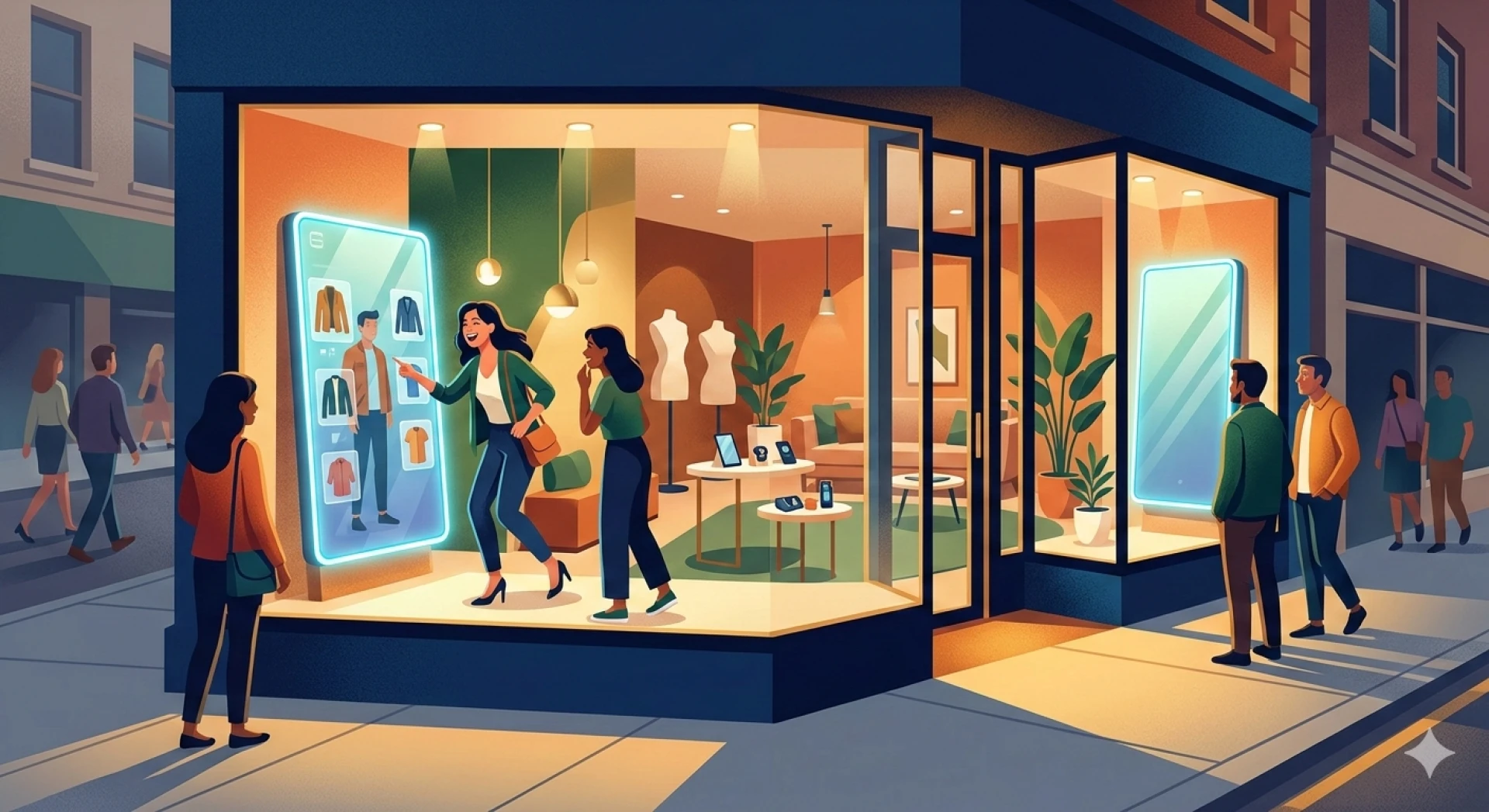
A standard photo booth uses a fixed camera behind a small frame. A mirror photo booth works differently. It uses a tall reflective screen that guests tap and swipe like a giant phone.
- Standard booths fit tighter spaces and cost less to run.
- Mirror booths need more floor space but draw bigger crowds since they look flashy from across a room.
Venues with wide open lobbies often go for the mirror style. Bars and smaller shops tend to stick with the classic booth.
How Is a Self-Service Kiosk Set Up at a Venue?
Setup usually happens in four steps, and none of them take very long.
Step 1: Pick the Right Spot
The team looks for a busy area near an entrance or a waiting zone. The spot needs a flat floor and a power outlet within about six feet.
- Steady foot traffic matters most.
- The spot should be visible, not tucked in a corner.
Step 2: Lock the Machine in Place
Once the spot is picked, the unit gets anchored down. Steel frames and locking casters keep it steady, even in a busy bar on a Friday night.
Step 3: Connect Payments and Wi-Fi
Next, the machine connects to Wi-Fi or a cell network. This lets it take card payments and lets the operator check on it remotely, without sending someone out every time.
Step 4: Adjust the Camera and Add Branding
Last, the camera gets tuned to the room's lighting. Then the venue's logo or a custom photo frame gets uploaded so every print carries the venue's brand.
How Do Photo Booths Bring in Free Marketing?
Every photo a guest prints or shares online carries the venue's name with it. That's free advertising every time someone posts to Instagram or TikTok.
A branded frame on every photo turns each guest into a small billboard for the business. They post the photo because it looks good. The venue's name just comes along for the ride.
How Much Does a Self-Service Photo Booth Cost to Run?
Most venues don't pay anything upfront. A lot of providers set these machines up on a revenue share deal instead of a lease. The venue earns a cut of each transaction, and the provider handles setup, upkeep, and repairs.
This lowers the risk for the venue. If the machine doesn't get used much, the venue isn't stuck paying a bill for a box sitting in the corner.
Choosing a Provider
There are a handful of companies that install these booths, and they don't all work the same way. Some lease the hardware outright. Others run a full revenue share model with no upfront cost.
Operators such as The Photo Booth Company, along with a few other regional providers, offer this kind of no-cost installation. Before picking one, it's worth comparing a couple of options side by side, looking at print quality, support response times, and how the revenue split works out for a venue like yours.
FAQs
What is a self-service photo booth?
It's a machine that lets guests take and print their own photos without any staff running it.
Why do photo booths work better without an attendant?
Guests act more relaxed and have more fun when there's no one watching them pose.
What's the difference between a photo booth and a mirror photo booth?
A standard booth uses a fixed camera behind a frame. A mirror booth uses a large touchscreen mirror instead.
How long does installation take?
Most setups finish within an hour, from picking the spot to calibrating the camera.
Do venues pay anything upfront?
Most don't. Many providers run on a revenue share model instead of charging a lease fee.






















Sign in to leave a comment.