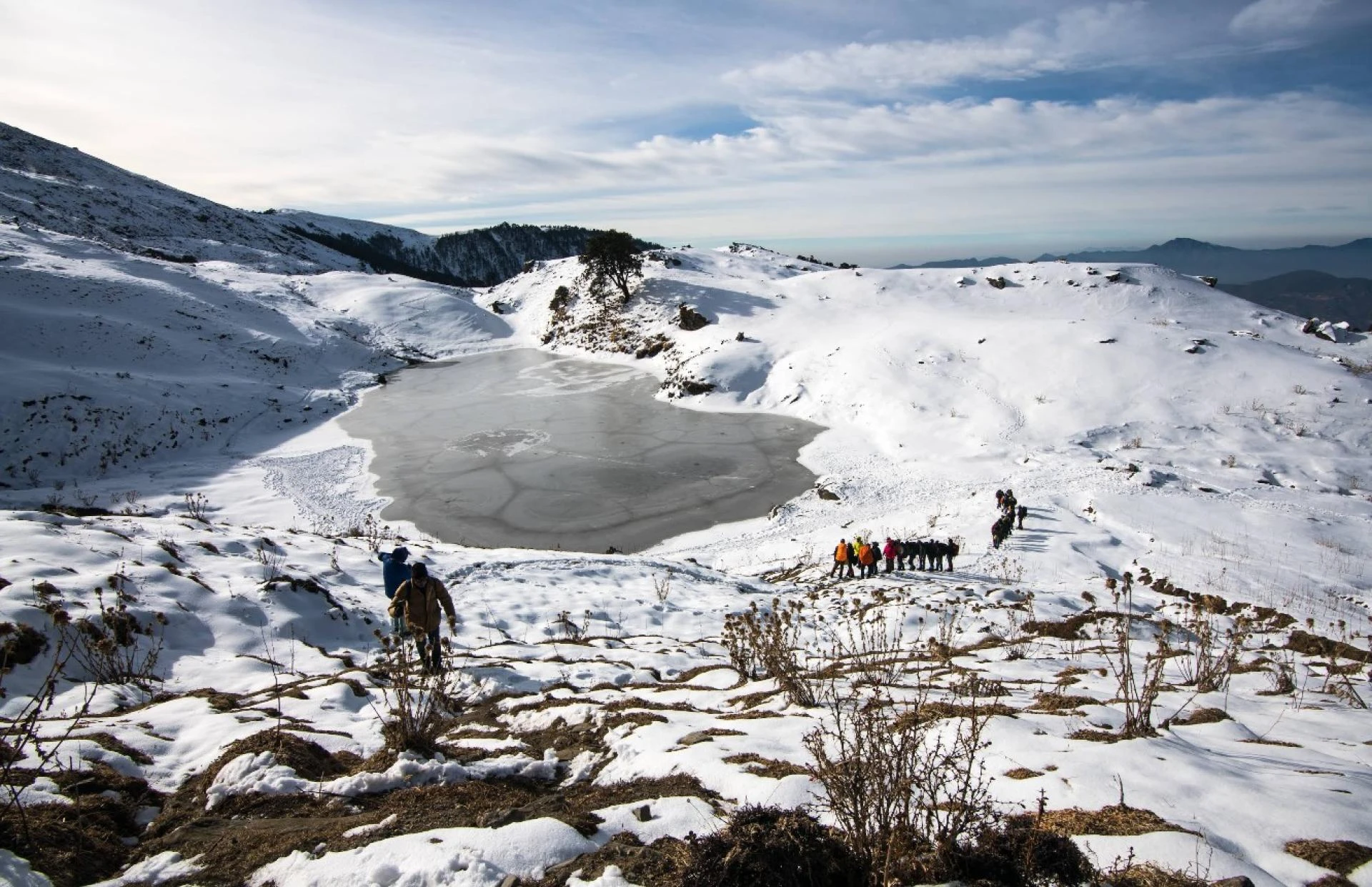

If you’re planning the Brahmatal Trek, chances are the first thing you Googled was “Brahmatal trek temperature.” And honestly, that’s a smart move. In the Himalayas, weather is not small talk—it decides your comfort, safety, and sometimes even your smile on the trail.
Brahmatal, located in Uttarakhand’s Chamoli district, is known for its winter snow, alpine forests, and postcard views of Mt. Trishul and Mt. Nanda Ghunti. But the experience changes completely with the season. Let’s break down the temperature, snowfall, best time to visit, and practical weather tips without confusion or fluff.
Why Understanding Brahmatal Trek Temperature Matters
Mountain weather does not follow city rules. A sunny morning can turn into a freezing evening faster than your phone battery drains in cold weather.
Knowing the Brahmatal Trek Temperature helps you:
- Pack the right clothing
- Choose the best trekking month
- Avoid weather-related risks
- Enjoy the trek instead of just surviving it
According to patterns shared by the India Meteorological Department (IMD) and experienced Himalayan trekking organizations, Brahmatal’s temperature stays on the colder side for most of the year due to its altitude (around 12,250 ft).
Brahmatal Trek Temperature Month wise Overview
Let’s look at how the temperature behaves across seasons. These ranges are based on long-term Himalayan weather trends and trekking data from reliable operators.
Winter (December to February): Peak Snow Season
Day Temperature: -2°C to 5°C
Night Temperature: -8°C to -12°C
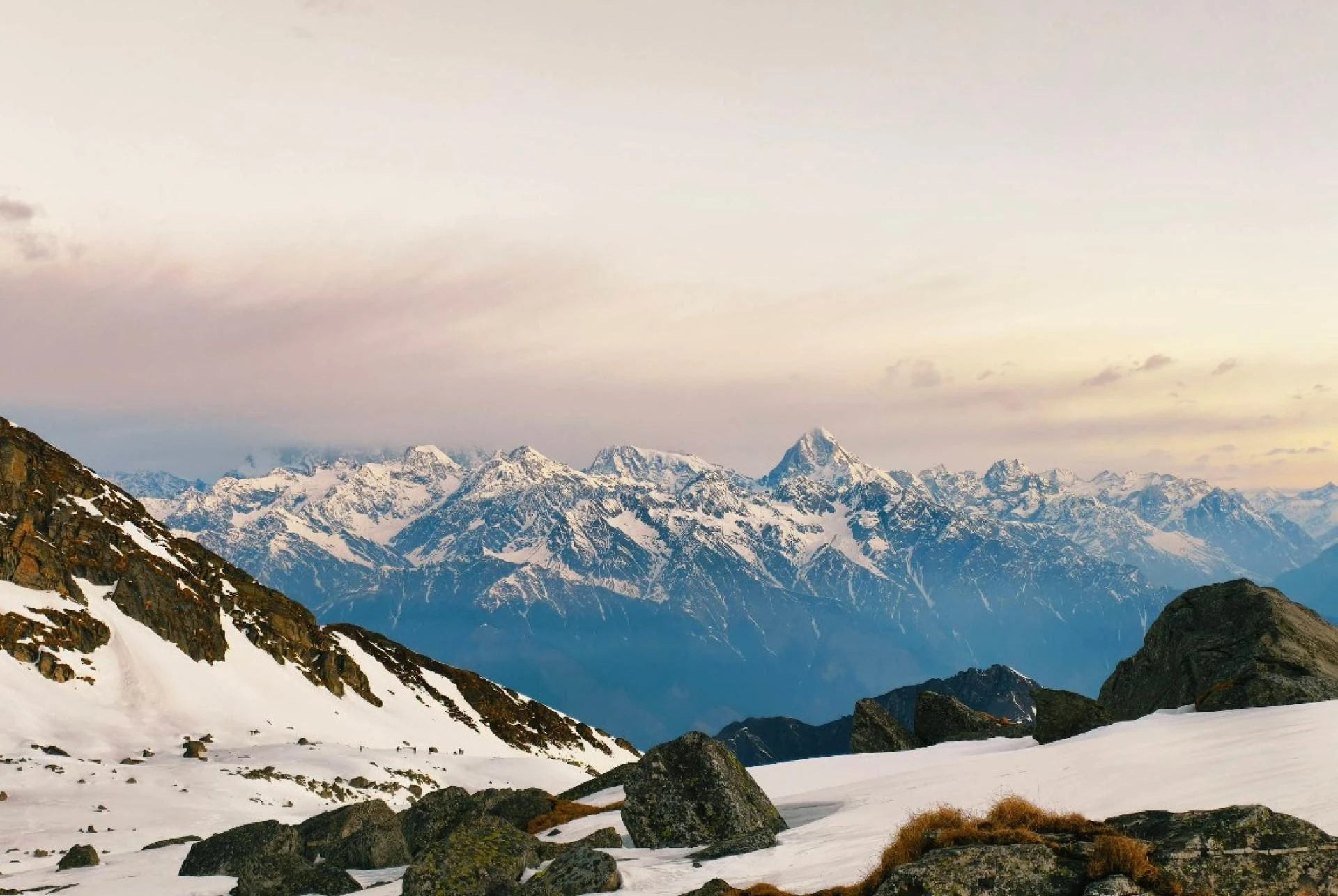
This is when Brahmatal trek truly becomes a winter wonderland. Snow blankets the trail, trees look straight out of a postcard, and frozen lakes add drama to the scenery.
January is usually the coldest month. Nights can feel brutal if you’re not layered well. The temperature drops quickly after sunset, and water bottles often freeze.
Snowfall during this period is consistent, making Brahmatal one of the best winter treks in India.
Best for: Snow lovers, photographers, experienced beginners
Not ideal for: People sensitive to cold or without winter gear

Spring (March to April): Balanced & Beautiful
Day Temperature: 5°C to 10°C
Night Temperature: -2°C to 3°C
Spring offers a sweet balance. Snow still remains on higher sections, but the cold becomes manageable. Days feel pleasant, especially while trekking under sunlight.
By late March, rhododendrons begin to bloom, adding color to the forest sections. The temperature during this time allows longer walking hours without exhaustion.
This season is often recommended by Uttarakhand Tourism and trek leaders for first-time Himalayan trekkers.
Best for: Beginners, landscape lovers
Snowfall: Light to moderate (mostly early March)

Summer (May to June): Mild but Snow-Free
Day Temperature: 10°C to 15°C
Night Temperature: 2°C to 6°C
Summer removes the harsh cold but also takes away the snow. The Brahmatal trek temperature becomes comfortable, especially during the day.
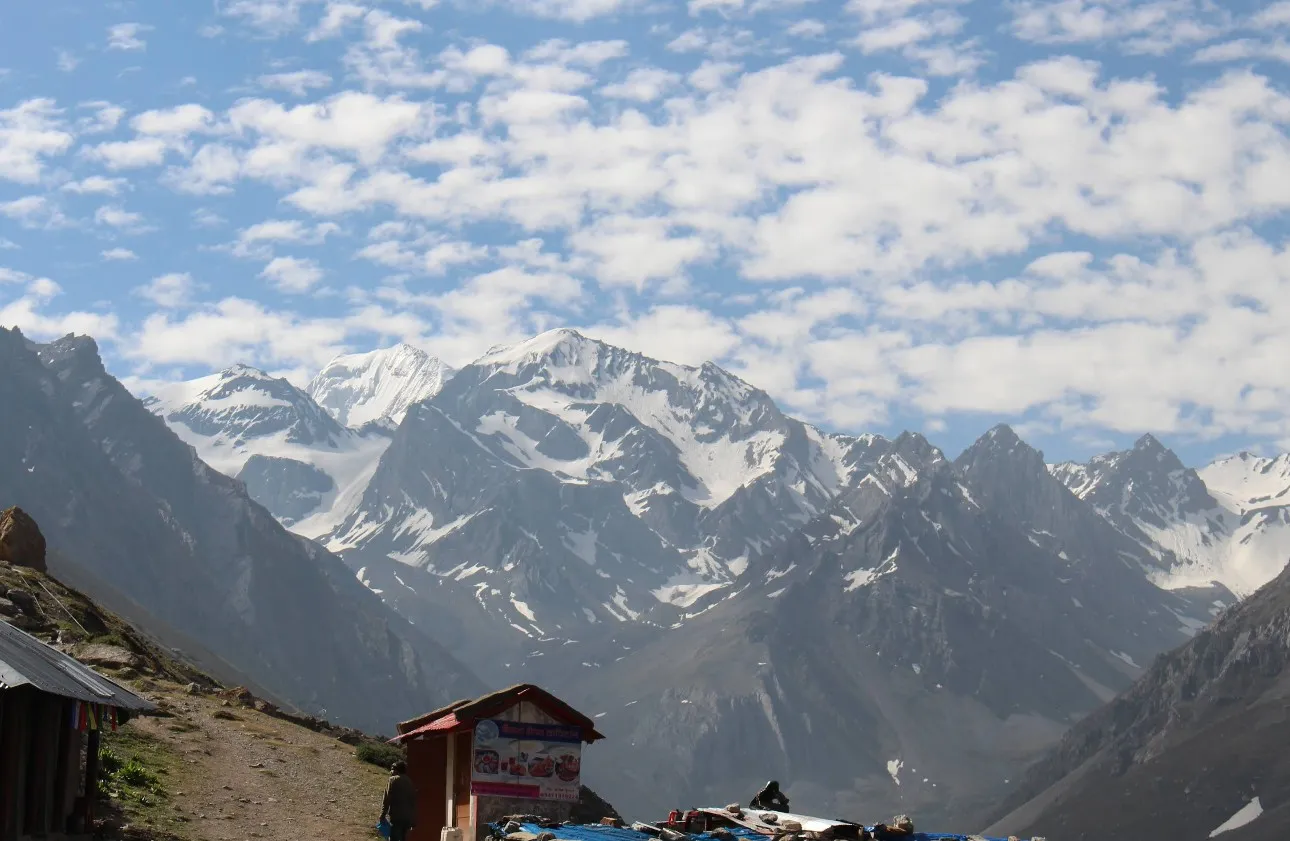
Trails are dry, skies are clearer, and views of surrounding peaks are sharp. However, if snow is your main goal, summer may feel slightly disappointing.
Still, this season works well for trekkers who prefer stable weather over dramatic snow scenes.
Best for: Comfortable trekking, clear mountain views
Snowfall: None
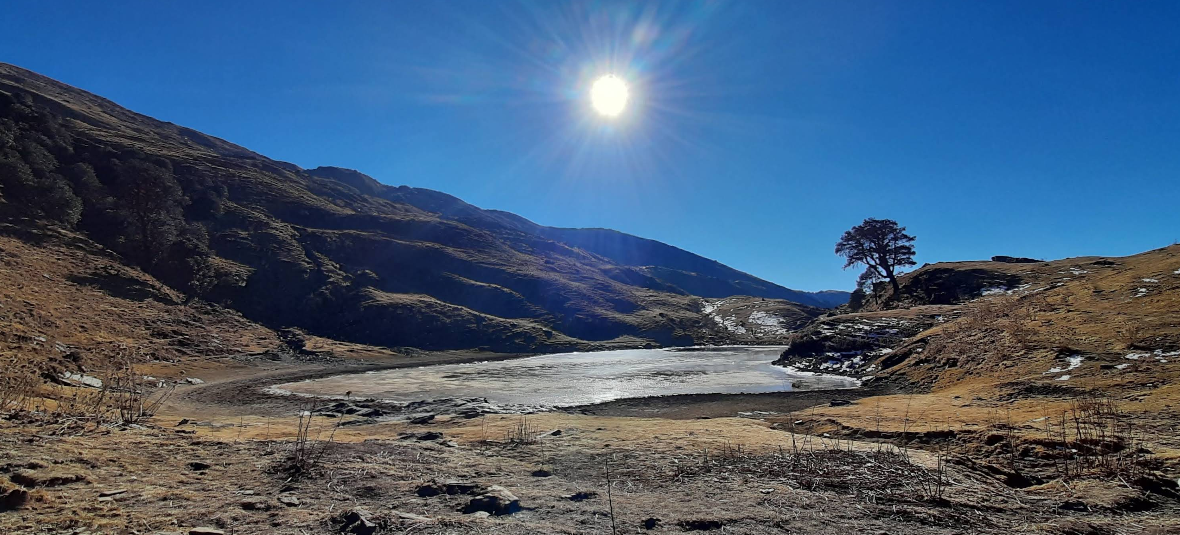
Monsoon (July to August): (Avoid in Monsoon)
Day Temperature: 12°C to 18°C
Night Temperature: 8°C to 12°C
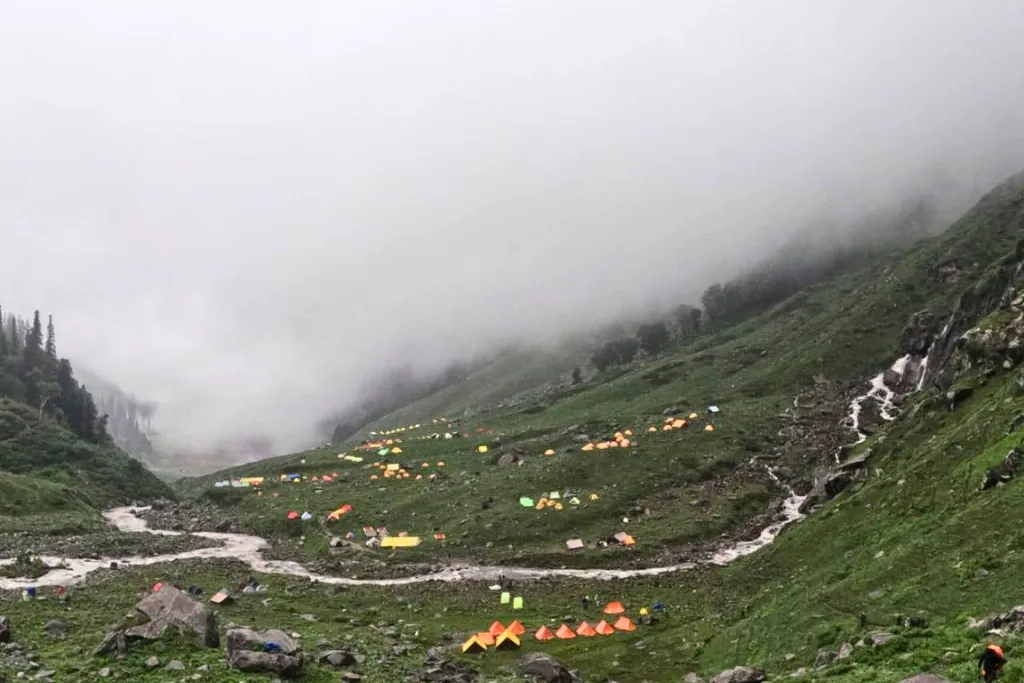
While temperatures look friendly on paper, monsoon brings other problems. Heavy rainfall, slippery trails, landslides, and poor visibility make Brahmatal unsafe during this time.
Most reputed trekking organizations avoid operating Brahmatal treks in peak monsoon due to safety concerns.
Best decision: Skip this season entirely
Autumn (September to November): Crisp & Clear
Day Temperature: 8°C to 12°C
Night Temperature: 0°C to 5°C
Autumn offers stable weather and crystal-clear skies. The temperature remains cool but not extreme. Nights start getting colder by late October.
Snowfall usually begins only towards the end of November. If you want cold weather without deep snow, this is a great window.
Best for: Clear views, less crowd
Snowfall: Rare (early season)
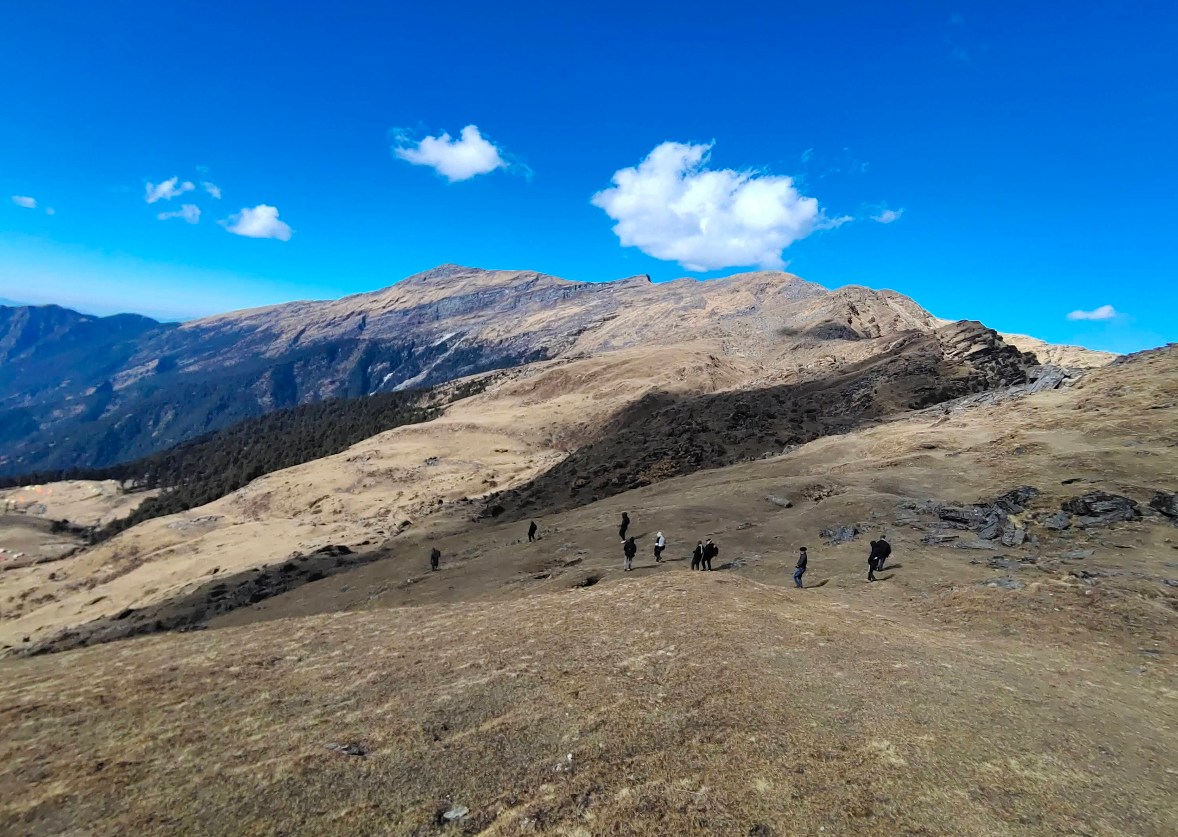
Snowfall on Brahmatal Trek: What to Expect
Snowfall on the Brahmatal trek depends heavily on timing.
- December to February: Heavy and consistent snowfall
- March: Leftover snow + occasional fresh spells
- April onwards: Snow melts quickly
According to experienced local guides and trekking companies operating in the region, January and February offer the most reliable snow conditions.
If your goal is snow trekking, plan strictly within peak winter months.
Best Time to Visit Brahmatal Trek (Weather wise)
Choosing the best time depends on what you want.
- For snow: January to February
- For comfort + views: March to April
- For stable dry trails: October to November
From a temperature and safety perspective, March and early April provide the most balanced trekking experience.
Essential Weather Tips for Brahmatal Trek
Understanding the Brahmatal trek temperature is only useful if you prepare accordingly.
1. Layering Is Non-Negotiable
Use the three-layer system:
- Thermal base layer
- Insulating mid-layer (fleece/down)
- Waterproof outer shell
2. Protect Extremities
Cold feet and fingers can ruin your mood fast. Good gloves, woollen socks, and a balaclava matter more than fashion.
3. Expect Cold Nights
Even in spring, night temperatures drop sharply. A good sleeping bag rated for sub-zero temperatures is essential.
4. Weather Can Change Quickly
Follow instructions from your trek leader. Himalayan weather respects experience, not confidence.
Final Thoughts
The Brahmatal trek temperature plays a major role in shaping your trekking experience. Whether you want knee-deep snow or a comfortable mountain walk, timing matters.
Plan smart, respect the mountains, and pack according to the season. Brahmatal rewards those who come prepared and gently punishes those who don’t.























Sign in to leave a comment.