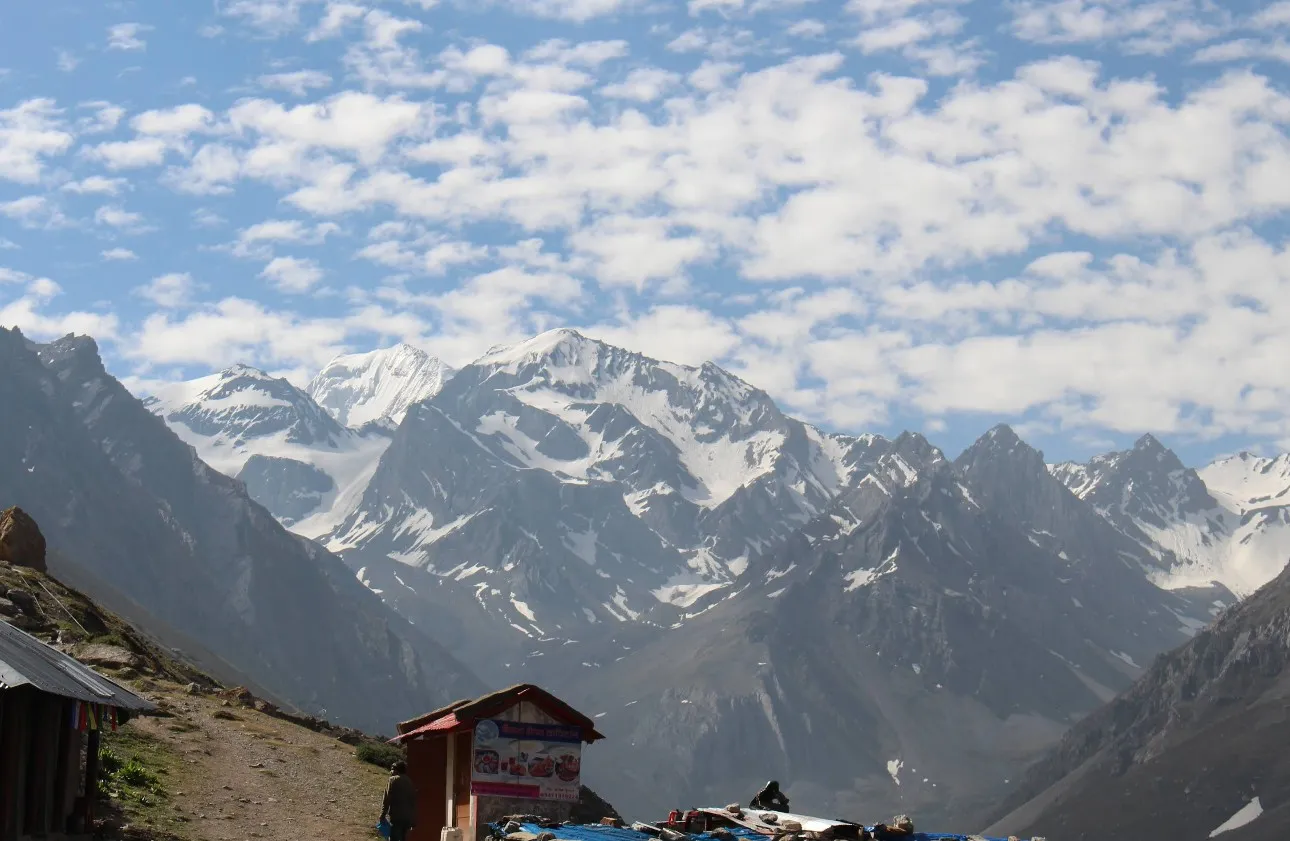

High in the remote corners of Uttarakhand, close to the Indo-Tibet border, lies a place that feels almost unreal. Snow-covered Himalayan peaks stand tall, cold winds rush through narrow valleys, and clouds move so fast that even your camera struggles to keep up. This is Nabidhang, one of the most important stops on the route to Adi Kailash and Om Parvat.
Most travelers know Nabidhang because of the famous natural “Om” symbol visible on Om Parvat. But this place offers much more than a quick photo stop. It is a raw Himalayan landscape where spirituality, geography, and adventure meet at high altitude.
If you are planning the Adi Kailash Yatra or exploring the Kumaon Himalayas, this guide will help you understand everything about Nabidhang in a practical and realistic way.
Where Is Nabidhang?
Nabidhang is located in the Pithoragarh district of Uttarakhand, close to the India-Nepal-Tibet border region. The area falls inside the beautiful Kumaon Himalayas.
The altitude of Nabidhang is around 13,000 to 14,000 feet, depending on the exact route and location. Due to its high-altitude setting and proximity to international borders, the region remains controlled and requires permits for entry.
Nabidhang comes on the traditional route toward:
- Om Parvat
- Adi Kailash
- Old Kailash Mansarovar pathway
The landscape here looks completely different from regular hill stations. Dense forests slowly disappear, roads become rugged, and massive Himalayan peaks dominate the horizon.
Why Is Nabidhang Famous?
Nabidhang is famous mainly because it offers one of the best views of Om Parvat.
Unlike fictional internet stories, the “Om” shape visible on the mountain is a real snow formation created naturally. During clear weather, travelers can easily spot the sacred symbol from the Nabidhang region.
For Hindu pilgrims, this sight holds strong religious significance. For trekkers and photographers, it becomes one of the most unforgettable Himalayan landscapes in India.
Apart from Om Parvat, Nabidhang is also known for:
- High-altitude Himalayan scenery
- Spiritual atmosphere
- Border region experience
- Remote mountain landscapes
- Ancient trade route history
- Adi Kailash Yatra route
And honestly, the remoteness itself becomes part of the attraction. No traffic noise. No tourist crowd screaming into Bluetooth speakers. Just mountains doing mountain things.
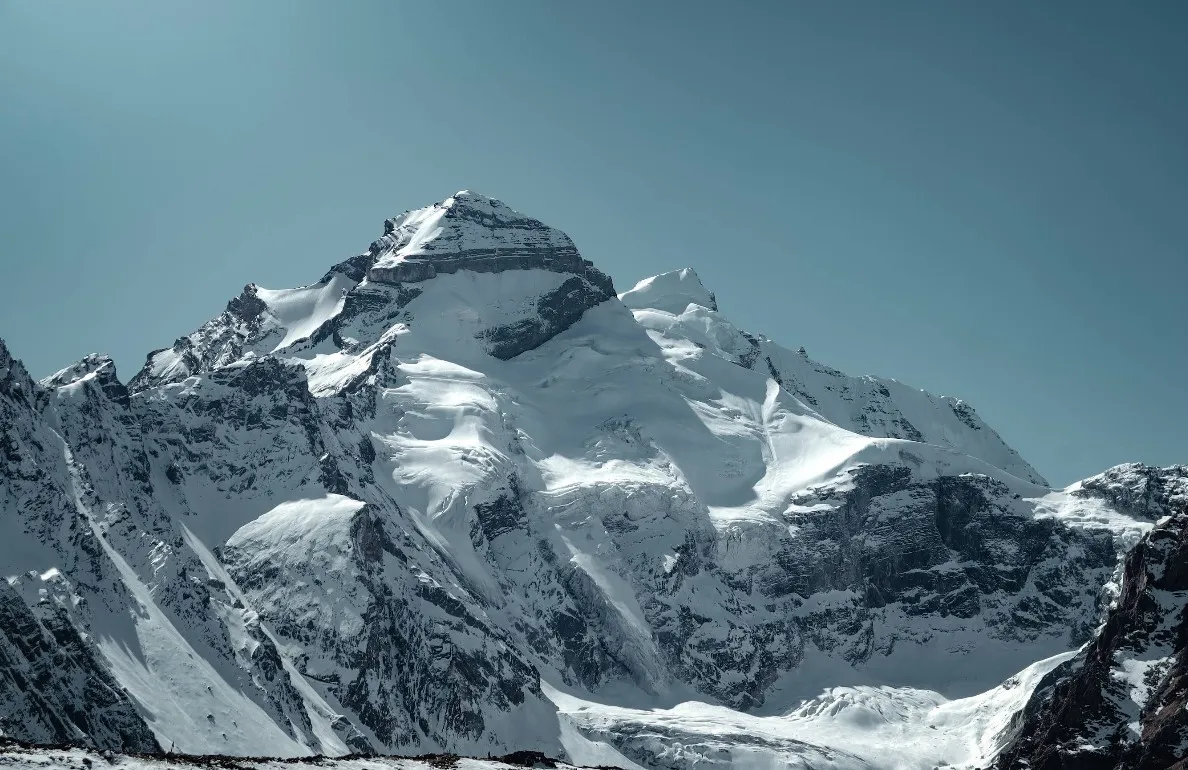
Spiritual Importance of Nabidhang
The entire Adi Kailash route carries spiritual significance in Hinduism, and Nabidhang plays an important role in that journey.
Many pilgrims visit this region with the belief that Adi Kailash represents the earthly abode connected with Lord Shiva. Om Parvat strengthens this connection because of the naturally visible Om symbol formed by snow.
Even travelers who arrive mainly for adventure often describe the atmosphere here as peaceful and deeply calming. The silence of high-altitude Himalayas creates a completely different experience compared to crowded pilgrimage towns.
Unlike commercial tourist destinations, Nabidhang still feels raw and untouched.
Best Time to Visit Nabidhang
The best time to visit Nabidhang is generally between May and October.
Here is a realistic seasonal breakdown:
May to June
- Pleasant daytime weather
- Clear mountain views
- Cold nights
- Better road accessibility
This period works best for most travelers and pilgrims.
July to August
- Monsoon season
- Frequent landslides
- Cloud cover around mountains
- Possible road delays
The valleys become greener, but travel conditions remain unpredictable.
September to October
- Excellent visibility
- Crisp mountain views
- Stable weather
- Cold mornings and nights
Many experienced travelers prefer this period because the post-monsoon skies remain cleaner.
Winter Season
Heavy snowfall blocks several sections of the route. Tourist movement usually becomes restricted during peak winter months.
How to Reach Nabidhang
Reaching Nabidhang takes time, patience, and a little mountain attitude adjustment.
This is not the type of destination where everything runs on perfect schedules.
Step 1: Reach Kathgodam
Kathgodam is the nearest major railway station. Most travelers from Delhi and nearby cities arrive here first.
Pantnagar Airport serves as the nearest airport, though rail travel remains more practical for many visitors.
Step 2: Travel to Dharchula
From Kathgodam, the road journey continues toward Dharchula, a beautiful Himalayan town near the Nepal border.
The drive passes through:
- Almora region
- Mountain valleys
- Pine forests
- River-side roads
- Kumaon Himalayan landscapes
Step 3: Dharchula to Gunji
After permit verification, travelers move toward:
- Tawaghat
- Malpa
- Budhi
- Garbyang
- Gunji
Road conditions can vary depending on weather and Border Roads Organisation maintenance work.
Step 4: Gunji to Nabidhang
The final stretch becomes more dramatic as altitude increases. Trees disappear slowly, the terrain turns rocky, and massive Himalayan peaks begin surrounding the route.
At this point, the mountains politely remind everyone that they are in charge here.
Adi Kailash Yatra Package and Nabidhang
Many travelers now prefer booking an Adi Kailash Yatra package because the journey involves permits, remote roads, accommodation management, and high-altitude travel planning.
Most Adi Kailash Yatra packages usually include:
- Transportation
- Accommodation
- Meals
- Permit assistance
- Sightseeing
- Local support staff
These packages commonly cover:
- Adi Kailash
- Om Parvat
- Nabidhang
- Gunji
- Kalapani
Booking an Adi Kailash Yatra package becomes especially helpful for families, senior citizens, and first time Himalayan travelers who may not want to manage logistics independently.
However, travelers should still check:
- Accommodation quality
- Vehicle condition
- Acclimatization support
- Medical backup
- Operator experience
- Group size
In remote Himalayan regions, proper planning matters far more than luxury.
Permits Required for Nabidhang
Because Nabidhang lies near an international border zone, travelers need official permits.
These generally include:
- Inner Line Permit
- Government ID proof
- Passport-size photographs
- Medical fitness documentation in some cases
Security checks happen at multiple locations during the journey.
Most organized Adi Kailash Yatra packages help travelers arrange these permits in advance.
Always carry extra photocopies of documents because remote mountain regions somehow demand paperwork at the exact moment you least expect it.
Weather Conditions at Nabidhang
Weather at Nabidhang changes rapidly.
A sunny morning can turn freezing within an hour due to cloud movement and strong mountain winds.
Typical conditions include:
- Cold temperatures
- Strong winds
- Sudden weather shifts
- Intense sunlight
- Low oxygen levels
Even during summer, nights remain cold.
Travelers should carry:
- Down jacket
- Thermal layers
- Waterproof jacket
- Woollen cap
- Gloves
- Sunglasses
- Sunscreen
- Good trekking shoes
Many people underestimate Himalayan sunlight because of the cold weather. The mountains usually correct this misunderstanding very quickly.
Can Beginners Visit Nabidhang?
Yes, beginners can visit Nabidhang, but preparation still matters.
Unlike difficult trekking routes, many travelers now reach Nabidhang through road-based Adi Kailash circuits. However, the altitude remains challenging for some visitors.
If you:
- Exercise regularly
- Stay hydrated
- Acclimatize properly
- Handle mountain travel comfortably
then the journey usually becomes manageable.
The biggest challenge here is altitude adjustment rather than trekking difficulty.
People with breathing issues or serious medical conditions should consult a doctor before planning the trip.
Mobile Network and Internet Connectivity
Do not expect strong internet connectivity in Nabidhang.
Mobile signals remain limited in many sections of the route. BSNL sometimes works in certain areas, but connectivity stays unreliable overall.
Electricity availability can also remain limited depending on weather and accommodation type.
This trip works best when you mentally prepare for a temporary digital detox.
Your social media notifications will survive without you for a few days.
Accommodation Near Nabidhang
Accommodation options near Nabidhang remain basic compared to popular hill stations.
Travelers usually stay in:
- KMVN guest houses
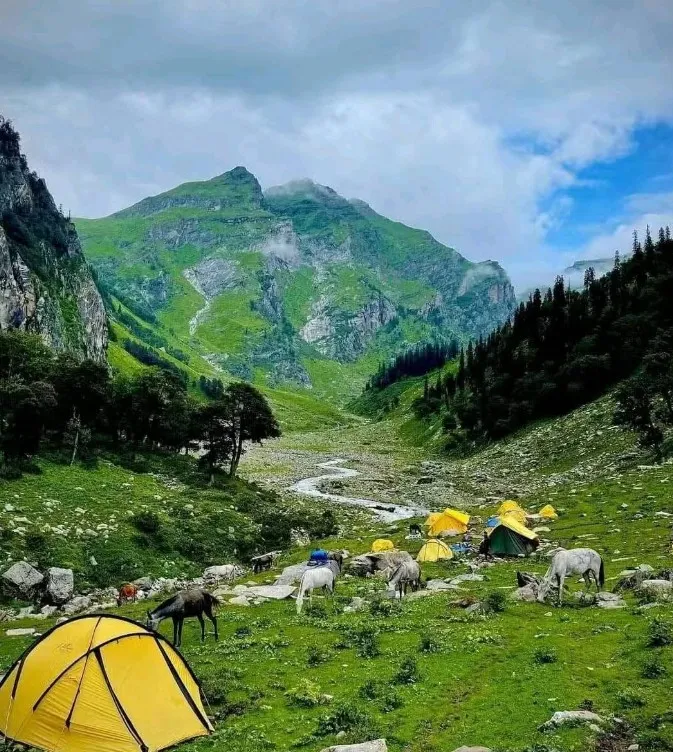
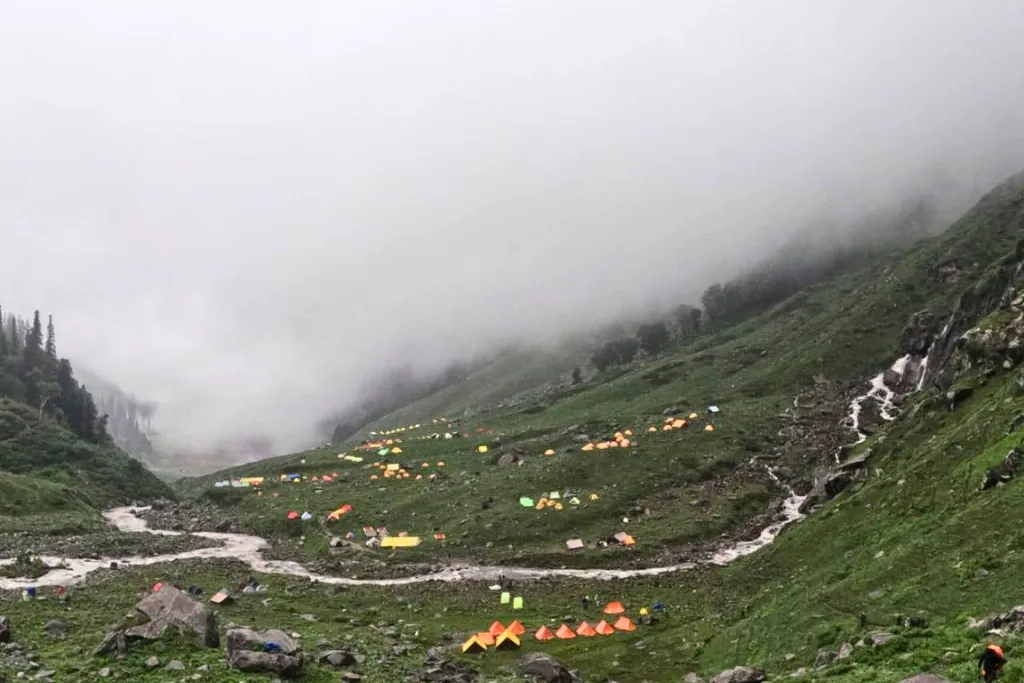
- Camps
- Homestays
- Simple lodges
- Tour-operated accommodations
Do not expect luxury hotels or premium resort facilities here.
Most stays offer:
- Basic bedding
- Simple meals
- Limited electricity
- Shared facilities in some areas
But after spending an entire day in cold Himalayan weather, even hot dal-rice starts feeling like a reward from the mountains.
Nearby Places to Visit
Om Parvat
The biggest attraction near Nabidhang is Om Parvat, famous for its naturally formed snow symbol resembling “ॐ”.
Clear weather improves visibility significantly.
Adi Kailash
Often called “Chhota Kailash,” Adi Kailash attracts pilgrims and travelers seeking spiritual Himalayan experiences.
Gunji Village
Gunji serves as an important halt point on the route and offers beautiful valley scenery.
Kalapani
Kalapani holds historical and geographical importance near the origin region of the Kali River.
Important Travel Tips for Nabidhang
Acclimatize Properly
Avoid rushing at high altitude.
Carry Cash
ATM availability becomes extremely limited after major towns.
Stay Hydrated
Hydration helps your body adjust better at higher elevations.
Keep Buffer Days
Weather and landslides can delay travel plans.
Respect Border Rules
Photography restrictions may apply in certain zones.
Pack Smartly
Warm clothing and waterproof gear remain essential even during summer.
Is Nabidhang Worth Visiting?
Absolutely.
Nabidhang offers something many modern tourist destinations have already lost — authenticity.
There are no fancy cafes here.
No nightlife.
No luxury shopping streets.
Instead, you get:
- Raw Himalayan landscapes
- Spiritual silence
- High-altitude adventure
- Borderland atmosphere
- Incredible mountain views
The experience feels real because the mountains remain untouched by heavy commercialization.
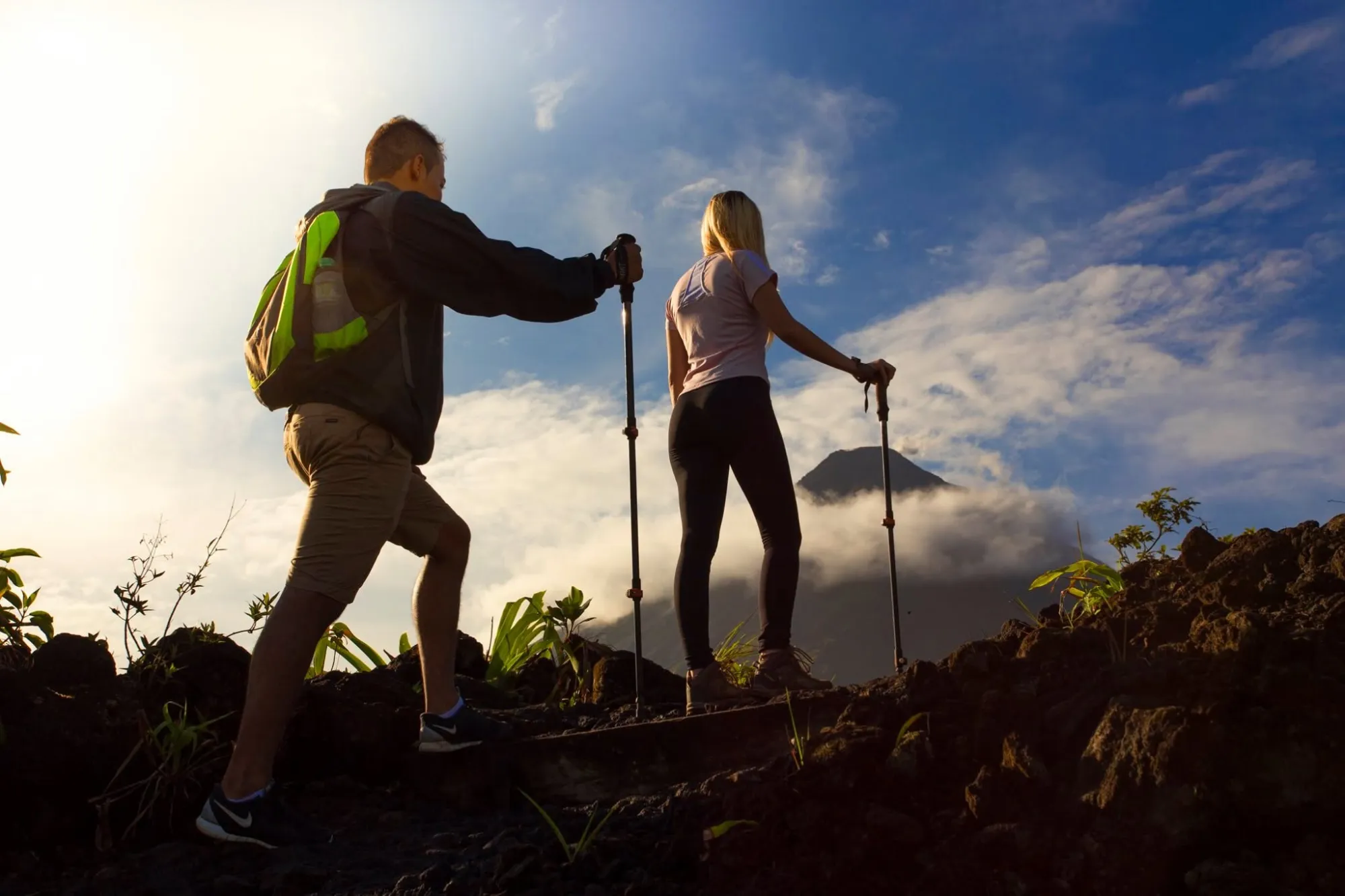
And when Om Parvat finally appears through the clouds, most travelers stop talking for a moment.
That silence usually says enough.
Final Thoughts
Nabidhang stands among the most unique high-altitude destinations in Uttarakhand. Whether you visit through an Adi Kailash Yatra package or plan the journey independently, the experience stays memorable because of the landscapes, spirituality, and remoteness of the region.
The roads may test your patience.
The weather may test your flexibility.
The altitude may test your stamina.
But the Himalayas here reward travelers with views and moments that feel genuinely unforgettable.
And honestly, some places do not need luxury to leave a lasting impression. Nabidhang proves that very clearly.






















Sign in to leave a comment.