
Choosing between one of the monsoon treks Kashmir Great Lakes and the Hampta Pass is not just about picking a trek it’s about choosing the kind of experience you want in the Himalayas.
One offers endless alpine lakes and rolling meadows, while the other delivers a dramatic crossover between two completely different valleys. Both are stunning, but they serve different types of trekkers.
Let’s break it down in a way that actually helps you decide.
Overview of Both Treks
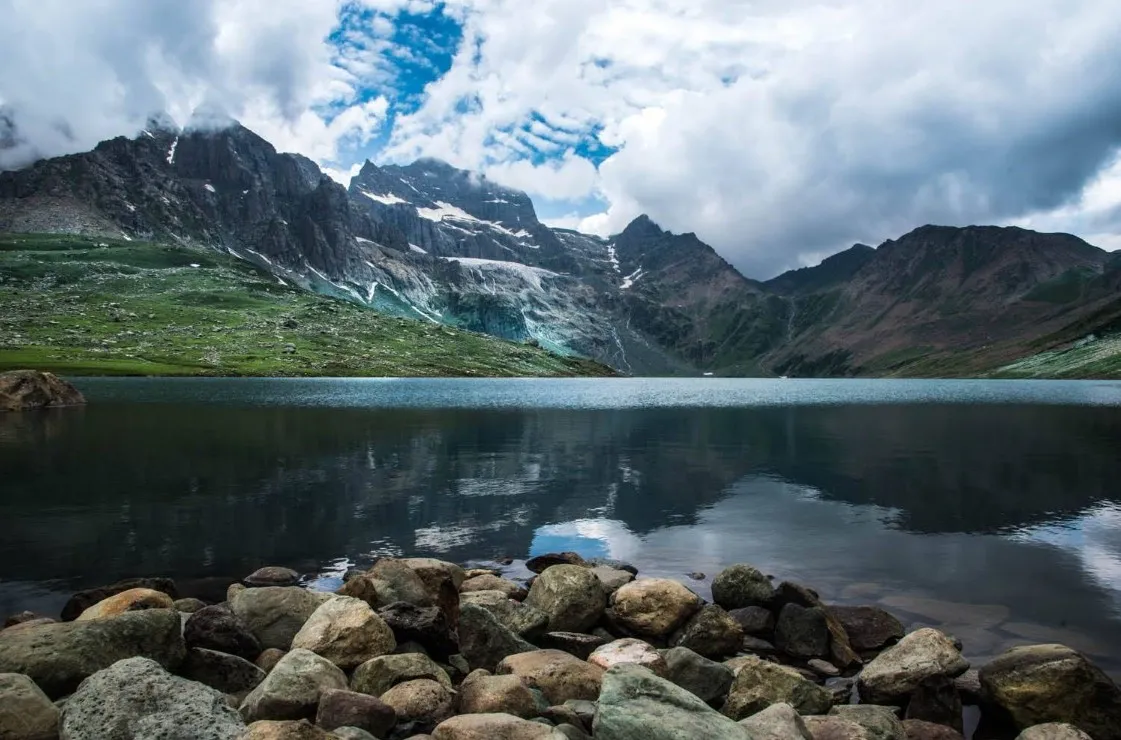
The Kashmir Great Lakes Trek takes you deep into the heart of the Kashmir Valley, where every day introduces a new alpine lake surrounded by vast meadows and snow-covered peaks. The trail feels long, immersive, and visually rich throughout.
Key highlights of this trek include:
- Multiple high-altitude lakes like Vishansar and Gadsar
- Expansive green meadows with glacier views
- A longer route that builds a deeper connection with the landscape
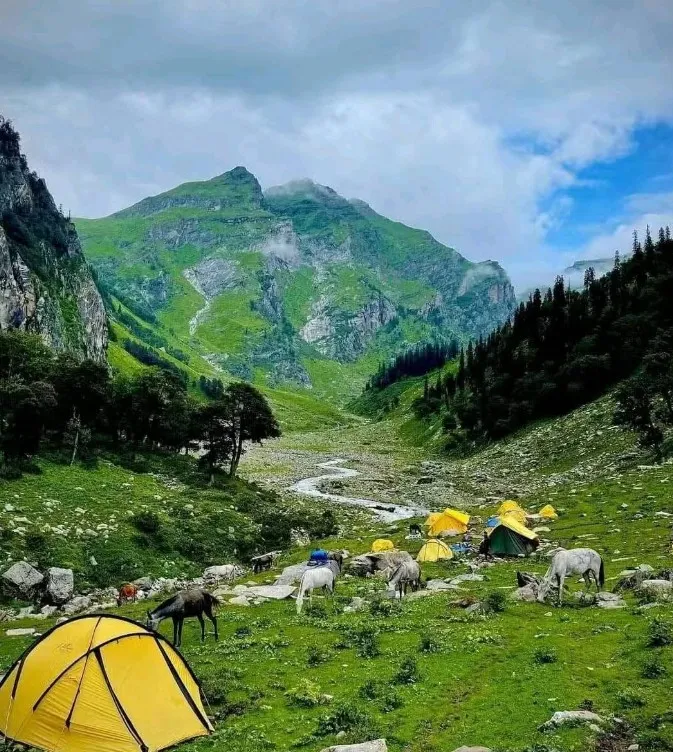
In contrast, the Hampta Pass Trek starts from the lush forests near Manali and crosses into the stark, barren terrain of Lahaul Valley. This trek stands out because of its dramatic shift in scenery within a short duration.
What makes Hampta Pass unique:
- A crossover trek connecting two distinct valleys
- Rapid landscape transformation within days
- Short yet visually diverse route
Difficulty Level: Which One Is Tougher?
The difficulty level often decides whether you will enjoy the trek or struggle through it. So it’s important to choose wisely.
The Kashmir Great Lakes Trek falls in the moderate to difficult category because it demands consistent effort over multiple days. You will cover long distances daily, and the altitude gain is gradual but continuous.
Challenges you should expect:
- Daily trekking distance of 10–12 km
- Multiple high passes above 13,000 ft
- Continuous physical effort without many easy days
On the other hand, the Hampta Pass Trek is much more forgiving. It is widely considered beginner-friendly, mainly because of its shorter duration and manageable terrain.
Why Hampta Pass is easier:
- Shorter trekking days
- Only one major pass crossing
- Gradual altitude gain with better recovery time
If you are just starting your trekking journey, Hampta Pass makes a smarter first choice.
Landscape and Scenic Beauty
This is where both treks shine but in very different ways.
The Kashmir Great Lakes Trek feels like walking through a painting that never ends. Every day presents a new lake, and each one looks slightly different depending on the light, weather, and surrounding peaks.
What defines its beauty:
- Crystal-clear alpine lakes at different altitudes
- Endless meadows stretching across valleys
- Consistent scenic richness throughout the trek
Meanwhile, the Hampta Pass Trek focuses more on contrast than continuity. The sudden shift from greenery to barren mountains creates a powerful visual experience.
What makes Hampta visually exciting:
- Dense forests and waterfalls in the beginning
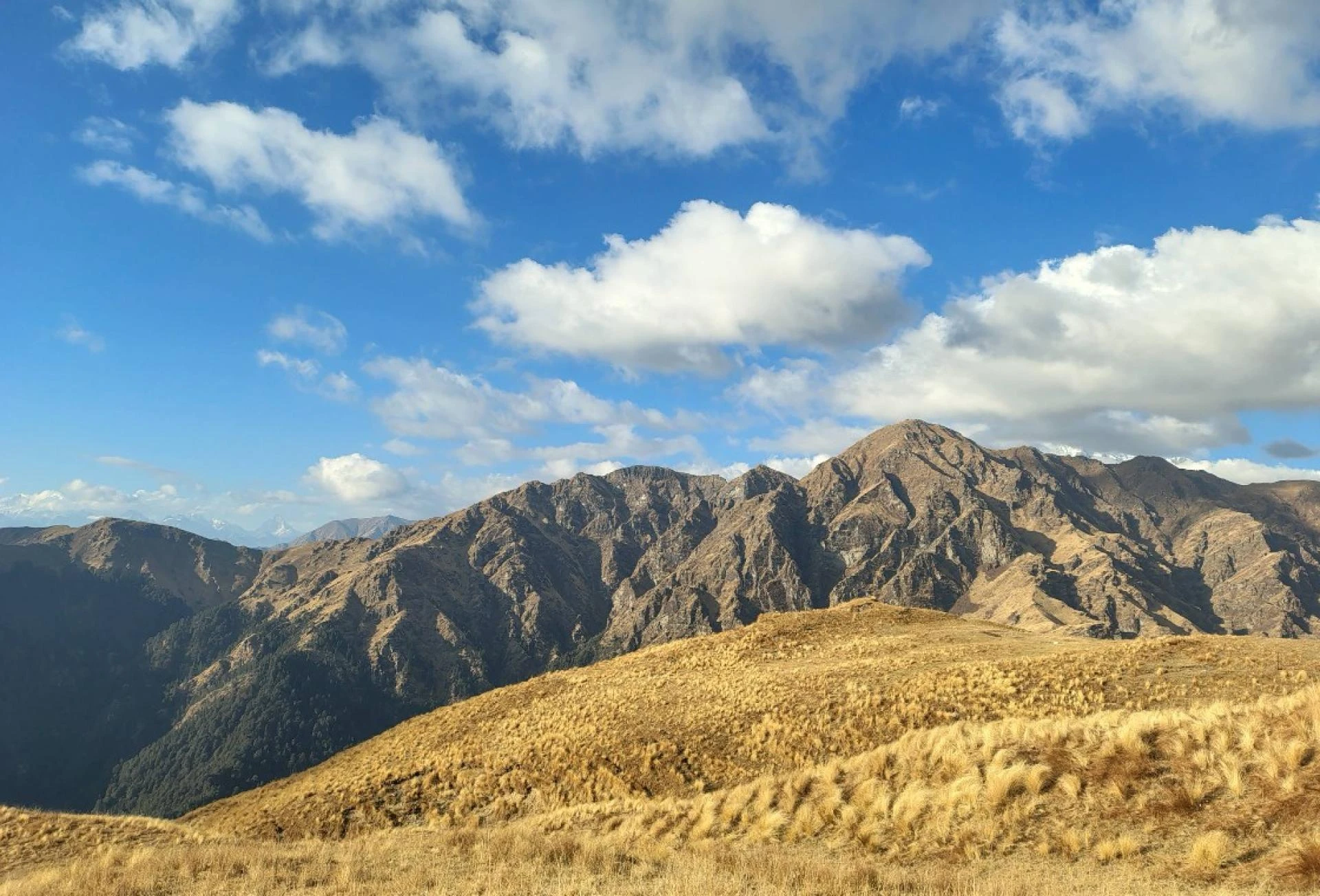
- Rocky, desert-like terrain after crossing the pass
- A strong sense of transition between ecosystems
If you love variety, Hampta surprises you. If you love consistency, Kashmir Great Lakes wins your heart.
Duration and Time Commitment
Time plays a major role, especially if you are planning around work or travel schedules.
The Kashmir Great Lakes Trek requires a longer commitment, making it ideal for those who can dedicate over a week to trekking. It’s not something you rush—it’s something you experience slowly.
What to expect:
- 7-8 days of trekking
- Additional travel days required
- A complete 9-10 day plan
In comparison, the Hampta Pass Trek fits perfectly into a shorter itinerary. It’s compact but still delivers a full Himalayan experience.
Time advantages of Hampta:
- 4-5 days of trekking
- Easy to plan within a week
- Suitable for quick getaways
If time is limited, Hampta Pass becomes the practical choice.
Best Time to Visit
Both treks operate within a similar seasonal window, but the experience changes depending on the month.
The Kashmir Great Lakes Trek is best visited between July and September, when the snow melts and reveals lush meadows and vibrant lakes.
Seasonal highlights include:
- Fully visible alpine lakes
- Green valleys at peak beauty
- Stable trekking conditions
For the Hampta Pass Trek, the same months apply, but each month offers a slightly different experience.
What changes across months:
- June brings snow crossings
- July and August offer greenery and streams
- September gives clear skies and sharp views
Hampta offers more variation, while Kashmir Great Lakes offers peak beauty in a specific window.
Cost Comparison
Budget matters, especially when you are planning multiple treks.
The Kashmir Great Lakes Trek tends to be more expensive due to its longer duration and logistics.
Typical cost factors:
- More days mean higher operational costs
- Remote locations increase expenses
- Average cost ranges higher
In contrast, the Hampta Pass Trek is more budget-friendly and accessible.
Why it costs less:
- Shorter itinerary
- Easier logistics
- Lower overall expenses
If you are trekking on a budget, Hampta Pass makes more sense.
Crowd and Overall Experience
Your trekking experience often depends on how crowded the trail feels.
The Kashmir Great Lakes Trek feels more raw and less commercial. You get long stretches of peaceful trails and a deeper connection with nature.
What to expect:
- Fewer trekking groups
- Quiet campsites
- A more immersive experience
On the other hand, the Hampta Pass Trek attracts a larger number of trekkers due to its popularity.
Crowd characteristics:
- Busy camps during peak season
- More social interaction
- Slightly less solitude
If you prefer silence, Kashmir Great Lakes is the better pick.
Final Verdict
Both treks are incredible, but they serve different purposes.
Choose the Kashmir Great Lakes Trek if you want a long, scenic journey filled with lakes, meadows, and immersive landscapes. It rewards patience and effort with unmatched beauty.
Go for the Hampta Pass Trek if you want a shorter, beginner-friendly adventure that still delivers dramatic terrain changes and a strong sense of achievement.
If possible, don’t choose plan both. Because once you start trekking in the Himalayas, one trek is never enough.





















Sign in to leave a comment.