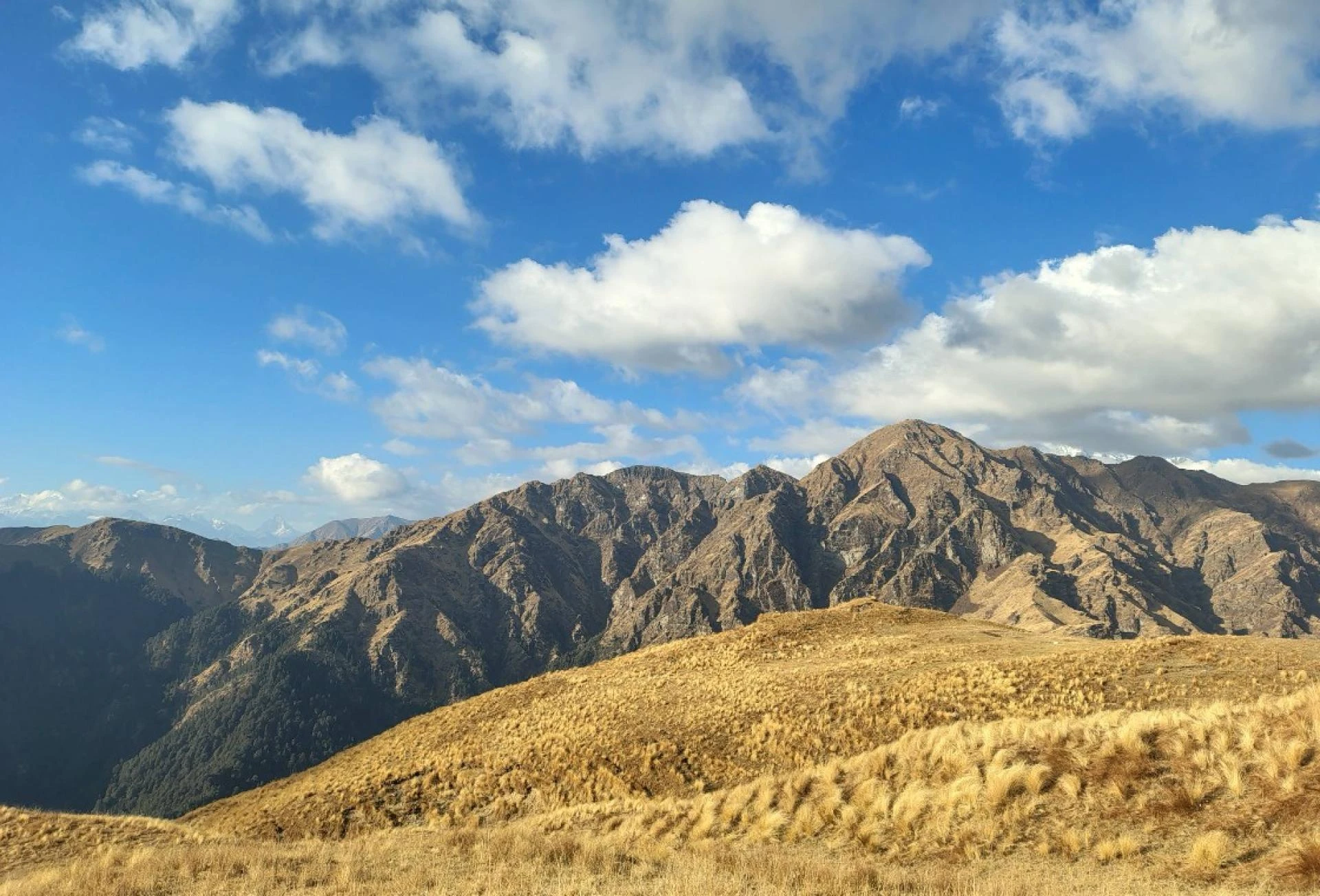

Planning a trek in the bugyals often comes down to one key question: when should you go? The answer matters even more for high-altitude meadows like the stunning Ali and Bedni Bugyal. These twin alpine grasslands in Uttarakhand change their personality with every season.
If you pick the right time, you will walk through green carpets, blooming flowers, or snow-covered landscapes. Pick the wrong time, and you might face blocked trails or unpredictable weather.
This guide breaks down the best time to visit Ali Bedni Bugyal Trek based on weather, views, safety, and overall experience.
Overview of Ali Bedni Bugyal Trek
The Ali Bedni Bugyal trek sits in the Garhwal Himalayas and ranks among the most scenic meadow treks in India. It usually starts from Lohajung, a small mountain village in Chamoli district.
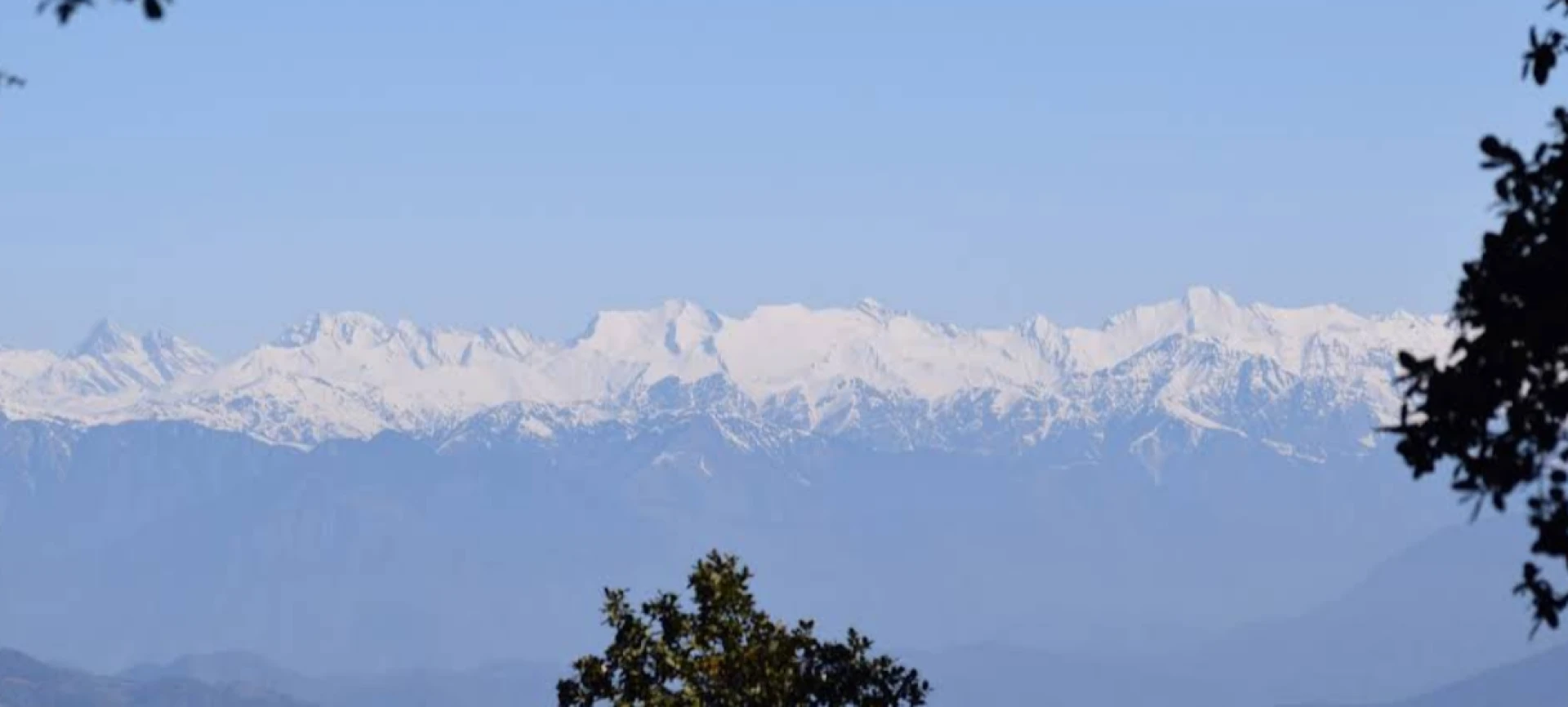
The trek takes you through oak forests, rhododendron trails, and wide open bugyals. These meadows sit at around 11,000-12,500 feet and offer clear views of peaks like Trishul and Nanda Ghunti.
Since the landscape changes drastically with seasons, timing your visit becomes crucial.
Best Time to Visit Ali Bedni Bugyal Trek (Season Breakdown)
You can explore the Ali Bedni Bugyal trek across three main seasons spring to early summer, post-monsoon autumn, and winter. Each period brings a distinct charm, so choosing the best time to visit Ali Bedni Bugyal trek depends on the kind of experience you want, whether it’s blooming forests, clear mountain views, or snow-covered trails.
Spring Season (March to April)
Spring marks the beginning of the trekking season after winter snow starts melting.
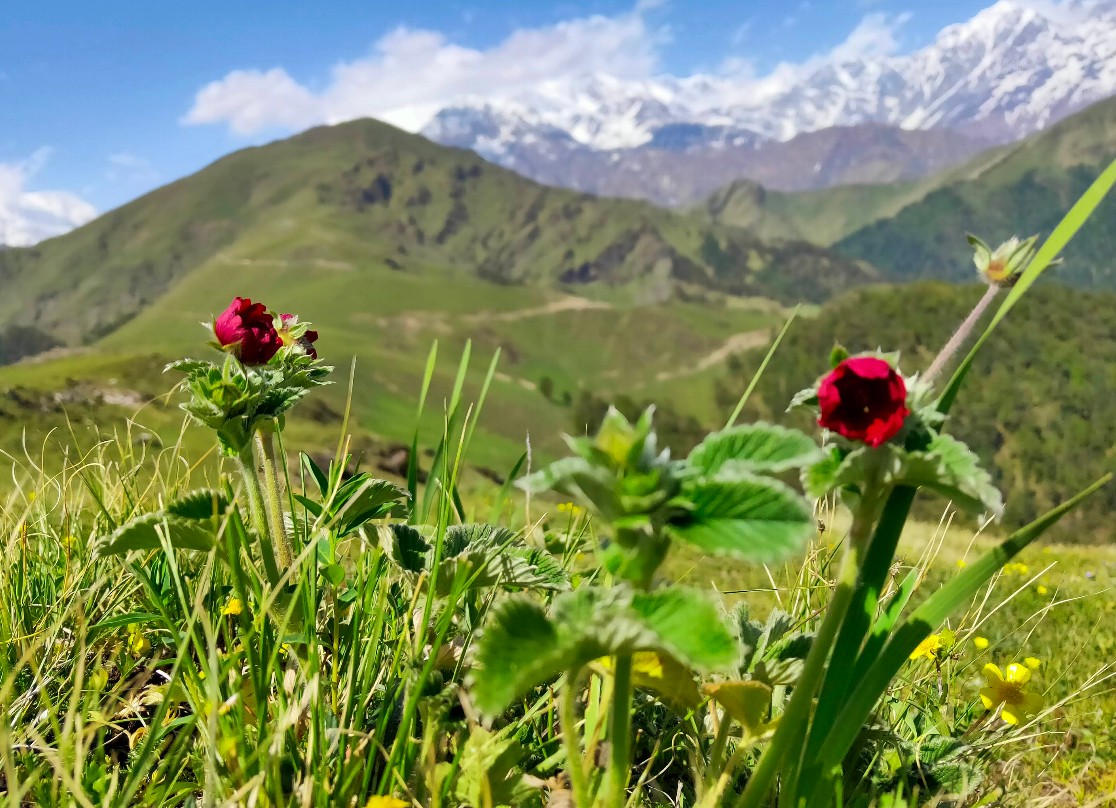
During this time, the forests come alive with blooming rhododendrons. You will see bright red and pink flowers lining the trail, especially in lower altitudes.
The weather stays pleasant during the day, with temperatures ranging between 10°C to 18°C. Nights still feel cold, often dropping close to freezing.
Why Choose Spring?
- Fresh greenery after winter
- Flower-covered trails
- Moderate crowd levels
Things to Keep in Mind
Some patches may still have snow, especially near Bedni Bugyal. You should carry proper trekking shoes with good grip.
Spring suits beginners who want a balanced mix of snow and greenery without extreme cold.
Summer Season (May to June)
Summer is one of the most popular times for the Ali Bedni Bugyal trek.
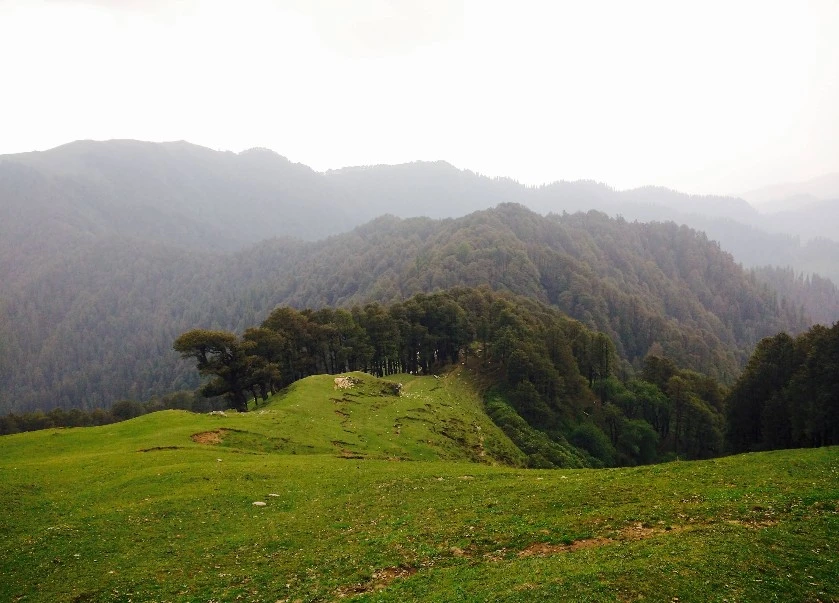
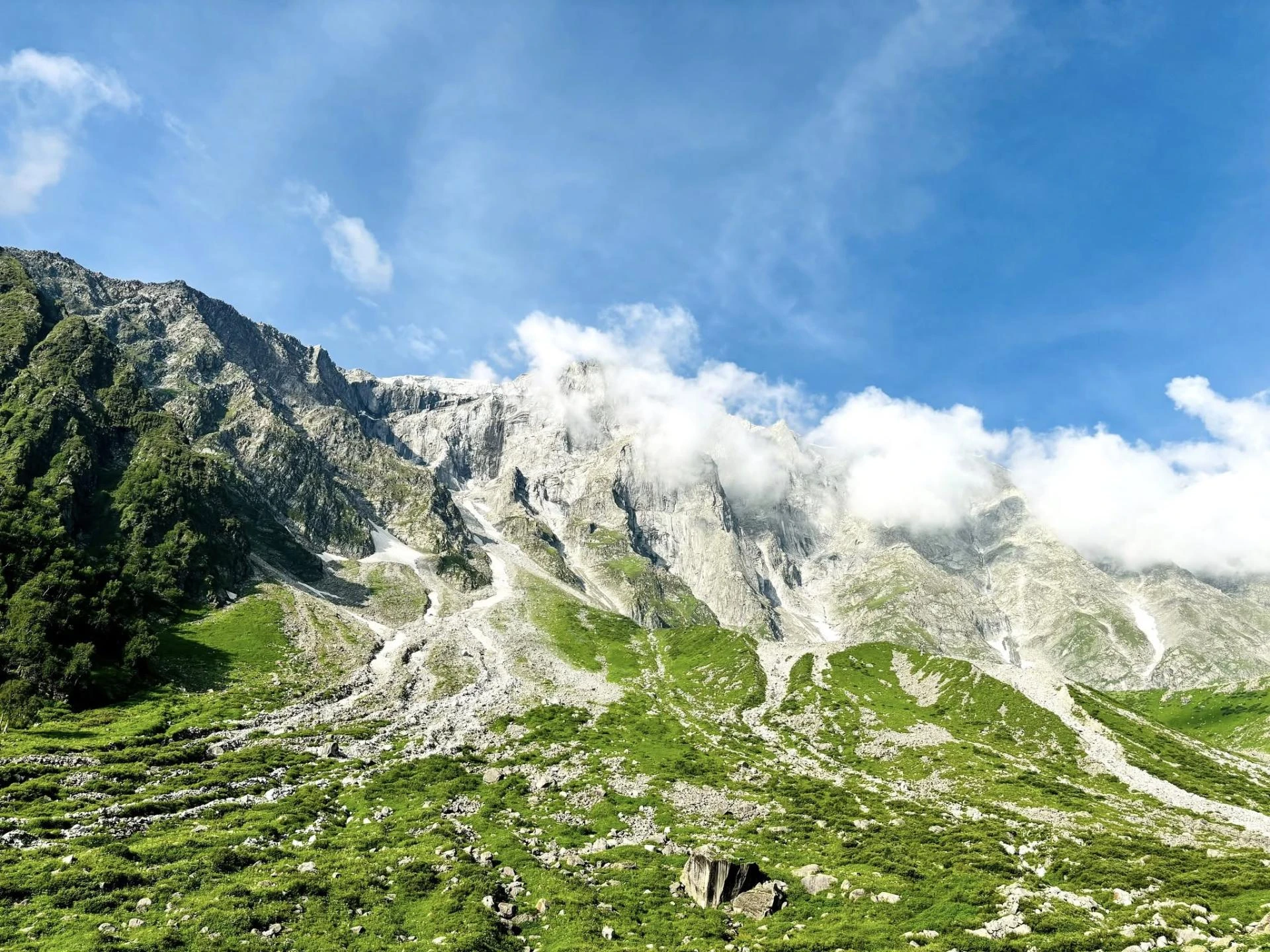
The snow melts almost completely, revealing vast green meadows. These bugyals look like rolling carpets stretching endlessly under clear blue skies.
The weather remains stable, which makes trekking easier and safer. Day temperatures range between 15°C to 20°C, while nights stay cool but manageable.
What Makes Summer Special?
- Clear mountain views
- Comfortable trekking conditions
- Fully accessible trails
You also get uninterrupted views of Himalayan peaks, especially in the early mornings.
Is Summer the Best Time?
For most trekkers, yes. Summer offers the perfect mix of accessibility, safety, and scenic beauty.
If you want your first Himalayan meadow trek, this season works best.
Monsoon Season (July to August)
Monsoon changes the landscape dramatically, but it also brings challenges.
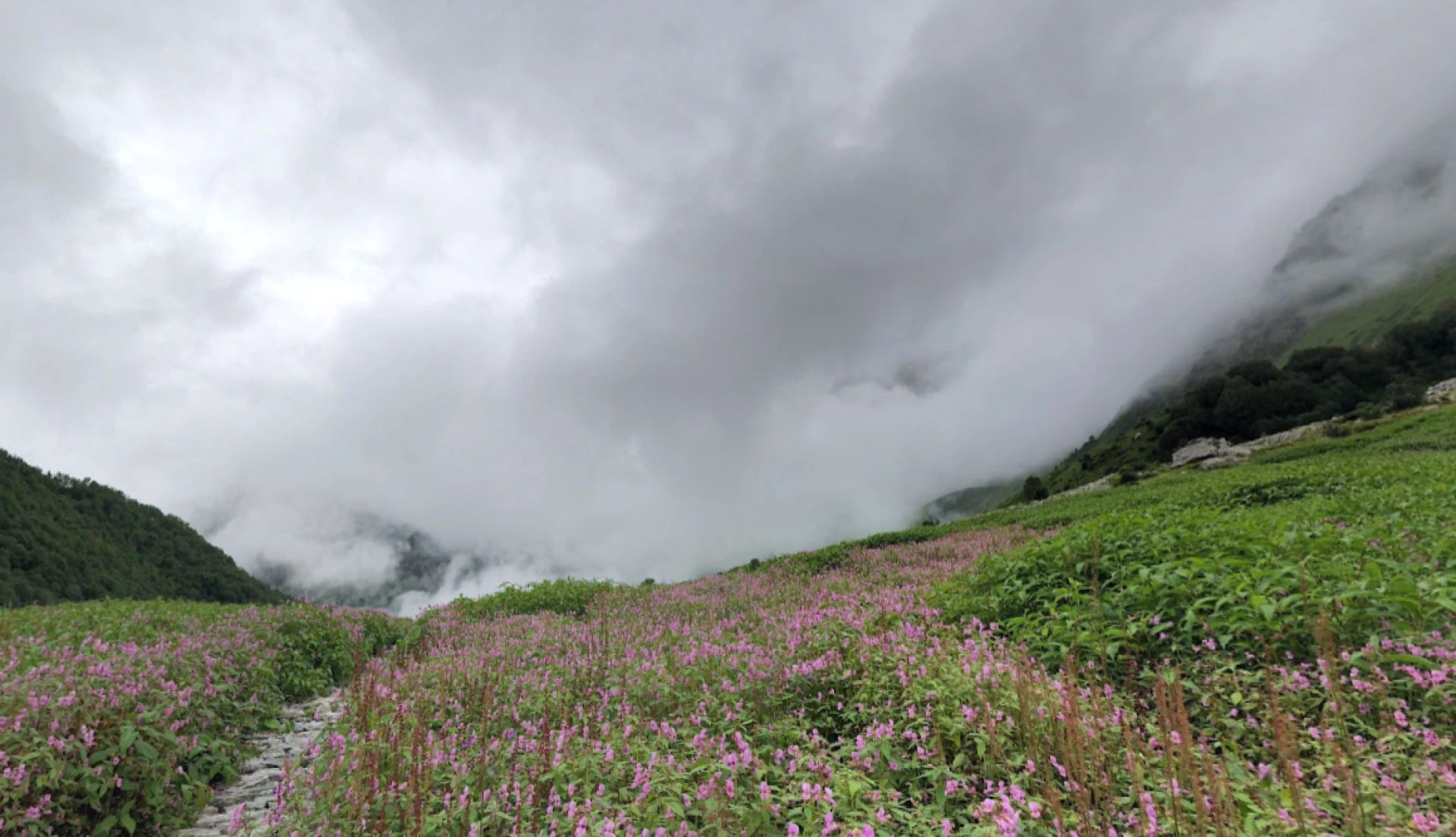
The meadows turn lush green, and the entire region looks vibrant. However, heavy rainfall makes trails slippery and risky.
Landslides often occur on roads leading to Lohajung. Visibility also drops due to clouds and fog.
Should You Trek in Monsoon?
In most cases, no.
- Trails become unsafe
- Leeches and insects increase
- Mountain views remain hidden
Unless you have prior trekking experience and proper guidance, you should avoid this season.
Autumn Season (September to November)
Autumn stands out as one of the best times to visit Ali Bedni Bugyal trek.
After the monsoon clears, the skies turn crystal clear. The mountains appear sharper, and the air feels fresh.
The meadows shift from green to golden shades, creating a unique landscape. This season offers some of the best photography opportunities.
Why Autumn is Ideal
- Clear and stable weather
- Stunning mountain visibility
- Golden grasslands
Temperatures range between 10°C to 15°C during the day and can drop below freezing at night.
Bonus Experience
You may witness local festivals around Bedni Bugyal, which adds a cultural touch to your trek.
Winter Season (December to February)
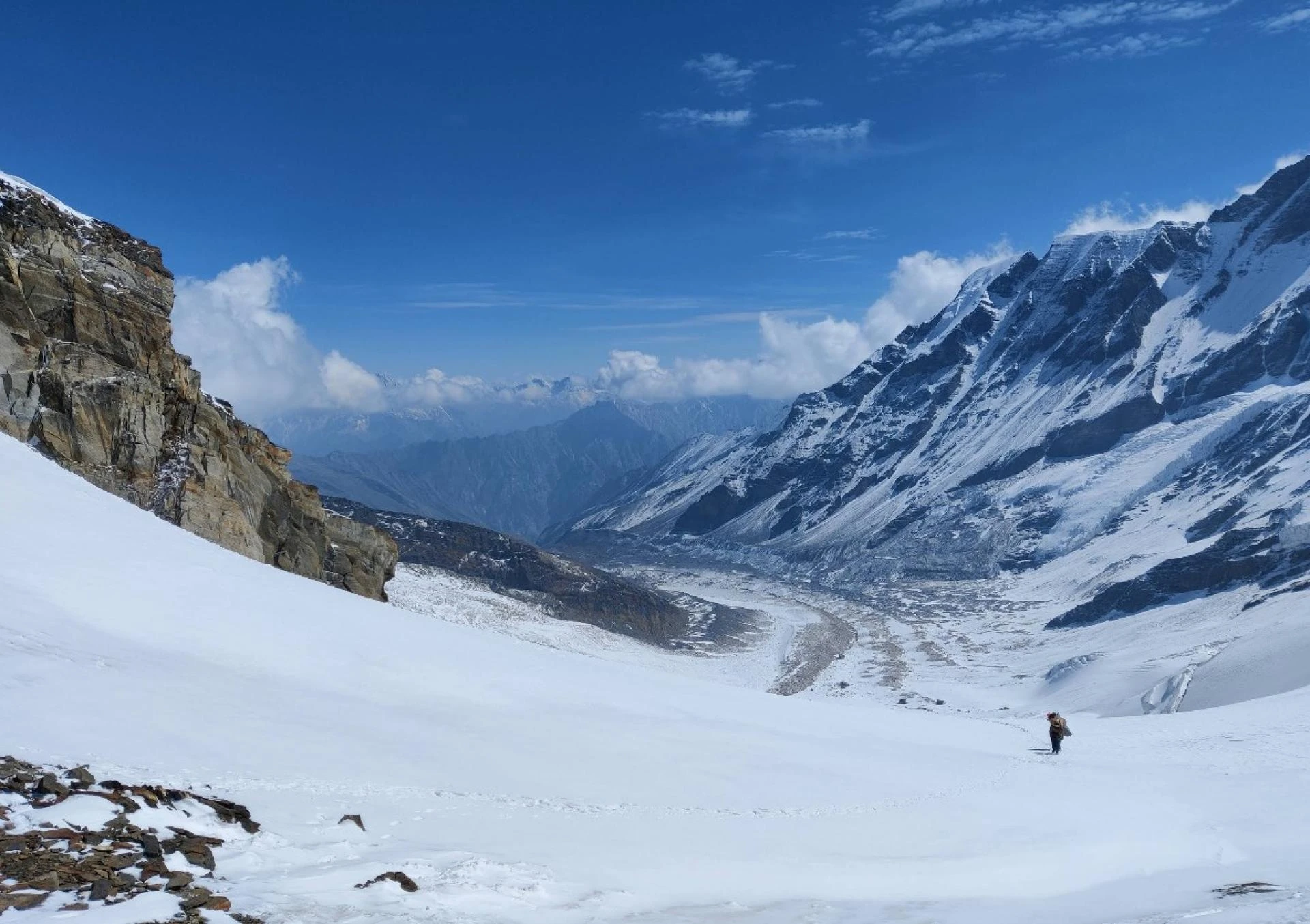
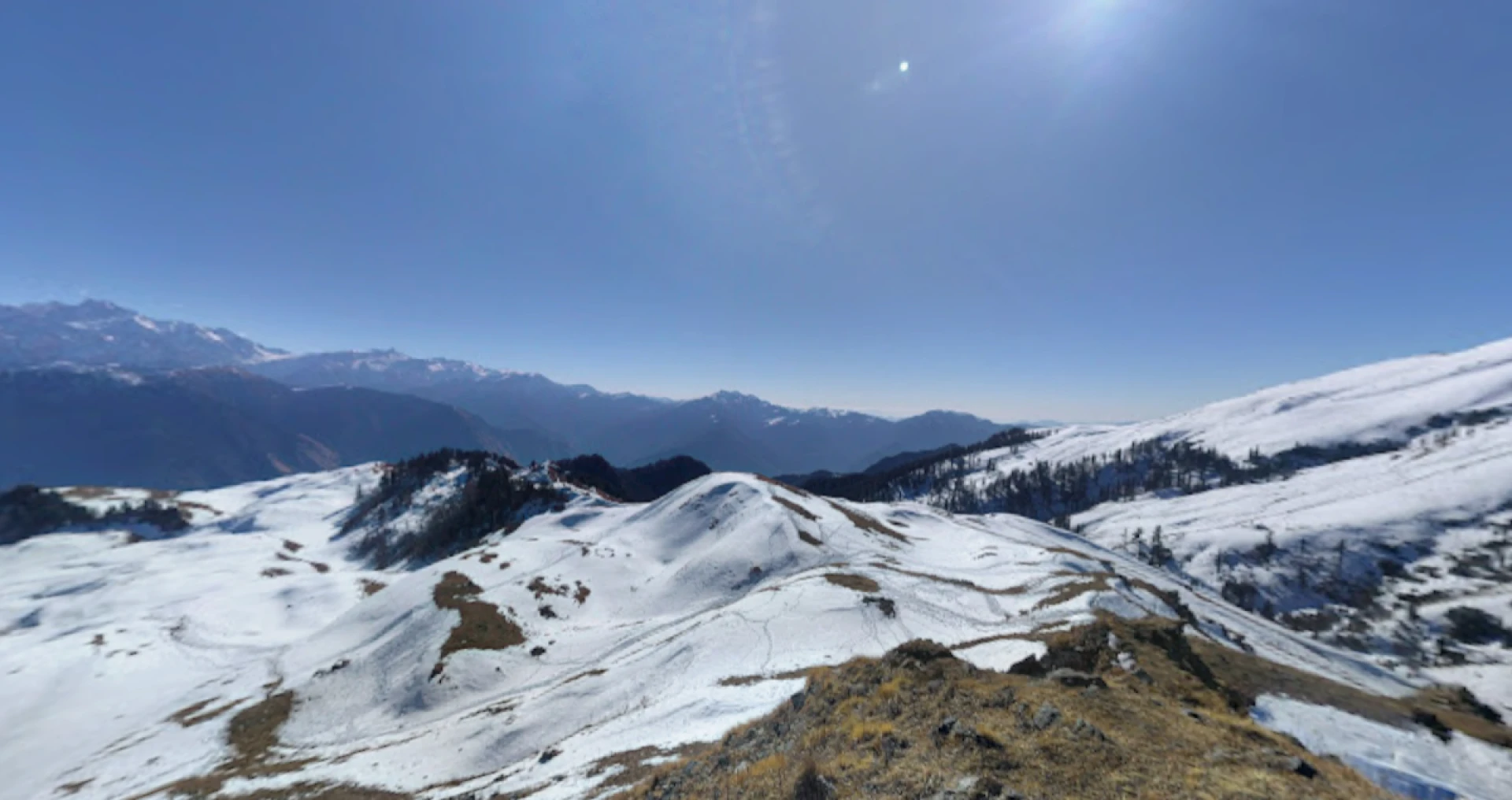
Winter transforms Ali and Bedni Bugyal into a snow-covered wonderland.
Thick layers of snow blanket the meadows, making the trek more challenging but visually stunning.
The trail demands proper gear and physical fitness. Temperatures often drop below -5°C at night.
Why Choose Winter?
- Snow trekking experience
- Fewer crowds
- Magical white landscapes
Challenges in Winter
- Harsh cold conditions
- Limited accessibility
- Need for experienced guides
Winter suits experienced trekkers or those seeking adventure beyond regular trekking.
Month by Month Quick Guide
Here is a simple breakdown to help you decide quickly:
- March-April: Flowers, light snow, pleasant weather
- May-June: Best overall conditions, clear views
- July-August: Avoid due to heavy rain
- September-October: Best for views and photography
- November: Cold but clear
- December-February: Snow trekking, high difficulty
Weather Conditions Throughout the Year
Weather in the Himalayas can change quickly, so you should stay prepared.
- Daytime usually feels comfortable in summer and autumn
- Nights remain cold in all seasons
- Wind speeds increase at higher altitudes
Always carry layers, even if the forecast looks clear.
Best Season Based on Your Travel Style
Choosing the best time depends on what kind of experience you want.
For Beginners
Go in May or June. You get safe trails and stable weather.
For Photographers
Choose September or October. Clear skies offer the best mountain shots.
For Snow Lovers
Plan your trek between December and February.
For Nature Lovers
Visit in March or April to see blooming forests.
Important Tips Before Planning Your Trek
Before you finalize your travel dates, keep these practical tips in mind.
Check Trail Conditions
Weather changes often affect trekking routes. Always confirm conditions with local guides.
Pack Smart
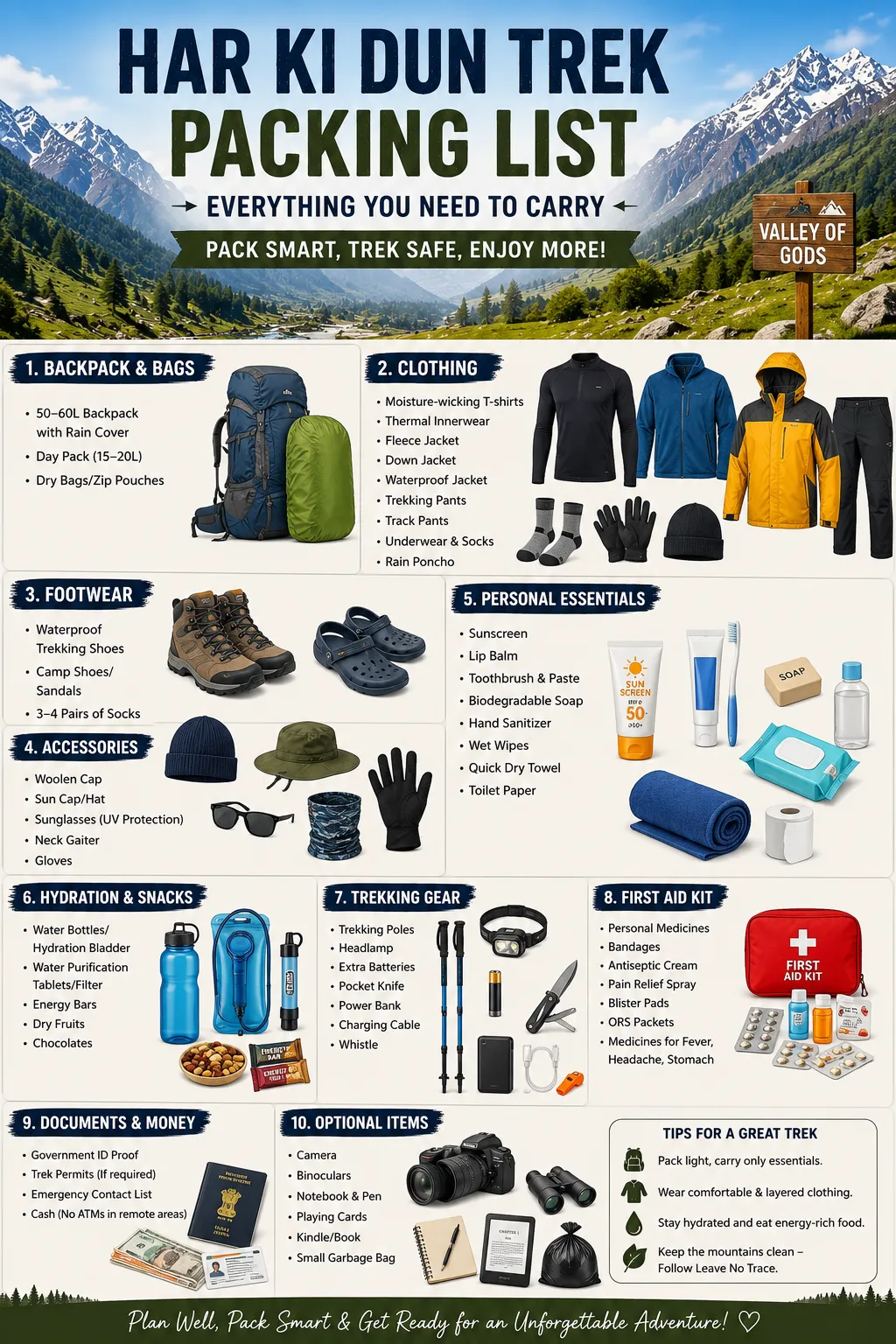
Carry layered clothing, rain protection, and proper trekking shoes.
Start Early Each Day
Clear skies usually last in the morning. Afternoon weather can become unpredictable.
Respect the Environment
Ali and Bedni Bugyal are ecologically sensitive areas. Avoid littering and follow local guidelines.
Why Timing Matters More Than You Think
Many trekkers underestimate how much timing affects their experience.
A summer trek offers comfort and clear views. A winter trek challenges your limits but rewards you with surreal landscapes. Meanwhile, a monsoon trek can turn risky quickly.
So, choosing the best time is not just about beauty. It directly impacts safety, accessibility, and overall enjoyment.
Final Verdict
The best time to visit Ali Bedni Bugyal trek depends on your expectations, but two seasons clearly stand out.
- May to June for beginners and comfortable trekking
- September to October for the best views and photography
If you want a safe, scenic, and memorable experience, these months offer the perfect balance.
No matter when you go, Ali Bedni Bugyal will leave you amazed. Just choose your timing wisely, pack smart, and let the mountains do the rest.
















Sign in to leave a comment.