
India offers some of the most diverse trekking landscapes in the world. From lush alpine meadows to rugged glaciers, the Indian Himalayas present an extraordinary playground for trekkers. Every region tells a different story through its mountains, forests, and high-altitude passes.
According to mountaineering records and trekking documentation maintained by the Indian Mountaineering Foundation, India hosts hundreds of trekking routes across the Himalayan belt. However, only a handful stand out because of their dramatic scenery, cultural richness, and unforgettable trail experiences.
In this guide, we explore the top treks in India, covering routes that range from beginner-friendly alpine walks to demanding high-altitude expeditions. These treks showcase the real spirit of the Himalayas and explain why India has become a global destination for trekking enthusiasts.

1. Kedarkantha Trek
Kedarkantha Trek remains one of the most loved winter treks in India. The trail sits inside the Govind Wildlife Sanctuary of Uttarakhand and climbs to an altitude of about 3,800 meters. Trekkers admire this route because it offers stunning summit views without demanding extreme mountaineering skills.
The journey begins through quiet Himalayan villages and dense pine forests. During winter, snow blankets the entire landscape, turning the trail into a magical white corridor. Campsites such as Juda Ka Talab look especially beautiful when the frozen lake reflects surrounding snow-covered trees.
The summit climb begins before sunrise. As trekkers reach the top, golden sunlight touches distant Himalayan peaks like Swargarohini and Bandarpunch. The 360-degree view from the summit often becomes the highlight of the trek.

2. Auden’s Col Trek
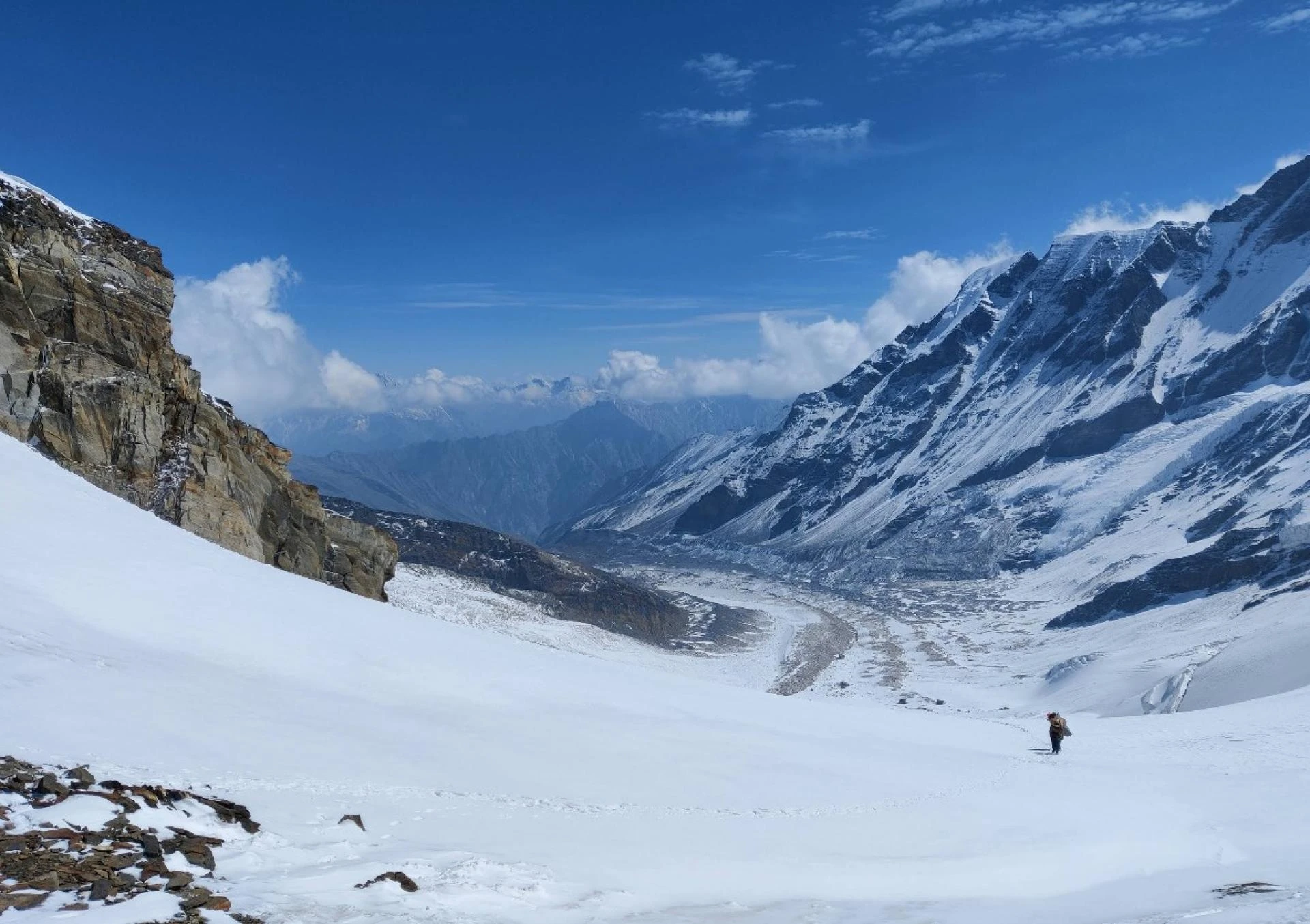
Auden Col Trek stands among the most difficult trekking routes in the Indian Himalayas. The high mountain pass sits at around 5,490 meters and connects the sacred valleys of Gangotri and Kedarnath. British mountaineer John Bicknell Auden first explored this pass in 1935, and since then it has gained legendary status among experienced trekkers.
The route begins near Gangotri and gradually moves toward the remote Khatling Glacier region. Trekkers cross moraine fields, icy ridges, and massive glacier systems. Unlike regular trekking trails, the terrain changes constantly. Crevasses, unstable snow bridges, and steep climbs demand careful navigation and strong teamwork.
The landscape along this route feels truly wild. Massive peaks such as Jogin I, Gangotri III, and Thalay Sagar dominate the skyline. Trekkers often describe the region as one of the most dramatic high-altitude environments in the entire Garhwal Himalayas.

3. Valley of Flowers Trek
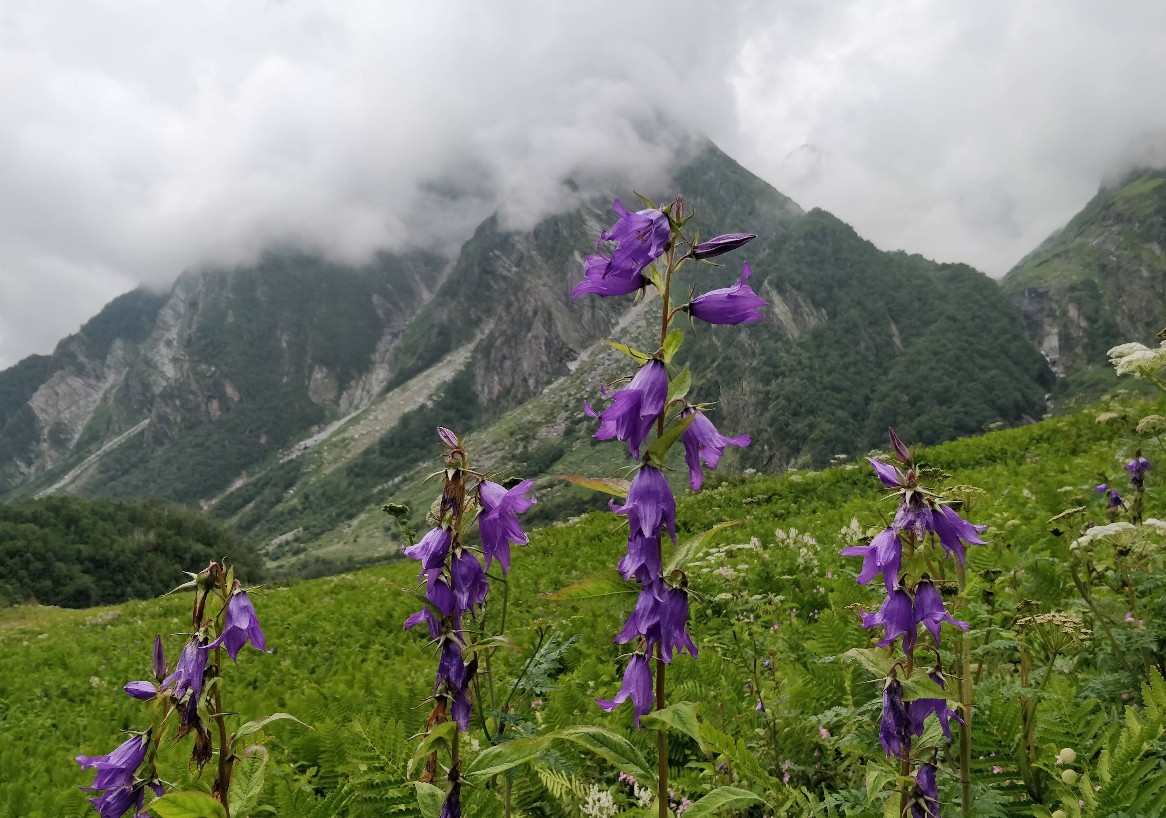
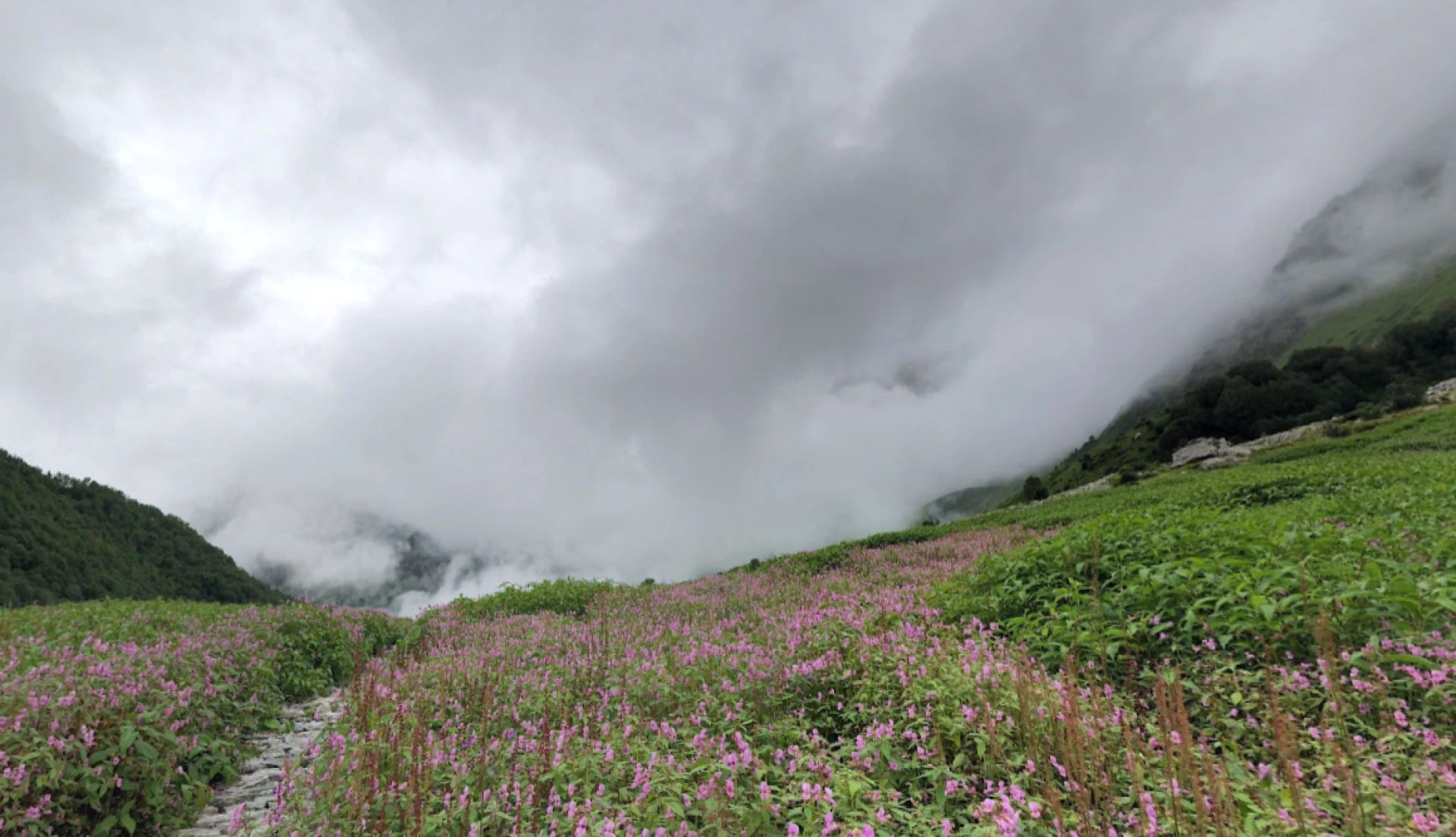
The Valley of Flowers Trek offers one of the most colorful trekking experiences in the Himalayas. Located inside the Valley of Flowers National Park, the region gained global recognition as a UNESCO World Heritage Site.
During the monsoon season, thousands of alpine flowers bloom across the valley. Researchers and botanists have recorded more than 500 species of Himalayan plants in this region, making it an important ecological zone.
Trekkers follow a scenic trail along the Pushpawati River while snow-covered peaks surround the valley. Many visitors also combine the trek with a journey to Hemkund Sahib, one of the highest Gurudwaras in the world.
4. Hampta Pass Trek
Hampta Pass Trek offers one of the most dramatic landscape transitions in the Himalayas. The route begins in the lush green valleys of Kullu and gradually climbs toward the barren mountains of Lahaul.
Trekkers pass through pine forests, alpine meadows, and glacier valleys before reaching Hampta Pass at about 4,270 meters. The pass reveals wide views of rugged Himalayan peaks and vast high-altitude desert terrain.
Many trekkers extend their journey to the stunning Chandratal Lake. This crescent-shaped high-altitude lake reflects surrounding mountains and often becomes one of the most memorable moments of the trek.

5. Sandakphu Trek
Sandakphu Trek offers one of the best panoramic mountain views in the world. The trail runs along the India–Nepal border and reaches the highest point in West Bengal at 3,636 meters.
From the summit, trekkers witness the famous Sleeping Buddha formation created by peaks such as Mount Kangchenjunga. On very clear days, distant giants like Mount Everest and Lhotse appear on the horizon.
The trail also passes through rhododendron forests and traditional mountain villages. This combination of cultural interaction and stunning Himalayan views makes Sandakphu a favorite trekking route.

6. Roopkund Trek
Roopkund Trek attracts trekkers because of its mysterious high-altitude lake filled with ancient human skeletons. The lake lies at around 5,020 meters in the Garhwal Himalayas.
Scientific research published in journals such as Nature Communications suggests that these remains may belong to travelers from different historical periods.
Trekkers reach the lake after crossing massive alpine meadows like Ali Bugyal and Bedni Bugyal. These high-altitude grasslands rank among the most beautiful trekking landscapes in India.

7. Goechala Trek
Goechala Trek offers a close and powerful view of the eastern Himalayas. The route lies inside Khangchendzonga National Park, which holds UNESCO World Heritage status.
Trekkers walk through rhododendron forests, wooden bridges, and peaceful Himalayan valleys. As the trail climbs higher, the landscape slowly transforms into rocky alpine terrain.
The main highlight comes at the Goechala viewpoint. From here trekkers witness the towering face of Mount Kangchenjunga glowing under sunrise light.

8. Tarsar Marsar Trek
Tarsar Marsar Trek takes trekkers deep into the alpine valleys of Kashmir. The route features two stunning lakes called Tarsar and Marsar, both surrounded by high Himalayan ridges.
Trekkers cross vast grasslands, shepherd camps, and quiet pine forests. During summer, the meadows fill with wildflowers and grazing horses.
The peaceful setting and crystal-clear lakes make this trek one of the most visually beautiful routes in northern India.

9. Kedartal Trek
Kedartal Trek challenges trekkers with steep climbs and rugged mountain terrain. The trail leads to Kedartal Lake at around 4,750 meters above sea level.
The journey begins from Gangotri and climbs through rocky paths, forests, and exposed ridges. Because of the demanding terrain, trekkers need strong fitness and previous trekking experience.
The glacial lake reflects the dramatic peak of Thalay Sagar, creating one of the most iconic high-altitude views in Uttarakhand.

10. Stok Kangri Trek
Stok Kangri Trek once served as one of the most famous trekking peaks in the Ladakh region. The mountain rises to about 6,153 meters and offers a serious high-altitude challenge.
Trekkers climb through dry Ladakhi landscapes, glacier sections, and steep summit slopes. The climb requires endurance, acclimatization, and careful altitude management.
From the summit, trekkers see sweeping views of the Zanskar Range and vast Himalayan valleys stretching across Ladakh.

Best Time for Trekking in India
India offers trekking opportunities across multiple seasons. However, the Himalayan weather follows a predictable pattern that helps trekkers choose the best time.
Popular trekking seasons include
• Spring (April to June) for alpine greenery and stable weather
• Monsoon (July to September) for the Valley of Flowers bloom
• Autumn (September to November) for crystal-clear mountain views
• Winter (December to February) for snow treks like Kedarkantha
Trekkers should always check weather updates and local conditions before starting any high-altitude journey.
Final Thoughts
India offers a remarkable variety of trekking routes that appeal to both beginners and experienced mountaineers. From flower-filled valleys to glacier-covered passes, each trail reveals a different face of the Himalayas.
The top treks in India combine natural beauty, adventure, and cultural experiences. Whether someone prefers peaceful alpine lakes or demanding expedition routes like Auden’s Col, the Indian Himalayas provide unforgettable journeys for every trekker.












Sign in to leave a comment.