
Depression is more than just feeling sad—it’s a complex mental health condition that affects how the brain functions on multiple levels. It can influence mood, energy, sleep, focus, and even physical health. While traditional diagnosis relies heavily on symptoms and conversations, modern science is opening new doors to understand depression more deeply.
One such advancement is brain mapping for depression, a technique that helps visualize how the brain is actually working. This innovative approach is transforming the way mental health professionals diagnose and treat depression by providing objective, data-driven insights.
What Is Brain Mapping?
Brain mapping is a non-invasive and painless method used to measure and analyze brain activity. The most common form used in mental health is called quantitative electroencephalography (qEEG).
During a brain mapping session, small sensors are placed on the scalp to detect electrical signals produced by the brain. These signals, known as brainwaves, reflect how different regions of the brain communicate and function.
The recorded data is then processed using advanced software and compared to a large database of typical brain activity. This comparison helps identify patterns, irregularities, or imbalances that may be linked to mental health conditions like depression.
Think of brain mapping as a brain health scan that gives professionals a visual and measurable understanding of what’s happening inside your mind.
How Brain Mapping Helps Diagnose Depression
Depression is not the same for everyone. Some people may feel constant fatigue and low motivation, while others may experience anxiety, restlessness, or emotional numbness. These differences often reflect unique patterns in brain activity.
Brain mapping helps uncover these patterns, allowing for a more precise and personalized diagnosis.
Key Insights Brain Mapping Provides:
1. Identifies Overactive or Underactive Brain Regions
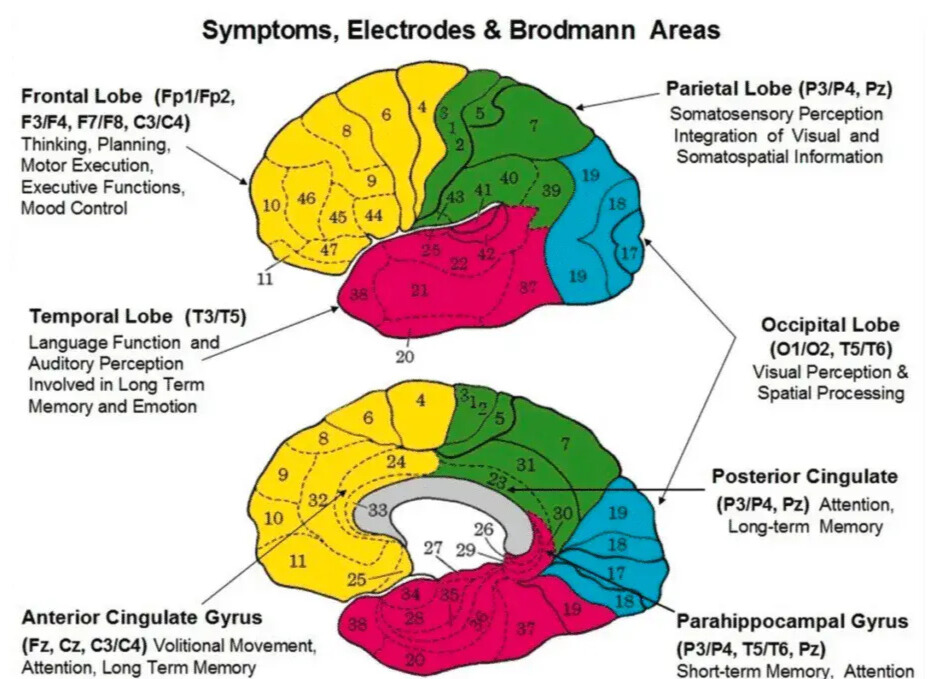
Certain parts of the brain may be working too much or too little. For example, reduced activity in the frontal lobe is often linked to low motivation and decision-making difficulties.
2. Detects Brainwave Imbalances
Different brainwaves (like alpha, beta, theta, and delta) play important roles in mood and cognition. An imbalance in these waves can contribute to depressive symptoms.
3. Distinguishes Between Types of Depression
Not all depression looks the same neurologically. Brain mapping can help identify whether symptoms are linked to anxiety-driven patterns, emotional dysregulation, or low-energy states.
4. Provides Objective, Data-Driven Insights
Instead of relying solely on self-reported symptoms, brain mapping adds a scientific layer to diagnosis. This can be especially helpful in complex or unclear cases.
The Brain Mapping Process: What to Expect
If you’re considering brain mapping for depression, understanding the process can help ease any concerns.
Initial Consultation
A mental health professional will discuss your symptoms, medical history, and goals. This helps determine whether brain mapping is suitable for you.
EEG Recording
You’ll wear a cap with small sensors placed on your scalp. These sensors record brainwave activity while you relax. The procedure is completely painless and typically takes 30 to 60 minutes.
Data Analysis
The recorded brain activity is analyzed using specialized software. Your results are compared to a normative database to identify deviations from typical patterns.
Personalized Report
You’ll receive a detailed report showing how your brain is functioning, along with insights into areas that may be contributing to depression.
How Brain Mapping Supports Treatment
Brain mapping is not just a diagnostic tool—it also plays a key role in guiding treatment strategies. By understanding your unique brain activity, professionals can design a more targeted and effective treatment plan.
Neurofeedback Therapy
One of the most common treatments associated with brain mapping is neurofeedback. This therapy uses real-time brain activity to help train your brain to function more efficiently.
Over time, neurofeedback can help regulate abnormal patterns and improve mood, focus, and emotional stability. Medication Optimization
Brain mapping can also help doctors make more informed decisions about medications. Instead of trial-and-error, treatments can be better aligned with your brain’s specific needs.
Complementary Therapies
Brain mapping insights can enhance other treatments such as:
- Cognitive Behavioral Therapy (CBT)
- Mindfulness and meditation
- Lifestyle changes (sleep, diet, exercise)
The goal is to create a personalized and holistic treatment approach rather than relying on generic solutions.
Benefits of Brain Mapping for Depression
Brain mapping offers several advantages that make it an appealing option for many individuals:
- Non-invasive and safe – No surgery or discomfort involved
- Personalized insights – Tailored understanding of your brain
- Improved treatment accuracy – Reduces guesswork
- Progress tracking – Monitor changes over time
- Supports drug-free options – Especially with neurofeedback
Are There Any Limitations?
While brain mapping is a powerful tool, it’s important to understand its limitations:
- It is not a standalone cure for depression
- Results require expert interpretation
- It may not be widely available in all areas
- Costs can vary and may not always be covered by insurance
Brain mapping works best when combined with professional care and a comprehensive treatment plan.
Cost of Brain Mapping
The cost of brain mapping depends on the clinic, location, and services included. On average, sessions may range from:
- $200 to $800 per session
Some providers offer packages that include both the assessment and follow-up therapies like neurofeedback.
Who Should Consider Brain Mapping?
Brain mapping may be especially helpful if you:
- Have treatment-resistant depression
- Want a drug-free or alternative approach
- Experience complex or unclear symptoms
- Are looking for personalized mental health care
It can also be beneficial for individuals who want a deeper understanding of their brain function.
Final Thoughts
Brain mapping for depression represents a shift toward does tms help with anxiety . Instead of relying solely on symptoms, it provides a deeper, science-backed understanding of how the brain is functioning.
While it’s not a cure on its own, it can be a powerful tool in guiding diagnosis and treatment. By combining brain mapping with therapies like neurofeedback, counseling, and lifestyle changes, individuals can take a more targeted and effective approach to managing depression.
As mental health care continues to evolve, approaches like brain mapping offer new hope for those seeking clarity, personalization, and better outcomes.

























Sign in to leave a comment.