Anxiety disorders affect millions of people, often interfering with daily life, relationships, and overall well-being. While traditional approaches like medication and psychotherapy remain the foundation of treatment, they don’t always provide complete relief. This has led to growing interest in innovative solutions particularly brain stimulation therapies.
Among these, Transcranial Magnetic Stimulation (TMS) is gaining attention as a non-invasive and science-backed option. Many people are now asking an important question: Does TMS help with anxiety? The answer lies in understanding how these modern therapies work and who they can benefit.
A Shift Toward Brain-Based Treatments
Mental health treatment is evolving. Instead of focusing only on symptoms, newer approaches aim to directly influence the brain circuits involved in emotional regulation.
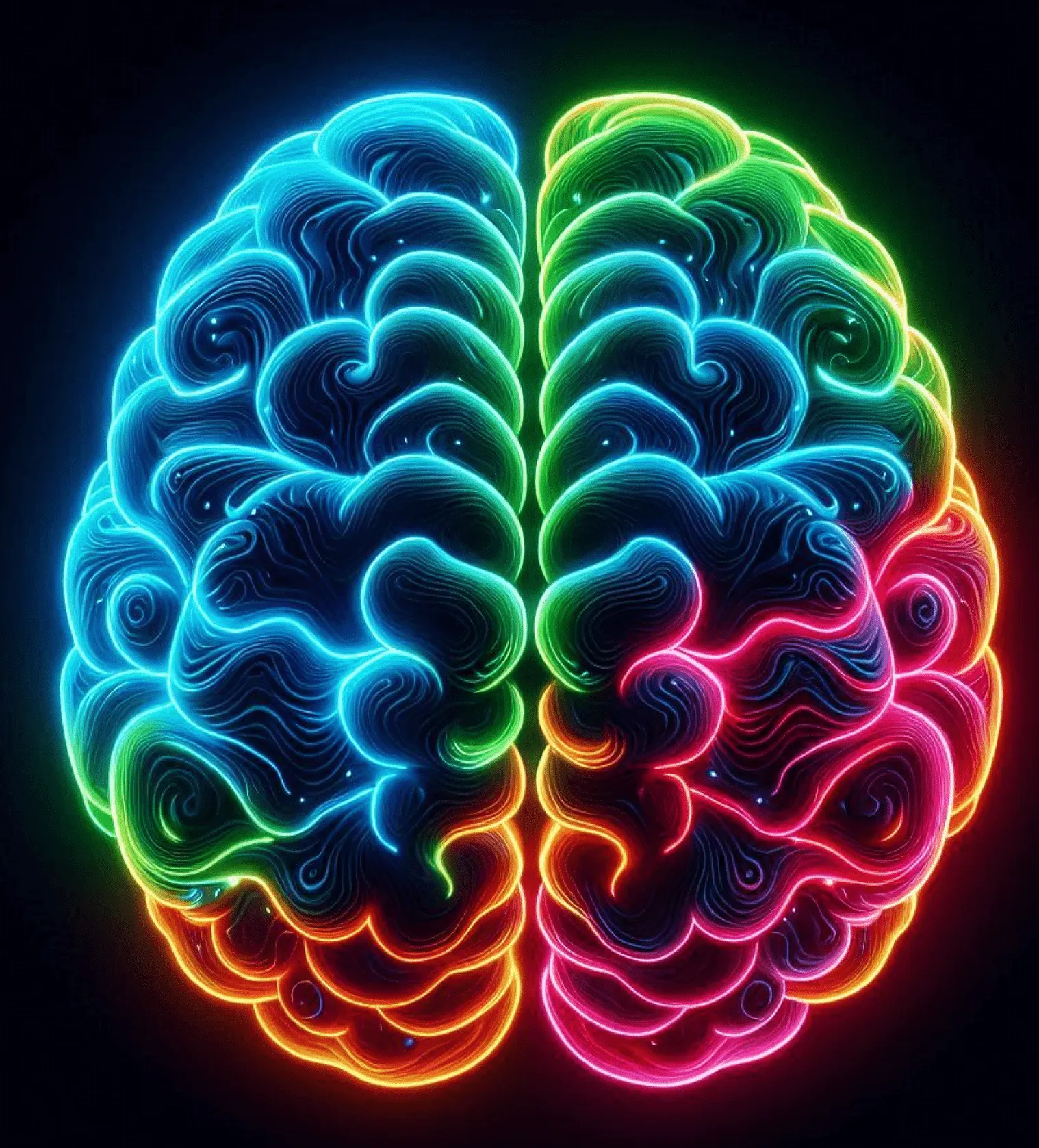
Brain stimulation therapies are designed to gently modify activity in specific regions of the brain associated with anxiety, fear, and mood control. These treatments are particularly valuable for individuals who have not responded well to conventional methods.
Some commonly explored options include:
- Transcranial Magnetic Stimulation (TMS)
- Transcranial Direct Current Stimulation (tDCS)
- Deep Brain Stimulation (used in more severe, clinical cases)
Does TMS Help With Anxiety?
TMS was originally developed and approved for depression, but its use has expanded into anxiety-related conditions. Clinical experience and emerging research suggest that it can play a meaningful role in reducing anxiety symptoms.
TMS works by delivering magnetic pulses to targeted areas of the brain, especially the prefrontal cortex. This region is responsible for regulating thoughts, emotions, and responses to stress.
In individuals with anxiety, brain activity patterns may become imbalanced. TMS helps by restoring more stable and functional activity over time. Many patients report improvements such as:
- Reduced excessive worry
- Better emotional control
- Decreased physical symptoms of anxiety
- Improved overall mood
While results vary from person to person, TMS is increasingly being considered as part of a comprehensive anxiety treatment plan.
The Importance of TMS Brain Mapping
One of the most important advancements in this field is TMS brain mapping, which allows for a more personalized treatment approach.
Brain mapping helps clinicians identify the exact regions of the brain that require stimulation. Instead of applying a general protocol, treatment is tailored based on the individual’s neural activity patterns.
This approach offers several advantages:
- Greater precision in targeting affected brain areas
- Improved treatment outcomes
- Reduced likelihood of ineffective sessions
- A more personalized patient experience
As mental health care becomes more individualized, techniques like brain mapping are playing a crucial role in improving results.
Supporting Recovery in PTSD Treatment Programs
Brain stimulation therapies are also being explored in structured PTSD treatment programs, where traditional methods alone may not be enough.
Post-traumatic stress disorder affects how the brain processes fear and memory. This can lead to persistent symptoms such as:
- Flashbacks and intrusive thoughts
- Heightened anxiety and hypervigilance
- Emotional numbness
- Sleep disturbances
TMS can help regulate the brain regions involved in these responses, making it easier for individuals to engage in therapy and process traumatic experiences.
When combined with evidence-based approaches like trauma-focused therapy, TMS may enhance recovery by improving emotional stability and cognitive flexibility.
Key Benefits of Brain Stimulation Therapies
The growing interest in TMS and similar treatments is driven by several important benefits:
Non-invasive and medication-free
TMS does not require surgery or daily medication, making it appealing for individuals seeking alternative options.
Minimal side effects
Most patients experience only mild discomfort, such as a tapping sensation on the scalp during treatment.
Targeted approach
Unlike medication, which affects the entire body, TMS focuses on specific brain regions linked to anxiety.
Suitable for treatment-resistant cases
It offers a potential solution for those who have not found relief through traditional methods.
No downtime
Patients can resume normal activities immediately after each session.
What to Expect From Treatment
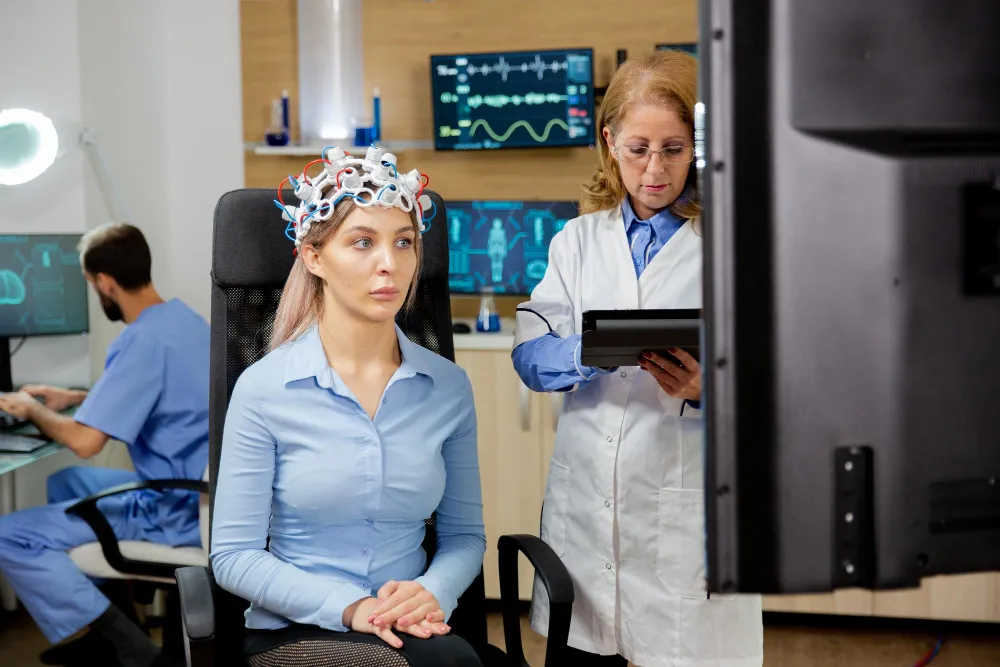
A typical TMS treatment plan involves multiple sessions over several weeks. Each session lasts around 20 to 40 minutes and is conducted in an outpatient setting.
During the procedure:
- You remain awake and seated comfortably
- A device delivers controlled magnetic pulses to the scalp
- No anesthesia or recovery time is required
Many people begin to notice gradual improvements after a few weeks, although results can vary depending on the individual.
Is TMS Right for Everyone?
TMS is generally considered safe and effective, but it may not be suitable for all individuals. A qualified mental health professional will evaluate factors such as:
- Medical history
- Severity of symptoms
- Previous treatment responses
- Presence of any contraindications (such as certain metal implants)
This evaluation helps determine whether TMS is an appropriate option.
Looking Ahead: The Future of Anxiety Treatment
The field of mental health is rapidly advancing, and brain stimulation therapies are at the forefront of this transformation. As research continues, these treatments are expected to become even more precise, accessible, and widely used.
Innovations such as improved brain mapping, shorter treatment protocols, and integration with digital health tools are likely to enhance outcomes further.
The growing interest in questions like does TMS help with anxiety reflects a broader shift toward exploring new and effective solutions for mental health challenges.
Final Thoughts:
Anxiety can be difficult to manage, especially when standard treatments do not provide sufficient relief. Brain stimulation therapies like TMS offer a promising alternative by directly addressing the underlying neural mechanisms of anxiety.
With advancements such as TMS brain mapping and its integration into comprehensive PTSD treatment programs, this approach is helping reshape how anxiety and trauma-related conditions are treated.
For individuals seeking new options, consulting with a qualified provider can be the first step toward understanding whether this modern therapy is the right fit.


























Sign in to leave a comment.