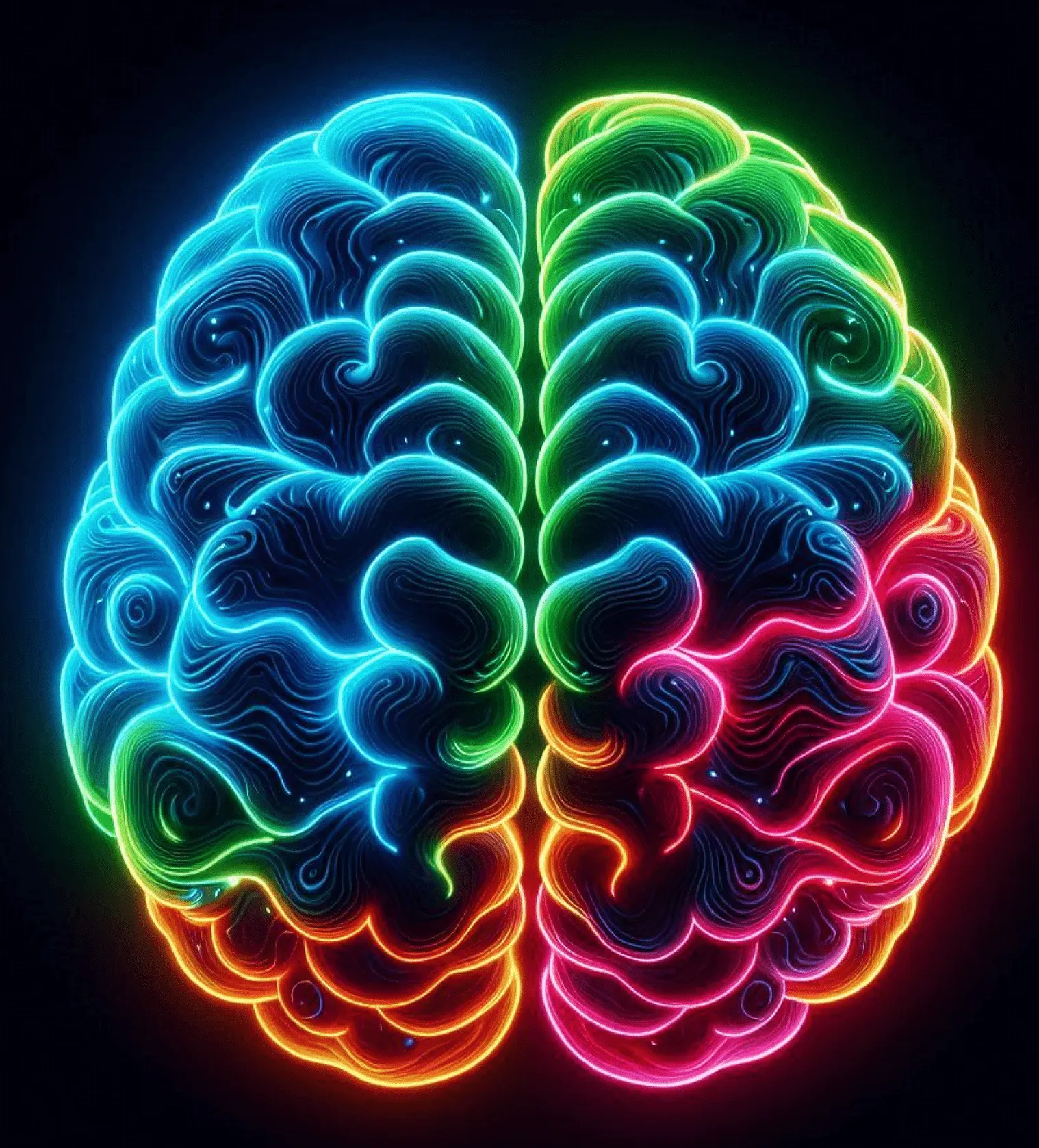
Brain mapping therapy is an innovative technology for mental well-being that aims to study the brain by analyzing the brain wave patterns. The brain mapping therapy is closely associated with neurofeedback therapy and quantitative electroencephalogram (qEEG) technology. This process generates a detailed picture of the brain, so that professionals can recognize patterns of problems such as anxiety, stress, ADHD, poor concentration, sleep disorders, depression, trauma, etc. Brain mapping is a painless and non-invasive treatment and uses several sensors placed on the scalp to examine and study brainwave activity. The brainwave pattern of the individual is compared with the normal brainwave pattern in order to detect abnormality.
How Does Brain Mapping Therapy Work?
First, the patient receives a qEEG (quantitative electroencephalograph) brain scan, which is performed on the resting brain to evaluate brainwave activity when both the eyes are open and closed. This creates a map of your brain, which indicates where your brain waves are too high or too low. After specialists review the brain scan, a plan for treatment is created to be suited for your specific needs. Usually, after the brain scan is complete, the patient will partake in a neurofeedback session.
Benefits of Brain Mapping Therapy
One of the biggest advantages of Brain Mapping Therapy is its personalized approach. Since every brain functions differently, treatment plans are customized based on individual brainwave activity.
Some commonly reported benefits include:
- Reduced anxiety and stress
- Improved concentration and focus
- Better sleep quality
- Enhanced emotional regulation
- Support for ADHD symptoms
- Increased mental clarity
- Improved memory and cognitive performance
Many therapists also use brain mapping to support individuals dealing with trauma, mood disorders, and burnout. Athletes, business professionals, and students sometimes use it to improve cognitive performance and mental resilience. Another benefit is that the therapy is non-invasive and generally considered safe when conducted by trained professionals.
What Conditions Can Brain Mapping Therapy Help With?
Brain Mapping Therapy is often used as part of a broader mental health or wellness plan. It may help individuals experiencing:
- Anxiety disorders
- ADHD and attention difficulties
- Depression
- PTSD and trauma-related symptoms
- Sleep disorders
- Chronic stress
- Emotional imbalance
- Cognitive fatigue
However, it is important to understand that results vary from person to person. Brain Mapping Therapy should not replace professional medical advice or emergency mental health treatment when needed.
Cost of Brain Mapping Therapy
The fee for Brain Mapping Therapy is set by the individual clinic, geographical location, and the number of sessions needed. Brain map assessment through qEEG might run anywhere from $200 to $1,000.Neurofeedback session fees are generally separate and cost $50 to $200 per session.
Many of the treatments outlined above involve several sessions spread across a number of weeks or months. These types of therapies will likely be very expensive because of the time investment required. Payment plans are usually available, as are package deals for different treatments. Most insurance policies will cover different ranges of treatment types. As Brain Mapping Therapy can be seen as a special or alternative form of therapy, it is recommended that the patient discuss coverage with their own insurer.
Are the Results Real?
Many patients report positive experiences with Brain Mapping Therapy, especially regarding focus, emotional balance, and stress reduction. Some studies suggest that neurofeedback and brain mapping may support brain training and cognitive improvement. People also frequently ask, “Does TMS help with anxiety?” as Transcranial Magnetic Stimulation (TMS) is increasingly being explored as a non-invasive option for managing anxiety symptoms alongside depression treatment.
However, researchers continue to study the long-term effectiveness of these therapies. While some individuals experience noticeable benefits, others may see only mild improvements. Success often depends on factors such as consistency, treatment quality, and individual brain conditions.
Final Thoughts:
Brain Mapping Therapy represents a novel system of brain and mental functioning analysis and improvement. The therapy can reportedly help individuals alleviate symptoms such as anxiety, ADD/ADHD, stress, sleep disorders, and mental functioning problems by pinpointing their brainwave patterns and re-educating the brain for optimal functioning.
Though it might not yield the same effects for everyone, Brain Mapping Therapy has proven beneficial to many in an individually tailored program of mental health enhancement. Before undergoing the procedure, patients should consult certified specialists, learn the prices associated with the procedure, and have realistic expectations for the treatment's outcomes.
























Sign in to leave a comment.