

Driving through Houston's busy streets demands reliable brakes every single day. The city's heavy traffic and humid climate create unique challenges for vehicles. Understanding when and how to replace your brakes saves money and lives.
Understanding Your Vehicle's Braking System
Modern cars use complex braking systems with multiple essential components working together. Brake pads press against rotors to slow down your vehicle safely. Calipers, brake fluid, and sensors all play crucial roles in stopping power.
Houston's stop-and-go traffic wears down brake components faster than normal driving. The constant acceleration and deceleration on Interstate 10 takes its toll. Highway 59 and the Beltway 8 create similar demanding conditions daily.
Recognizing When Your Brakes Need Attention
Your car communicates problems through various warning signs you shouldn't ignore. Squealing or grinding noises indicate worn brake pads reaching critical levels. A vibrating steering wheel while braking suggests warped rotors needing replacement.
Longer stopping distances mean your braking system isn't performing at optimal levels. A soft or spongy brake pedal could indicate air in lines. Pulling to one side while braking shows uneven wear or caliper issues.
The dashboard brake warning light serves as your primary electronic alert system. Modern vehicles include sensors that detect pad thickness and fluid levels. These systems provide early warnings before complete brake failure occurs.
Optimal Timing for Brake Replacement in Houston
Most brake pads last between 30,000 and 70,000 miles under normal conditions. Houston drivers often experience shorter lifespans due to urban driving patterns. Heavy traffic around the Galleria and Medical Center accelerates brake wear significantly.
Climate factors also influence brake component longevity in our coastal region. High humidity can cause faster deterioration of brake fluid and components. Summer heat affects brake performance and may require more frequent inspections.
Getting annual brake inspections helps catch problems before they become emergencies. Many auto shops offer free brake checks with routine service appointments. Taking advantage of these inspections prevents costly repairs down the road.
Choosing Between DIY and Professional Brake Service
Replacing brake pads yourself can save money if you have mechanical skills. Basic brake jobs require proper tools and a safe working environment. However, mistakes during brake work can compromise your family's safety completely.
Professional technicians have specialized equipment for accurate brake system diagnostics and repairs. They can identify issues that aren't visible during basic visual inspections. Certified mechanics also warranty their work for added peace of mind.
Consider your skill level honestly before attempting brake work at home. Simple pad replacements might be manageable for experienced DIY enthusiasts with guidance. Complex issues involving calipers or hydraulic systems require professional brake repair in Houston.
Selecting Quality Brake Components
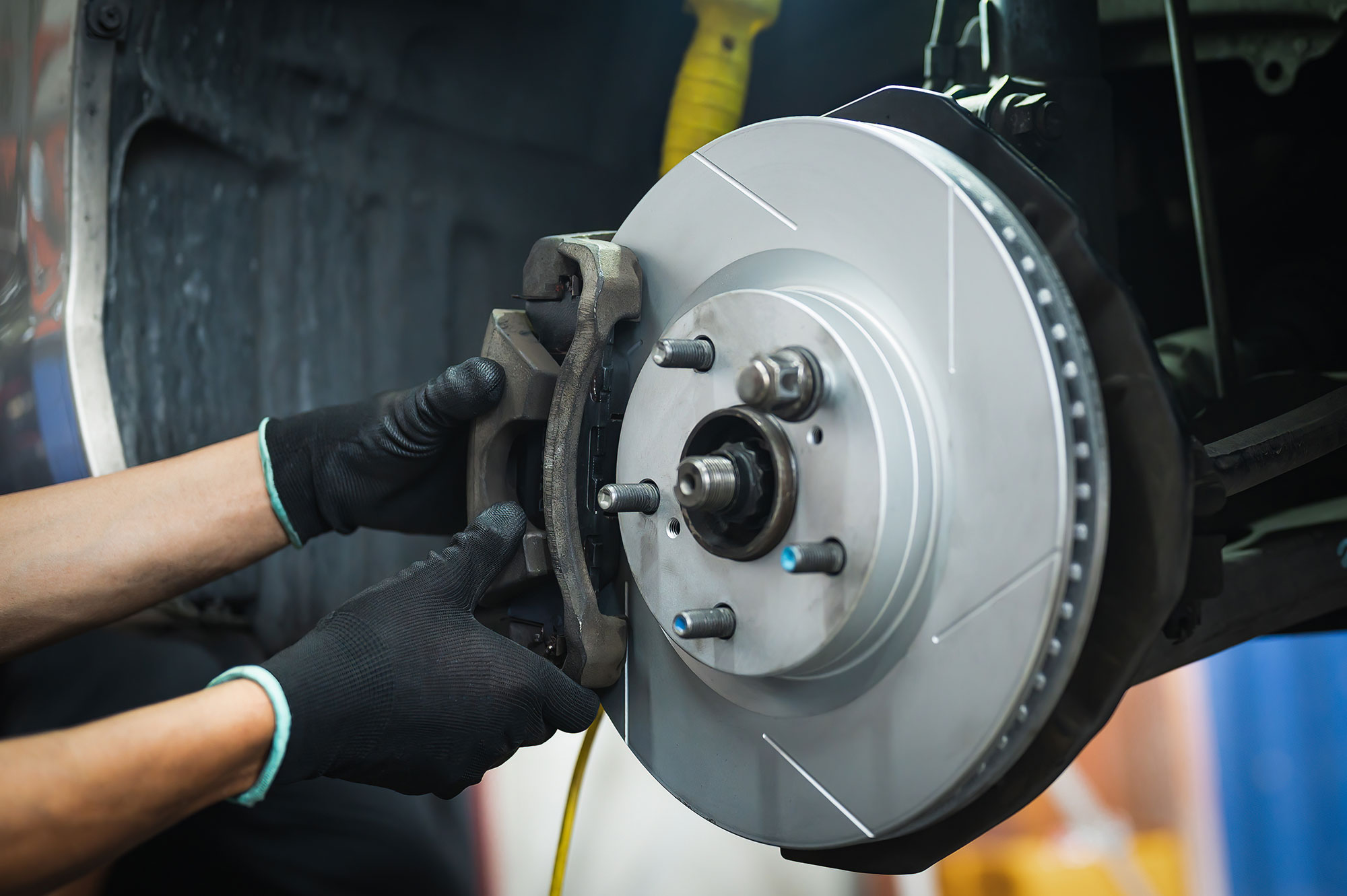
OEM brake parts match your vehicle manufacturer's original specifications precisely and perfectly. These components ensure optimal performance and meet strict safety standards consistently. Aftermarket options offer varying quality levels at different price points available.
Premium brake pads use advanced materials that reduce noise and dust. Ceramic brake pads provide excellent stopping power with minimal brake dust. Semi-metallic pads offer durability and heat dissipation for performance vehicles.
Rotors come in solid, vented, and drilled varieties for different applications. Vented rotors help dissipate heat better during heavy braking situations encountered. Drilled rotors reduce weight and improve wet weather performance significantly.
Finding Reputable Brake Service Providers in Houston
Research local mechanics through online reviews and community recommendations from trusted neighbors. Check certifications like ASE credentials that demonstrate technical expertise and knowledge. Better Business Bureau ratings reveal customer satisfaction and complaint resolution histories.
Ask friends and family about their experiences with local automotive shops. Word-of-mouth recommendations often lead to trustworthy and reliable service providers. Local community forums and social media groups provide valuable insights too.
Request detailed written estimates before authorizing any brake work on vehicles. Compare prices from multiple shops to ensure fair and competitive rates. Beware of extremely low quotes that might indicate inferior parts used.
Understanding Brake Service Costs in Houston
Basic brake pad replacement typically ranges from $150 to $300 per axle. Rotor replacement adds another $200 to $400 depending on vehicle type. Luxury vehicles and performance cars often require more expensive specialized components.
Complete brake system overhauls including calipers can exceed $1,000 for repairs. However, catching problems early prevents these extensive and expensive repair bills. Regular maintenance proves far more economical than emergency brake system failures.
Some shops offer package deals for front and rear brake services. Seasonal promotions can provide significant savings on necessary brake maintenance work. Always ask about current specials before scheduling your brake service appointment.
Maintaining Your Brakes Between Replacements
Smooth driving habits extend brake life and reduce unnecessary component wear. Anticipate stops and brake gradually instead of making sudden hard stops. Coast when possible to reduce stress on your entire braking system.
Regular brake fluid changes prevent moisture buildup in hydraulic brake systems. Most manufacturers recommend flushing brake fluid every two to three years. This simple maintenance step protects expensive components from internal corrosion damage.
Keep wheels clean to prevent brake dust buildup affecting performance negatively. Inspect brake components visually during tire rotations and oil changes regularly. Early detection of issues prevents minor problems from becoming major failures.
Safety Considerations for Houston Drivers
Never delay brake repairs when you notice warning signs appearing clearly. Compromised brakes put you and other drivers at serious risk daily. Houston's fast-paced traffic leaves no room for brake system failures.
Heavy rain during hurricane season demands fully functional brakes for safety. Wet roads require longer stopping distances even with perfect brake systems. Worn brakes multiply these dangers exponentially during severe weather conditions.
Test your brakes in safe environments after any service or replacement. Find an empty parking lot to verify proper brake function. Ensure the pedal feels firm and stopping power meets expectations.
Making Smart Brake Replacement Decisions
Quality brake components represent an investment in your family's safety always. Cutting corners on brake parts can lead to dangerous situations. Prioritize safety over cost savings when making brake replacement choices.
Schedule brake service during slower traffic periods when possible for convenience. Many shops offer early morning or evening appointments for working professionals. Planning ahead reduces stress and ensures proper brake system care.
Keep detailed records of all brake service and replacement work performed. Documentation helps track component lifespan and predict future maintenance needs accurately. This information proves valuable when selling your vehicle eventually too.
Your brakes deserve attention and proper care for safe Houston driving. Regular inspections and timely replacements protect everyone on our roads. Take brake maintenance seriously and enjoy confident, safe travels throughout Houston.



























Sign in to leave a comment.