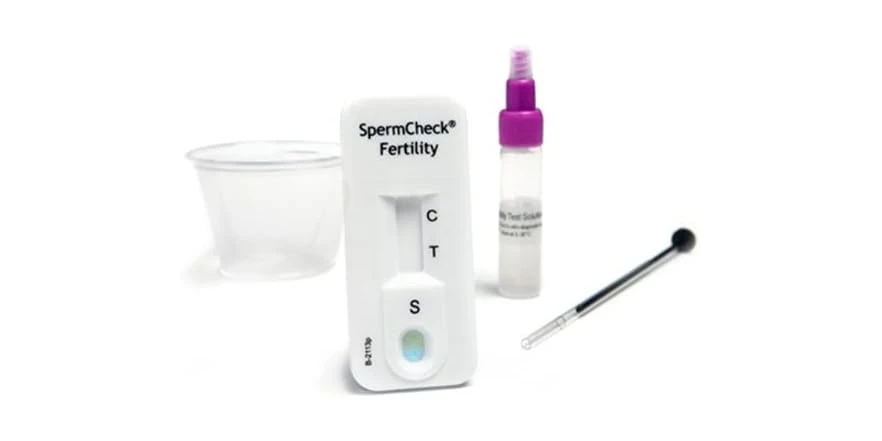

Fertility is a deeply personal and complex aspect of health that can be influenced by many factors. While genetics and medical conditions play a crucial role, lifestyle choices significantly impact fertility test outcomes. Men and women who plan to conceive often undergo fertility screening tests to understand their reproductive health. However, the results of these tests may not reflect your true fertility potential if lifestyle factors are not considered. Understanding how daily habits affect reproductive health can help improve test accuracy and increase the chances of conception.
Understanding Fertility Screening Tests
Fertility screening tests help evaluate reproductive health and identify potential issues. For women, these tests may include hormone assessments, ovarian reserve evaluations, and imaging studies like ultrasounds. Men may undergo semen analysis, hormone tests, and physical examinations. These tests provide valuable insights but can be influenced by external factors like stress, diet, and sleep patterns. Lifestyle habits can either support or hinder reproductive function, sometimes skewing test results. Recognizing the lifestyle impact is essential before interpreting test outcomes.
Nutrition and Its Role in Fertility
Diet plays a pivotal role in reproductive health for both men and women. A nutrient-rich diet supports hormone production and egg or sperm quality. Deficiencies in vitamins like D, B12, and folate can negatively impact fertility. High sugar and processed foods may lead to hormonal imbalances that affect ovulation and sperm function. Consuming antioxidant-rich foods such as fruits, vegetables, and nuts can enhance reproductive potential. Even subtle dietary changes can improve fertility test outcomes over time. Proper hydration also ensures optimal cellular function throughout the reproductive system.
The Impact of Weight and Body Composition
Maintaining a healthy weight is critical for accurate fertility test results. Excess body fat can disrupt hormone balance, affecting ovulation and sperm production. Conversely, being underweight may reduce estrogen levels in women and testosterone levels in men. Both conditions can lead to irregular cycles and lower sperm counts. Even moderate weight fluctuations can influence test results, sometimes masking underlying fertility issues. Achieving a balanced body composition through diet and exercise improves overall reproductive health. A stable weight helps produce more reliable fertility screening tests.
Physical Activity and Fertility
Regular physical activity is beneficial for fertility, but extremes can be harmful. Moderate exercise enhances blood flow, reduces stress, and improves hormonal balance. However, excessive high-intensity workouts may lead to irregular cycles and reduced sperm quality. Sedentary lifestyles can also negatively affect reproductive health by increasing insulin resistance and weight gain. Finding a balanced exercise routine is key to supporting fertility. Activities like walking, swimming, or yoga provide cardiovascular benefits without excessive strain. Maintaining consistent physical activity contributes to better fertility test reliability.
Stress and Emotional Well-being
Stress directly impacts reproductive hormones and can influence fertility test outcomes. High stress levels may disrupt ovulation in women and lower testosterone in men. Chronic stress can also reduce sexual desire and interfere with conception efforts. Mind-body practices like meditation, deep breathing, or mindfulness can help manage stress. Emotional well-being plays an essential role in reproductive health, enhancing both fertility and test accuracy. Couples who address psychological factors often experience improved reproductive outcomes. A calm and balanced lifestyle promotes better results during fertility assessments.
Sleep Patterns and Fertility
Adequate sleep is often overlooked but crucial for reproductive health. Poor sleep can alter hormone levels such as cortisol, melatonin, and reproductive hormones. Women with irregular sleep may experience menstrual disturbances, while men may see reduced sperm quality. Maintaining a consistent sleep schedule supports hormonal balance and overall fertility. Quality sleep enhances the effectiveness of fertility treatments and ensures more accurate test results. Prioritizing rest can significantly improve reproductive potential over time.
Alcohol, Smoking, and Substance Use
Alcohol, smoking, and other substances can severely impact fertility. Smoking reduces sperm count, motility, and egg quality while increasing miscarriage risk. Alcohol consumption can disrupt hormone levels in both men and women, lowering fertility potential. Illicit drug use or certain medications may interfere with reproductive function and test outcomes. Even moderate alcohol intake can affect test accuracy by temporarily altering hormone readings. Avoiding these substances ensures healthier reproductive systems and more reliable fertility screening tests.
Environmental Exposures and Fertility
Environmental toxins, chemicals, and pollutants can influence fertility and test results. Exposure to pesticides, plastics, and heavy metals may disrupt hormonal balance. Men may experience lower sperm counts, while women might face reduced ovarian function. Minimizing contact with harmful chemicals, using natural household products, and avoiding prolonged heat exposure improves reproductive health. Environmental awareness is crucial to interpreting fertility assessments accurately. Lifestyle choices that reduce toxin exposure enhance both reproductive health and the reliability of test outcomes.
The Role of Medical Conditions
Pre-existing medical conditions like diabetes, thyroid disorders, or autoimmune diseases can impact fertility. These conditions can also affect the interpretation of fertility test results. Lifestyle management, including proper diet, exercise, and stress control, often improves reproductive outcomes even in affected individuals. Consulting with a healthcare professional helps address underlying health issues alongside lifestyle modifications. Understanding the interaction between medical conditions and lifestyle factors ensures more accurate fertility assessments.
Lifestyle Adjustments for Improved Fertility Test Results
Simple lifestyle adjustments can significantly improve fertility outcomes. Balanced nutrition, regular moderate exercise, sufficient sleep, and stress management all contribute to reproductive health. Avoiding harmful substances, maintaining a healthy weight, and reducing environmental toxin exposure are equally important. Even small, consistent changes can enhance the reliability of fertility screening tests. Couples who adopt a holistic lifestyle approach often experience better fertility results. These adjustments not only improve test accuracy but also support long-term reproductive success.
Conclusion
Lifestyle choices profoundly impact reproductive health and fertility test outcomes. Nutrition, exercise, sleep, stress management, and avoidance of harmful substances all play crucial roles. Environmental awareness and medical management further influence reproductive potential. By understanding and addressing these lifestyle factors, individuals can optimize fertility screening tests and improve their chances of conception. A balanced and mindful lifestyle supports reproductive health, ensuring more accurate assessments and better overall fertility outcomes. Making intentional, healthy choices today can lead to lasting fertility success tomorrow.































Sign in to leave a comment.