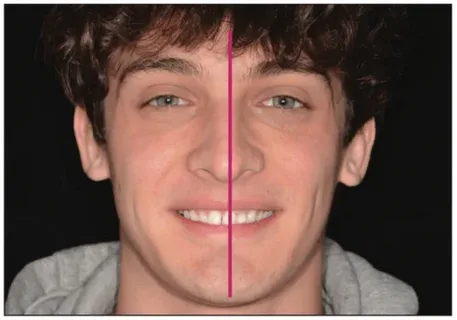

A smile enhancement procedure is designed to improve the appearance, balance, and harmony of your smile using modern dental techniques. Many people seek this treatment to address tooth discoloration, uneven alignment, gaps, worn enamel, or irregular gum lines. Understanding what happens during the process helps reduce anxiety and allows patients to approach treatment with confidence and realistic expectations.
Smile enhancement is a key part of Cosmetic Dentistry, where dental science and aesthetics work together to improve both appearance and function. The goal is not only to create a visually pleasing smile, but also to ensure long-term comfort, oral health, and natural looking results that suit your facial features.

Understanding the Purpose of Smile Enhancement
The purpose of smile enhancement is to create a balanced and natural smile that complements your face. Dentists carefully consider tooth shape, size, color, alignment, and gum proportions when planning treatment. Each smile is unique, so procedures are customized rather than following a one size fits all approach.
In addition to aesthetics, smile enhancement often improves oral function. Proper alignment and structure can make chewing easier, reduce uneven wear, and support better overall dental health. This combination of beauty and function is what makes smile enhancement so effective.
The Initial Consultation Process
The first step in any smile enhancement procedure is a comprehensive consultation. During this visit, the dentist examines your teeth, gums, bite alignment, and jaw movement. Your medical history and oral habits, such as teeth grinding or smoking, are also reviewed to ensure treatment safety.
Photographs, dental impressions, and sometimes digital scans are taken to evaluate your current smile. These records help the dentist plan treatment accurately and may also be used to show you a preview of potential results. This stage helps align expectations between you and your dental professional.
Discussing Goals and Treatment Options
Open communication is essential during the planning phase. You will have the opportunity to discuss your concerns, desired changes, and long term goals for your smile. The dentist explains which treatments are suitable for your needs and what results you can realistically expect.
Treatment options may include teeth whitening, veneers, bonding, orthodontic aligners, or gum reshaping. Each option varies in terms of procedure time, maintenance, and durability. A clear explanation allows you to make informed decisions with confidence.
Diagnostic Imaging and Preparation
Before beginning cosmetic procedures, diagnostic imaging such as X rays or digital scans may be used. These tools help evaluate tooth roots, bone health, and overall oral structure. Ensuring a healthy foundation is essential before making aesthetic improvements.
If any underlying dental issues are present, they are treated first. Professional cleaning is often recommended to remove plaque and tartar, creating an ideal surface for cosmetic treatments and improving final results.
What to Expect During Teeth Whitening
Teeth whitening is one of the most common smile enhancement procedures. In office whitening treatments can noticeably brighten teeth in a single visit. Protective materials are applied to the gums and lips to ensure safety throughout the process.
Some patients experience mild sensitivity after whitening, but this usually subsides quickly. Dentists provide aftercare advice to help manage sensitivity and maintain results. The effectiveness of whitening depends on enamel quality and initial tooth color.
The Veneer Placement Experience
Dental veneers are thin, custom made shells that cover the front surface of teeth. They are used to correct discoloration, uneven shapes, small gaps, or minor alignment issues. The veneer process typically involves two appointments.
During the first visit, a small amount of enamel is reshaped to allow a natural fit. Temporary veneers may be placed while the final ones are crafted. Once bonded, veneers provide an immediate and noticeable improvement in smile appearance.
Understanding Dental Bonding Procedures
Dental bonding is a conservative option used to repair chips, cracks, or small gaps. A tooth colored composite resin is applied directly to the tooth and shaped to blend seamlessly with surrounding teeth. The procedure is usually painless and requires little preparation.
Bonding is often completed in a single visit, making it a convenient solution. While it may not last as long as veneers, proper care can significantly extend its lifespan and maintain its appearance.
Orthodontic Alignment as Part of Smile Enhancement
Orthodontic treatments such as clear aligners are often included in smile enhancement plans. These aligners gradually move teeth into proper alignment while remaining discreet and comfortable. They can be removed for eating and cleaning, adding convenience.
Treatment duration varies depending on the complexity of alignment issues. Regular dental visits ensure progress stays on track and adjustments are made when necessary. Proper alignment enhances both smile aesthetics and bite function.
Gum Contouring and Smile Balance
Gum contouring is used to reshape uneven or excessive gum tissue. This procedure improves the proportion between teeth and gums, creating a more balanced smile. It is commonly performed using advanced dental technology for precision.
Local anesthesia ensures patient comfort during treatment. Healing usually occurs within a few days, and following post procedure instructions helps achieve optimal results with minimal discomfort.
Comfort, Anesthesia, and Pain Management
Most smile enhancement procedures involve minimal discomfort. Local anesthesia is used when necessary to numb the treatment area. For patients with dental anxiety, sedation options may be available depending on the clinic.
Dentists focus on patient comfort through gentle techniques and clear communication. Any post procedure soreness is typically mild and temporary, resolving within a short period.
Procedure Duration and Scheduling Expectations
The length of a smile enhancement procedure depends on the treatments involved. Some procedures, like bonding or whitening, can be completed in one visit. Others, such as veneers or orthodontic alignment, require multiple appointments over time.
Dentists create structured treatment schedules to minimize inconvenience. Clear timelines allow patients to plan around work and personal commitments with ease.
Recovery and Aftercare Guidelines
Recovery after smile enhancement varies depending on the procedure. Most patients can return to normal activities quickly. Dentists provide specific aftercare instructions to support healing and protect results.
Temporary dietary adjustments may be recommended, especially after certain treatments. Maintaining good oral hygiene is essential for preserving the appearance and health of your enhanced smile.
Managing Risks and Follow Up Care
Smile enhancement procedures are generally safe when performed by experienced professionals. Minor side effects such as sensitivity or irritation may occur but are usually temporary. Dentists monitor progress closely to address any concerns early.
Follow up appointments ensure that restorations are functioning properly and that healing is progressing as expected. Patient cooperation plays a key role in long term success.
Long Term Maintenance of an Enhanced Smile
Maintaining your enhanced smile requires consistent dental care. Regular checkups help monitor oral health and the condition of cosmetic restorations. Professional cleanings support long lasting results.
Lifestyle choices, such as avoiding excessive staining foods and protecting teeth from grinding, significantly influence longevity. With proper care, results can last for many years.
Emotional and Psychological Benefits
Smile enhancement often leads to increased self confidence and improved social interactions. Patients feel more comfortable smiling, speaking, and engaging with others. These emotional benefits can positively impact both personal and professional life.
Many people find that the psychological improvements exceed their expectations. Feeling confident in your smile can enhance overall wellbeing and quality of life.
Choosing the Right Dental Professional
Selecting a skilled and experienced dentist is essential for successful smile enhancement. Reviewing credentials, training, and patient feedback helps ensure quality care. A personalized approach reflects a dentist’s commitment to achieving natural results.
Trust and communication between patient and dentist create a positive treatment experience. High quality care balances aesthetics, comfort, and oral health effectively.
Final Thoughts on Smile Enhancement Procedures
Smile enhancement procedures combine advanced dental technology with artistic precision. Understanding each stage of the process empowers patients to make informed decisions. Professional planning ensures realistic expectations and satisfying outcomes.
With proper care and maintenance, an enhanced smile can remain healthy and attractive for many years, providing lasting confidence and comfort.
























Sign in to leave a comment.