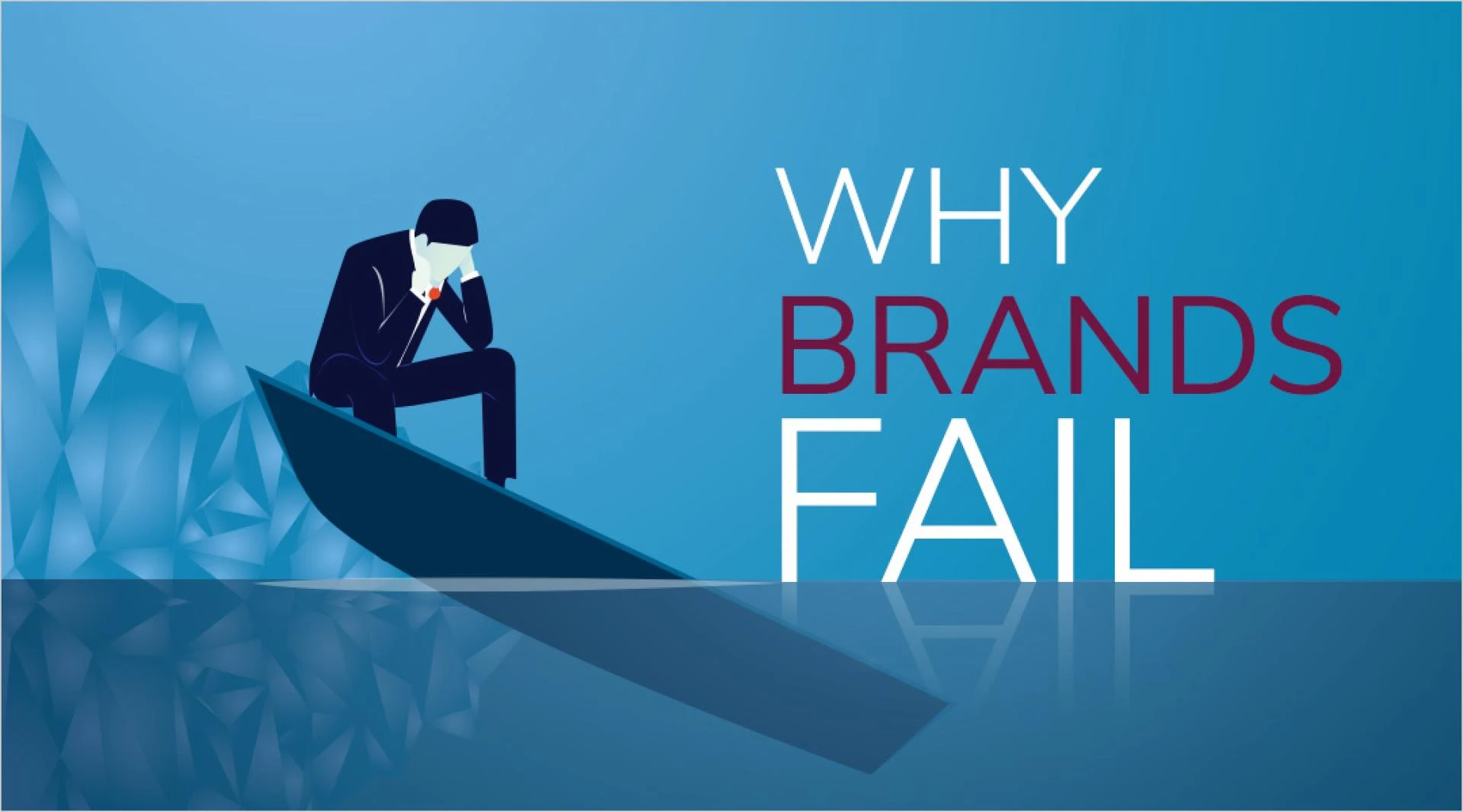

As a Branding Consulting Agency in Pune, we get called in when things aren’t going well. Sales are flat. Customers don’t remember the brand. The website looks fine, but nothing’s converting. And almost every time, the problem isn’t the logo or the campaign. It’s the thinking behind them.
At Evonix, we’ve seen brands fail from the inside. Not because branding doesn’t work, but because it’s misunderstood, underfunded, or treated like a one-time task. That’s the uncomfortable truth. And it’s time someone said it out loud.
Brands Have Never Been More Valuable. So Why Do So Many Still Get It Wrong?
Let’s start with a reality check. The combined value of the world’s top 100 brands hit $8.3 trillion in 2023. In 2024, Apple even overtook Amazon to become the most valuable brand globally. Branding clearly works at scale.
Yet, only 20% of businesses say branding is their top marketing spend. Over 80% of firms believe their CEO understands branding, but budget allocation tells a different story. Many leaders “get it” in theory but hesitate to invest in practice.
This gap is where brands quietly fail. They expect branding to perform miracles without giving it oxygen.
Failure #1: Treating Branding as Decoration
Too many companies still think branding equals visuals. A logo. A color palette. Maybe a tagline.
Here’s the problem. It takes just 50 milliseconds for someone to judge your brand visually. And 90% of the information our brains process is visual. That means sloppy design, inconsistent colors, or unclear messaging does damage fast.
But visuals alone don’t save you either. Hyundai is one of the most misspelled brands in the world. Lamborghini is right behind it. Recognition without clarity is a branding failure, not a win.
At Evonix, we approach branding as a system. Strategy first. Design second. Execution everywhere.
Failure #2: No Clear Differentiation
According to Revenue Marketing Alliance, 76.7% of marketers believe the purpose of branding is differentiation. Yet most brands sound exactly the same.
“We’re customer-centric.”
“We deliver quality.”
“We’re innovative.”
So is everyone else.
If you can’t clearly explain why someone should choose you over another option in under 10 seconds, you’ve already lost. Especially in B2B, where 29% of buyers visit only one page from Google search results before making a decision.
A strong Branding and Marketing Communications company helps you own a position, not a personality type.
Failure #3: Ignoring Authenticity and Values
This one hurts brands the most today.
88% of consumers say authenticity matters when choosing brands. 62% say their purchase decisions are influenced by a brand’s values. Gen Z takes this even further. They’re twice as likely as millennials to believe brands can make the world better, and 76% prefer brands with a clear mission.
Yet many brands still fake purpose. Or worse, avoid it entirely.
B2C consumers are 4 to 6 times more likely to buy from and advocate for purpose-driven brands. If your brand values don’t show up in how you behave, communicate, and treat people, customers will notice. And they’ll leave.
Failure #4: Talking Too Much About Themselves
Self-promotion is a fast way to lose followers. In fact, 45% of people unfollow brands because of it.
Customers want proof, not promises. That’s why 58% of consumers trust user-generated content more than brand-created content. And 62% are more likely to click ads or posts that feature real customer photos.
Still, only 41% of marketers regularly use user-generated content, even though 6 in 10 say it performs better.
At Evonix, we push brands to shut up a little and listen more. Real stories outperform polished slogans every time.
Failure #5: Treating Branding and Marketing as Separate
This is especially common in B2B.
On average, B2B organizations spend just 8.7% of their total budget on marketing. 35% handle marketing entirely in-house. And yet, $48.15 billion is expected to be spent on B2B digital ads globally by 2026.
The issue isn’t spend. It’s alignment.
Branding without marketing is invisible. Marketing without branding is forgettable. When content, social, sales decks, employer branding, and customer experience don’t speak the same language, trust breaks down.
Consistent brand presentation across platforms can increase revenue by up to 20%. That’s not theory. That’s execution.
Failure #6: Forgetting the People Inside the Brand
70% of brand perception is shaped by experiences with people, not ads.
Employees matter more than most brands admit. Companies that invest in employer branding see higher recognition, lower turnover, and up to twice as many job applications. Candidates research brands before applying. 55% abandon applications after reading negative reviews.
And here’s a detail most leadership teams miss. Employees, on average, have 10 times more followers than the company’s social accounts.
If your people don’t believe in the brand, no campaign can save it.
Why Brands That Work Think Long-Term
The brands that win understand three things.
First, branding is not a cost. It’s a growth asset.
Second, trust beats reach. Every time.
Third, consistency builds memory.
77% of consumers prefer buying from brands they follow on social media. 91% want more video content from brands. 64% make purchases after watching branded videos. These aren’t trends. They’re signals.
Final Word from Evonix
As a Branding Consulting Agency in Pune, Evonix doesn’t fix brands with surface-level solutions. We look at what’s broken underneath. Strategy gaps. Messaging confusion. Experience disconnects.
Most brands don’t fail loudly. They fade quietly.
And the difference between fading and scaling usually comes down to one decision. Taking branding seriously, before the market forces you to.


























Sign in to leave a comment.