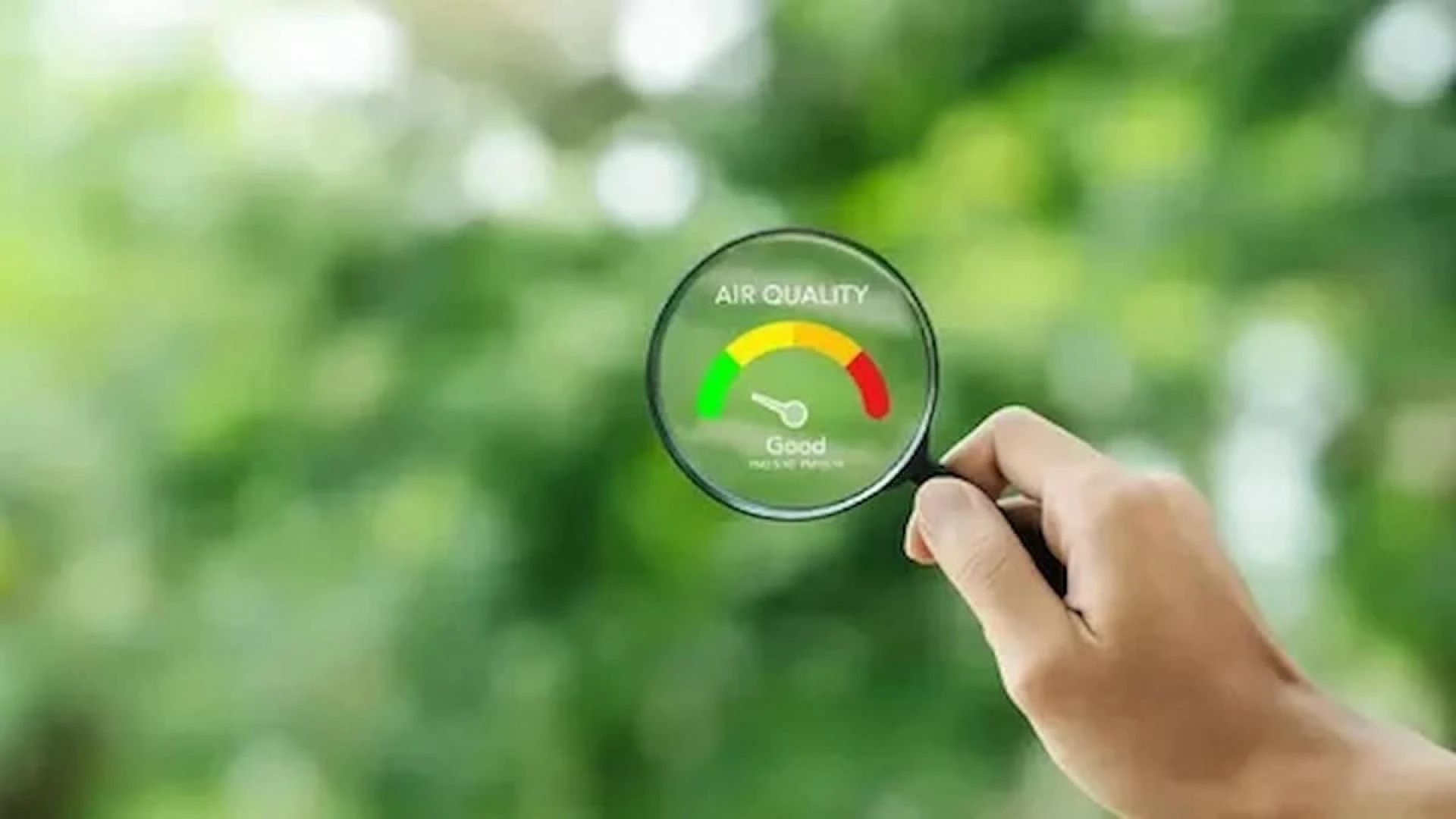
It is not only smog-choked skylines or countryside breezes that air quality needs to be improved. We stay and breathe 90% of our lives indoors, that’s why air quality indoor is essential. That’s where Breeam Security Needs Assessment Hea06 steps in, not with a gas mask, but with guidance, targets, and a bit of British sensibility. For those navigating the minefield of sustainable design, Hea06 is the unsung hero in your building’s quest for breathable brilliance. So, let’s open the metaphorical window and let some fresh knowledge in.
The Impact of BREEAM Hea06 on Indoor Air Quality :
BREEAM Hea06 (Building Research Establishment Environmental Assessment Method) isn’t just a mouthful—it’s the UK’s leading method of assessing the sustainability of buildings. Hea06, part of its Health and Wellbeing category, focuses squarely on improving indoor air quality. Think of it as a polite but firm building inspector who’s obsessed with fresh air.
Hea06 requires developers to identify and minimise potential pollutants, from materials that off-gas (we’re looking at you, cheap carpets and dodgy adhesives) to the location of air intakes (ideally not next to a car park). It’s about designing with lungs in mind—not just walls and floors.
Projects earn BREEAM Hea06 credits by committing to best practice, starting in the early design stages and continuing post-construction. If done properly, Hea06 turns your building into a breath of fresh air—literally.
Why Indoor Air Quality Matters in Building Design:
Poor air quality indoors isn’t just unpleasant—it’s dangerous. From exacerbating asthma to affecting productivity, the air inside your building could be working against you.
And in Britain, where we’re not always blessed with sunshine and are fond of keeping the windows shut, indoor air quality becomes even more crucial. A building that ticks the Hea06 box is essentially telling its occupants: “Don’t worry, you can breathe easy here.”
In office settings, better air means sharper minds. In homes, it means healthier families. And in schools, it means children learning without sniffling. That’s why Hea06 doesn’t just look nice on a certificate—it has real-world benefits.
Design and Planning for Better Air Quality
Hea06 isn’t just about chucking in a few houseplants and calling it a day. It requires considered planning and a clear indoor air quality plan at the early RIBA stages.
Designers must:
- Assess potential sources of indoor pollution,
- Choose low-emission materials (with the appropriate ISO or European certification),
- Plan ventilation systems with filtered fresh air—not recycled fug from yesterday’s sandwich lunch.
One clever trick Hea06 encourages is the use of entrance lobbies or “draught lobbies” to reduce the ingress of outdoor pollutants. Another is ensuring that finishes—like paints, sealants, and flooring—don’t leave the building smelling like a new car showroom for six months (because that “new” smell is often volatile organic compounds—nasty stuff).
Post-Construction Testing and Verification
Unlike some building standards that pack up after the ribbon-cutting ceremony, Hea06 insists on sticking around. It requires post-construction indoor air quality testing for projects claiming maximum credits.
Independent testing firms must measure pollutants like formaldehyde and total volatile organic compounds (TVOCs) within a set timeframe after project completion. If the results don’t meet the target thresholds, it’s back to the drawing board—or at least the filtration unit.
It’s a no-nonsense approach that holds developers accountable beyond just “best intentions.” No fresh air, no full credit.
Compare Hea06 with Other Air Quality Standards
Hea06 isn’t the only name in the clean air game, but it’s certainly a crowd favourite in the UK.
Compared to standards like WELL (which focuses on occupant wellbeing) or LEED (the American cousin of BREEAM), Hea06 takes a more practical, construction-stage-led approach. WELL dives deeper into operational habits and behaviour (like policies on smoking and cleaning products), while BREEAM Hea06 focuses more on design and material choices, verified with actual testing.
If we’re talking about robust regulation with the right amount of British pragmatism, Hea06 is your go-to. And it dovetails nicely with other BREEAM credits—like the BREEAM Security Needs Assessment, which addresses building safety, another often overlooked pillar of a healthy indoor environment. After all, a building can’t be truly “wellbeing-friendly” if it’s insecure or poorly ventilated.
Conclusion
In modern world we do not only talk about aesthetics and flashy tech, BREEAM Hea06 brings us back to basics—good, clean, breathable air. Breath in breath out, the BREEAM Hea06 reminds designers, developers, and building owners that what’s invisible can still be vital. From selecting low-emission materials to rigorous post-construction testing, Hea06 offers a structured path to healthier buildings and happier occupants.























Sign in to leave a comment.