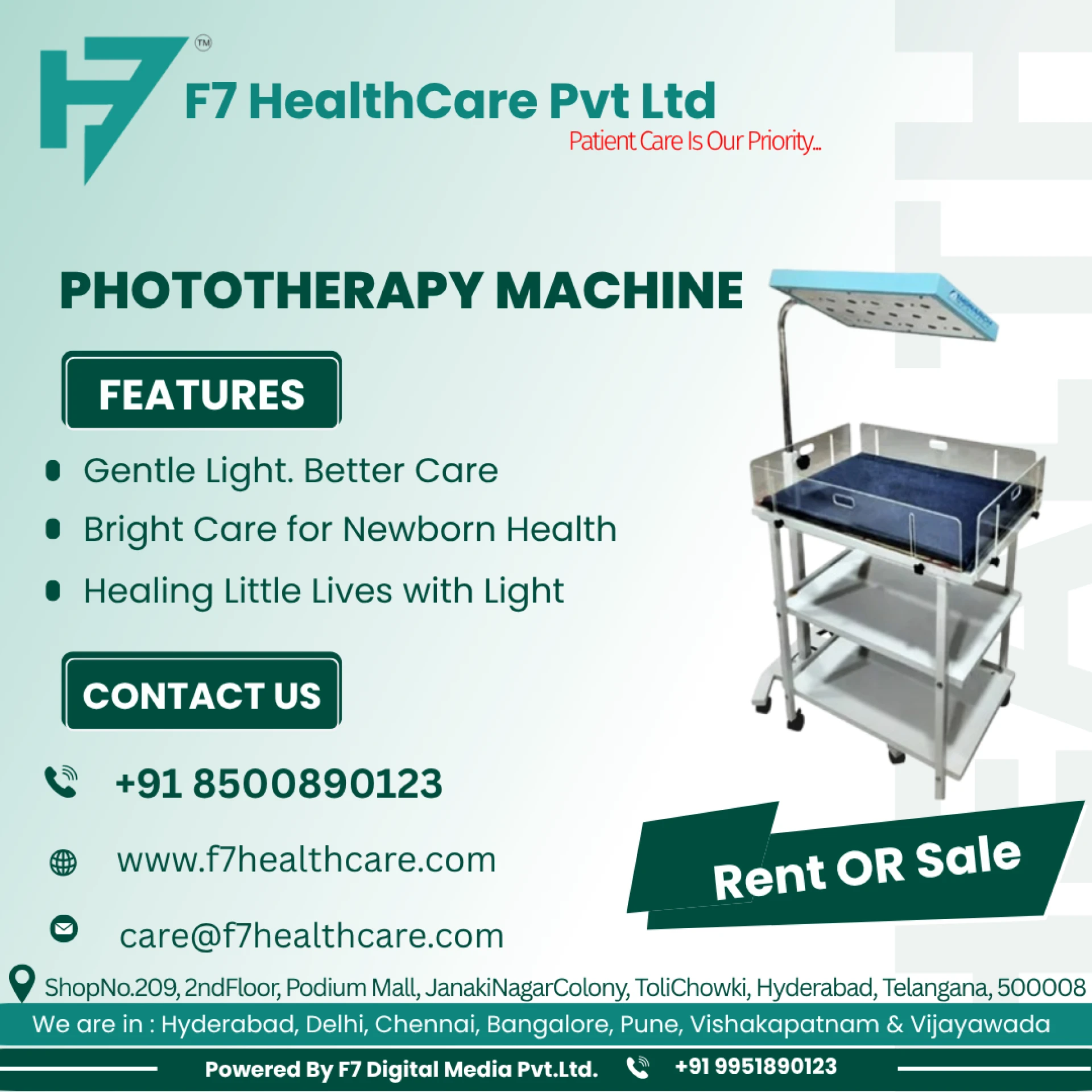

In today’s medical world, the treatment of neonatal jaundice and certain skin conditions has advanced significantly, thanks to innovations like phototherapy machines. These devices, while often overlooked, play a crucial role in hospitals, clinics, and even home care setups. In this article, we explore what phototherapy machines are, how they work, who needs them, and what features to consider when renting or purchasing one.
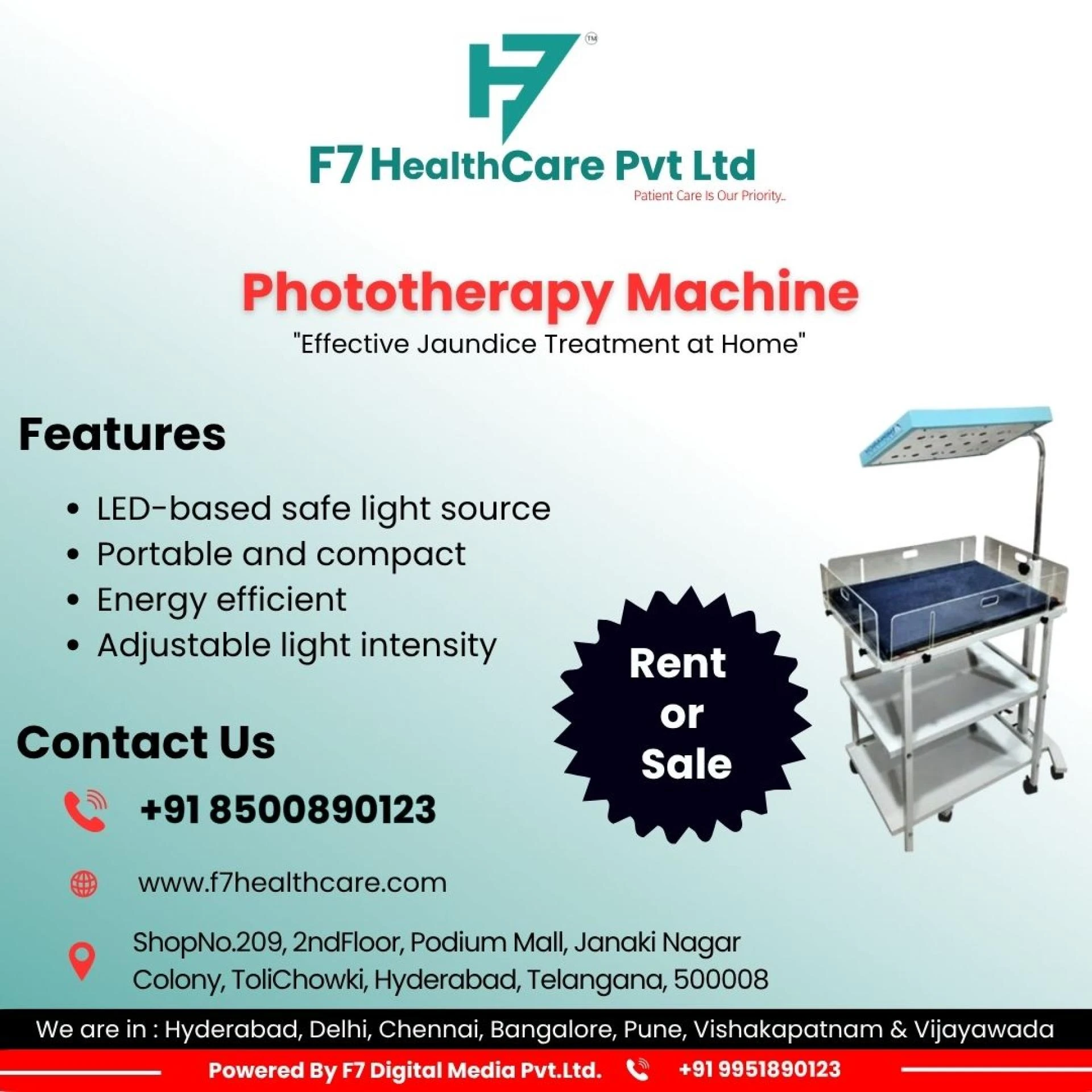
What Is a Phototherapy Machine?
A phototherapy machine is a medical device used to treat conditions through exposure to specific wavelengths of light. The most common use of phototherapy is in newborn care, specifically for treating neonatal jaundice. Jaundice in infants occurs when there’s too much bilirubin in the blood, causing yellowing of the skin and eyes. Phototherapy helps break down this excess bilirubin, allowing the infant’s body to eliminate it.
Besides neonatal use, phototherapy is also used to treat skin conditions such as psoriasis, vitiligo, and eczema. These machines emit ultraviolet (UV) or blue spectrum light, targeting affected skin areas for controlled light exposure therapy.
Why Is Phototherapy Essential?
The necessity of phototherapy, especially in neonatal care, cannot be overstated. In many cases, phototherapy can prevent serious complications such as kernicterus, a type of brain damage that can result from very high levels of bilirubin. Quick and effective treatment with light therapy can often avoid the need for more invasive procedures like blood transfusions.
In dermatological applications, phototherapy provides a non-invasive, drug-free option to manage chronic skin conditions. For patients who cannot tolerate certain medications or for whom topical treatments are ineffective, phototherapy offers a safe and proven alternative.
How Phototherapy Works
Phototherapy machines use light—primarily in the blue light spectrum (between 420 to 470 nanometers)—to penetrate the skin and transform bilirubin into forms that can be eliminated through the liver and kidneys. The exposure is carefully timed and monitored to ensure it’s both effective and safe.
In dermatological treatments, the machine delivers narrowband UVB light to specific skin areas. This light helps to reduce inflammation, slow down excessive skin cell growth, and relieve symptoms in conditions like psoriasis.
Types of Phototherapy Machines
Several types of phototherapy machines are available, depending on the patient’s condition and treatment needs:
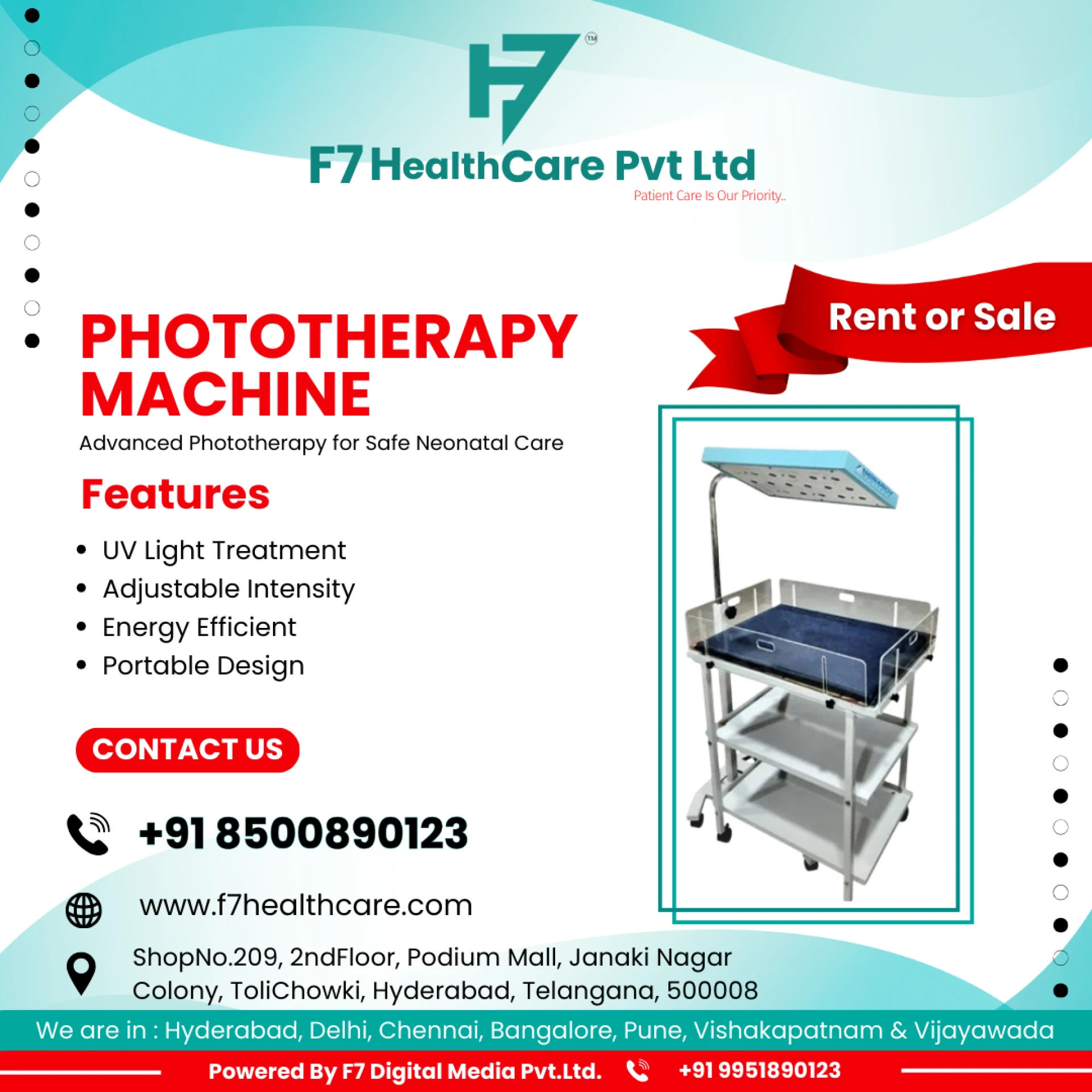
- Overhead Phototherapy Units: These are the most common for neonatal care. Positioned above the baby’s crib, they provide uniform light exposure.
- Bili Blankets (Fiber-optic Units): These wrap around the baby’s body and deliver light via fiber optics, allowing more mobility and comfort.
- LED-Based Units: Modern units use energy-efficient LED bulbs instead of fluorescent lights. They produce less heat and have longer life spans.
- UVB Narrowband Machines: Primarily used in dermatology, these target skin conditions with high precision.
- Full-Body Chambers: Used in hospitals or dermatology clinics, these are large units where patients stand or lie down for light exposure.
- Portable Phototherapy Units: Ideal for home use, these devices are compact and safe, offering convenience for ongoing care outside the hospital.
Key Features to Consider
When looking to rent or buy a phototherapy machine, several important factors come into play:
- Type of Light Source: LED machines are now considered the gold standard due to their efficiency, safety, and effectiveness.
- Adjustability: The ability to adjust light intensity and angle can enhance treatment precision.
- Cooling Systems: Machines with proper ventilation prevent overheating and ensure patient comfort.
- Portability: Especially for home care, lighter and compact designs make daily use easier.
- Timer and Alarms: These features ensure that treatment sessions are accurate and safe.
- Maintenance and Hygiene: Look for units that are easy to clean and require minimal maintenance.
Who Needs Phototherapy Machines?
The most common patients are:
- Newborns with jaundice: Most hospitals routinely use phototherapy for babies who show signs of high bilirubin.
- Patients with chronic skin conditions: Adults and children with psoriasis, eczema, or vitiligo benefit greatly from light therapy.
- Homecare patients: For those discharged early from hospitals, at-home phototherapy allows continuous care under a doctor’s supervision.
Renting vs Buying a Phototherapy Machine
For many families and small clinics, deciding whether to rent or buy a phototherapy machine depends on the frequency and duration of use.
Advantages of Renting:
- Cost-effective for short-term treatment
- Maintenance often covered by the rental provider
- No long-term commitment
Advantages of Buying:
- Ideal for long-term or repeated use
- More control over machine features
- Customization to specific patient needs
Rental services often come with delivery, installation, and technician support, making them an ideal choice for temporary needs like neonatal jaundice treatment at home.
Safety Precautions and Best Practices
Using phototherapy machines safely involves:
- Ensuring the baby’s eyes are covered to prevent retinal damage
- Monitoring temperature to prevent overheating
- Regularly checking light intensity levels
- Limiting exposure to avoid skin burns in dermatological use
- Following strict medical supervision and guidelines
For home use, it's essential that caregivers receive proper training or guidance on operating the machine safely and monitoring the patient’s response to treatment.
Access to Phototherapy Machines Across India
Thanks to improved home healthcare services, families and clinics across various cities—Hyderabad, Bengaluru, Chennai, Mumbai, Delhi, and others—can now access quality phototherapy machines through medical equipment rental services. The availability of home delivery, 24/7 customer support, and certified machines ensures that high-quality care isn’t limited to hospitals alone.























Sign in to leave a comment.