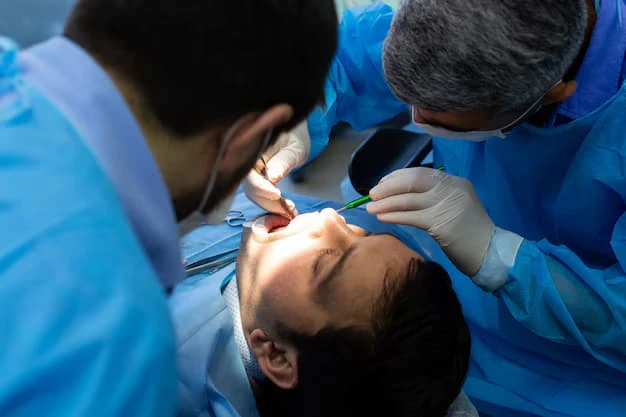
Dental problems can strike without warning, and they often happen at the worst possible time. A sudden toothache, a lost filling, a chipped tooth, or a cracked crown can cause immediate pain and disrupt your day. Knowing how to respond during a dental emergency in Stockport is essential to protect your teeth and prevent complications. Acting quickly and calmly can reduce discomfort, limit damage, and improve treatment outcomes.
This guide provides practical steps and safe temporary measures for urgent dental situations. It also offers tips on how to manage these issues effectively until professional care is available.
Spotting the hidden signs of urgent dental problems
Not every dental issue requires immediate attention, but some warning signs should never be ignored. Recognising a dental emergency in Stockport early can reduce pain and prevent further damage.
- Persistent pain: A throbbing toothache that lasts more than a few hours.
- Sensitivity that worsens: Pain when eating or drinking hot or cold foods.
- Chips or cracks: Damage from an accident or hard food.
- Swelling or redness: Gums, cheeks, or jaw swelling that seems unusual.
- Difficulty opening the mouth: Jaw stiffness or pain when biting.
Even small signs can point to a bigger problem. Acting quickly helps prevent minor issues from becoming serious complications.
Simple home measures that help temporarily
While waiting for professional care, a few simple steps can help manage discomfort and protect the affected tooth. Placing a cold compress on the cheek can reduce swelling and numb the area, offering short-term relief.
Gently rinsing with warm salt water helps keep the mouth clean and may calm irritation. If a filling or crown becomes loose, covering the area with sugar-free gum or dental wax can shield it from further damage.
Stick to soft foods and avoid chewing on the painful side. Paracetamol or ibuprofen may ease pain, but avoid aspirin. These steps provide temporary support until dental care is received.
Quick ways to find care in Stockport
When facing a dental emergency in Stockport, speed matters. Not every clinic can see patients immediately, so knowing where to go helps.
- Call ahead: Explain the problem clearly to the dental clinic.
- Describe symptoms: Mention if it involves a broken tooth, lost filling, swelling, or severe pain.
- Ask for emergency slots: Many clinics reserve same-day appointments for urgent cases.
- Check opening hours: Some clinics offer evening or weekend appointments for emergencies.
Prompt communication ensures your issue is prioritised and reduces waiting time.
Handling knocked-out or chipped teeth correctly
Some emergencies need careful handling to increase the chance of saving the tooth.
- Knocked-out teeth: Rinse gently with water, avoid scrubbing, and keep it moist in milk or saliva. Transport to the dentist immediately.
- Chipped teeth: Keep any broken pieces. Cover sharp edges with dental wax to prevent cuts.
- Cracked teeth: Avoid chewing on the affected side. See a dentist as soon as possible.
Proper initial care can significantly improve treatment outcomes and prevent further damage.
Understanding the hidden dangers of untreated dental issues
Ignoring a dental emergency in Stockport can lead to more than short-term discomfort. Untreated infections may spread to nearby teeth, gums, or even the jaw, increasing the risk of serious health concerns.
Damage to the tooth structure, roots, or surrounding bone can worsen over time, making repair more difficult. Ongoing pain can interfere with eating, speaking, and daily activities. Many people also struggle to sleep due to persistent throbbing or sensitivity.
Delaying care often results in more complex and lengthy treatment later. Seeking prompt dental attention helps limit these risks and supports a smoother, faster recovery.
Preparing for future dental emergencies
Even with careful oral care, accidents happen. Preparing in advance can make emergencies easier to handle.
- Emergency contacts: Keep a list of local clinics offering urgent care.
- Dental kit: Include gauze, temporary dental cement, dental wax, and pain relief.
- Learn basic steps: Understand how to handle knocked-out teeth, lost fillings, or sudden pain.
- Regular check-ups: Routine visits identify weak spots before problems arise.
Preparation gives confidence and helps act calmly during urgent situations.
Practical tips for pain relief at home
When dealing with a dental emergency in Stockport, managing pain at home can make the situation more bearable until you reach a dentist. Applying a cold pack to the outside of your cheek can help reduce swelling and provide mild numbness.
Rinsing gently with warm salt water keeps the mouth clean and may calm irritation. Over-the-counter pain relief, such as paracetamol or ibuprofen, can ease discomfort if taken as directed. Avoid hot, cold, or sticky foods, as they may worsen sensitivity or loosen restorations.
Gentle brushing also helps prevent infection. These steps offer temporary comfort but do not replace professional care.
When to seek immediate professional help
Certain situations demand urgent attention:
- Severe pain that persists despite pain relief
- Uncontrolled bleeding from gums or tooth injury
- Swelling in the face, jaw, or neck
- Fever or signs of spreading infection
- A tooth knocked out or severely damaged
If any of these occur, do not wait. A dental emergency in Stockport should be addressed promptly to prevent serious complications.
Understanding what happens at the clinic
When you reach a dentist for a dental emergency in Stockport, the process is usually straightforward:
- Assessment: The dentist examines the issue and may take X-rays.
- Temporary measures: Pain relief, stabilisation of broken teeth, or protective coverings.
- Treatment plan: Options for restoring the tooth or addressing infection.
- Follow-up care: Instructions for recovery and appointments for permanent solutions.
Knowing what to expect can reduce anxiety and help you cooperate during treatment.
Final thoughts
A dental emergency in Stockport can feel overwhelming, but the right response can greatly reduce the impact. Recognising warning signs early, using simple home remedies, and arranging prompt dental care can prevent further damage and ease pain.
Keeping contact details for local emergency services and basic dental supplies at home allows you to act without delay. Staying calm and taking sensible steps helps stop the problem from getting worse.
Quick, informed action not only protects your teeth but also supports long-term oral health and lowers the chance of more serious complications.


























Sign in to leave a comment.